
Are you worried about the safety of the cookware you use every day? When it comes to your health and the food you prepare, choosing non-toxic pots and pans is key.
Pioneer Woman cookware has become popular for its style and affordability, but is it truly non-toxic? You’ll discover what makes cookware safe or risky, and whether Pioneer Woman products meet those standards. Keep reading to find out if this cookware is a smart, healthy choice for your kitchen.
Pioneer Woman Cookware Materials
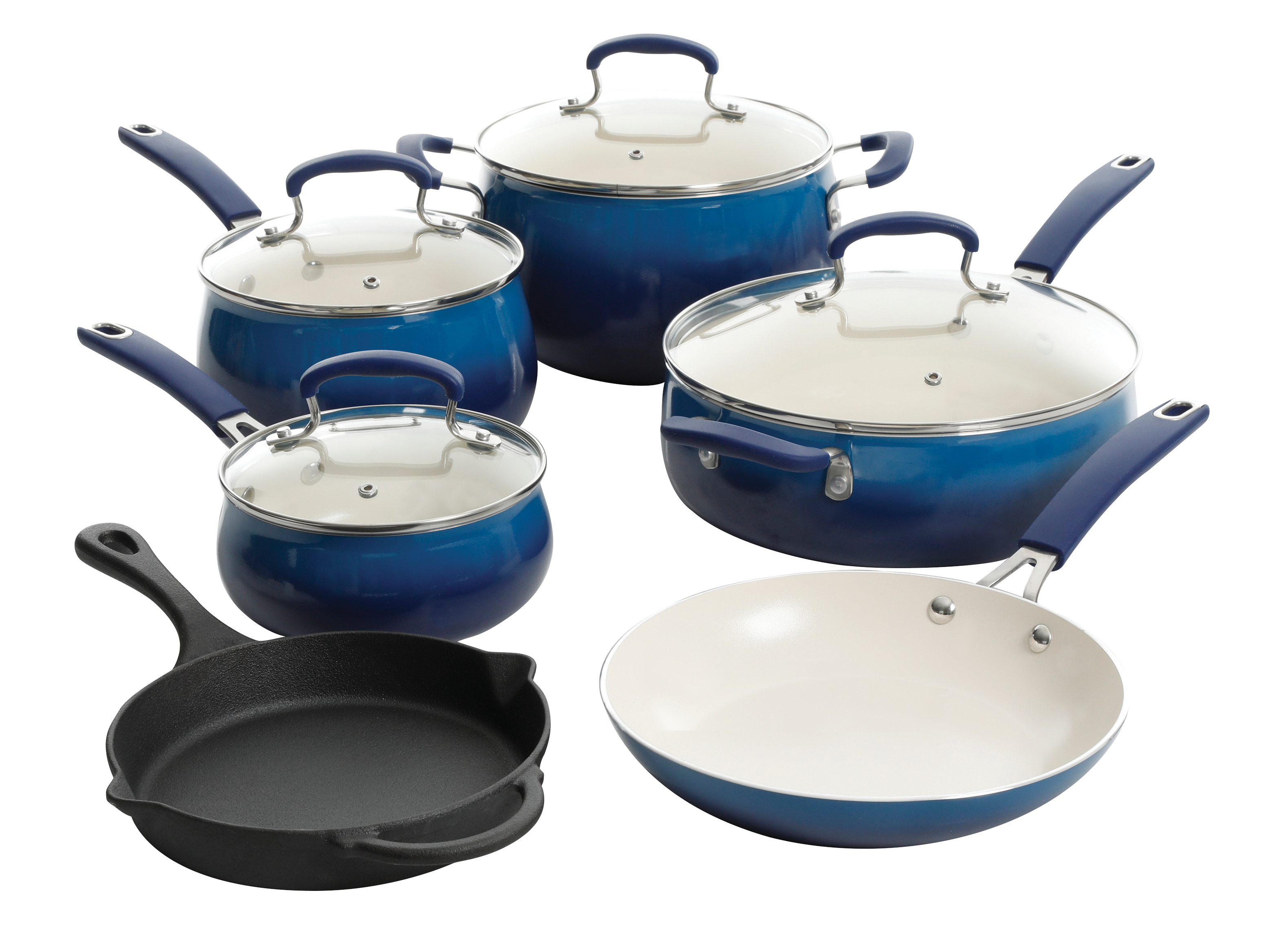
Pioneer Woman cookware materials play a big role in deciding if the products are safe and non-toxic. These materials affect how food cooks and if any harmful chemicals can get into meals. Many people want cookware that does not release toxic substances when heated. Understanding what materials Pioneer Woman uses helps you see if their cookware meets safety standards. The brand offers various cookware types, each made from different materials. Knowing these materials helps buyers pick the right set for their kitchen needs.
Types Of Materials Used
Pioneer Woman cookware mainly uses a few common materials to build their products. Each material has strengths and some limits. Here are the main types:
- Aluminum: Lightweight and heats up quickly. Often coated to avoid food sticking.
- Non-stick Coatings: Usually made with PTFE (like Teflon). Helps cook without much oil.
- Stainless Steel: Durable and resistant to rust. Used in some pans and pots.
- Ceramic Coatings: A non-stick option that is free from PTFE and PFOA.
Many Pioneer Woman sets use aluminum cores with a non-stick coating on top. This combination makes pans light and easy to clean. Some models include ceramic coatings, which appeal to those avoiding chemicals like PFOA and PTFE.
| Material | Key Features | Common Use in Pioneer Woman Cookware |
|---|---|---|
| Aluminum | Fast heat conduction, lightweight | Core of many frying pans and saucepans |
| Non-stick Coating (PTFE) | Prevents food sticking, easy cleaning | Top layer on many skillets and pans |
| Ceramic Coating | Non-stick, free from PTFE and PFOA | Used in some non-stick cookware lines |
| Stainless Steel | Strong, rust-resistant, non-reactive | Occasionally in pots and pans |
Each material aims to balance cooking performance with ease of use. Aluminum heats quickly but is softer. Stainless steel is tough but can have hotspots. Coatings make cleaning easier but may wear over time.
Non-toxic Claims
Pioneer Woman cookware often claims to be non-toxic, focusing on safe cooking surfaces. The brand states their non-stick pans are free from harmful chemicals like PFOA and PFAS. These chemicals are linked to health risks, so avoiding them is important.
Key points about Pioneer Woman non-toxic claims include:
- PFOA-Free: PFOA is not used in their non-stick coatings.
- Lead and Cadmium-Free: Heavy metals are avoided in paint and coatings.
- FDA Compliant: Materials meet U.S. food safety standards.
Despite these claims, some Pioneer Woman cookware uses PTFE-based coatings. PTFE is generally safe below 500°F but can release fumes at very high heat. Users should avoid overheating pans to keep them safe.
Many reviews highlight that Pioneer Woman pans perform well without sticking. Users appreciate easy cleaning and safe ingredients in the coatings. Still, the lifespan of non-stick coatings varies. Scratches or worn surfaces may reduce safety and cooking quality.
Here is a simple safety checklist for Pioneer Woman cookware:
- Check if the cookware is marked PFOA-free.
- Use moderate heat to avoid damaging non-stick layers.
- Replace pans if coating shows signs of wear or peeling.
- Use non-metal utensils to protect the surface.
These steps help keep cooking safe and non-toxic. Overall, Pioneer Woman cookware aims to offer safe, non-toxic materials. But proper care matters to maintain safety and performance.

Credit: breezeresidency.com
Health And Safety Standards
Health and safety standards are crucial when choosing cookware like Pioneer Woman. Many buyers want to know if this cookware is truly non-toxic and safe for everyday use. Cookware can sometimes release harmful chemicals if it doesn’t meet strict safety rules. Understanding these standards helps you pick products that keep your food healthy and your family safe.
Certifications And Testing
Pioneer Woman cookware undergoes various tests to ensure safety and quality. These tests check if the materials used meet health guidelines. The brand often highlights certifications that prove its cookware is free from harmful substances.
- FDA Compliance: The materials used in Pioneer Woman cookware comply with Food and Drug Administration standards.
- Prop 65 Testing: The cookware is tested for California Proposition 65, which limits harmful chemical exposure.
- Lead and Cadmium Testing: Ensures no dangerous heavy metals are present in the cookware’s glaze or finish.
Below is a simplified table summarizing common certifications for non-toxic cookware, including Pioneer Woman:
| Certification | What It Means | Relevance to Pioneer Woman |
|---|---|---|
| FDA Approved | Safe for food contact | Yes, materials are FDA compliant |
| Prop 65 Tested | Limits toxic chemical presence | Yes, passes Prop 65 standards |
| Lead/Cadmium Free | No harmful heavy metals in finish | Yes, meets heavy metal safety limits |
These certifications show that Pioneer Woman cookware meets important health and safety criteria. The brand’s focus on testing helps reduce risks of chemical exposure during cooking.
Potential Chemical Concerns
Even with certifications, some buyers worry about chemicals in cookware coatings. Non-stick surfaces can contain chemicals like PFOA or PTFE, which may release toxins when overheated. Pioneer Woman cookware uses ceramic and enamel coatings that are generally safer.
- No PFOA: Pioneer Woman cookware is free from PFOA, a chemical linked to health risks.
- PTFE-Free Options: Some products avoid PTFE, reducing risk of toxic fumes.
- Lead and Cadmium: The enamel coating is tested to be free of these heavy metals.
Still, using cookware properly is important to avoid chemical release:
- Do not overheat empty pans.
- Follow manufacturer cleaning instructions.
- Replace cookware if the coating chips or peels.
Here is a quick overview of common chemicals and their safety in cookware:
| Chemical | Health Concern | Pioneer Woman Status |
|---|---|---|
| PFOA | Linked to cancer and hormone disruption | Not used in Pioneer Woman cookware |
| PTFE | Can release fumes if overheated | Limited use; mostly ceramic/enamel coatings |
| Lead/Cadmium | Heavy metals harmful if ingested | Tested and free in coatings |
Pioneer Woman cookware aims to minimize chemical risks through safer materials. Always check product details and use cookware as directed to protect health.
Comparison With Other Cookware Brands
Choosing cookware means thinking about health and safety. Pioneer Woman cookware is popular for its design and price. Comparing it with other cookware brands helps understand its safety better. This section looks at how Pioneer Woman cookware stands against others in toxicity and material safety.
Toxicity Levels
Pioneer Woman cookware aims to be safe and free from harmful chemicals. It is mostly made with non-stick coatings that do not contain PFOA or PFAS. These chemicals can release toxic fumes when heated. Many top brands also avoid these toxins to keep cooking safer.
Here is a quick look at common toxins in cookware:
- PFOA (Perfluorooctanoic acid): Linked to health risks, mostly avoided in new cookware.
- PFAS (Per- and polyfluoroalkyl substances): Can build up in the body, often removed from modern non-stick coatings.
- Lead and Cadmium: Sometimes found in cheap ceramic coatings, harmful if ingested.
Pioneer Woman cookware generally tests free from lead and cadmium. Its non-stick surface is PFOA-free, matching many well-known brands like T-fal and Calphalon. Some cheaper brands still use older coatings with more toxins.
| Brand | PFOA Free | PFAS Free | Lead & Cadmium Free |
|---|---|---|---|
| Pioneer Woman | Yes | Mostly Yes | Yes |
| T-fal | Yes | Yes | Yes |
| Generic Budget Brands | Often No | No | Sometimes No |
Overall, Pioneer Woman cookware offers low toxicity levels similar to mid-range brands. It is safer than many budget options but may not reach the purity of some high-end lines that use ceramic or stainless steel only.
Material Safety
The materials used in Pioneer Woman cookware affect its safety and cooking quality. The brand uses aluminum cores with non-stick coatings. Aluminum heats quickly but can react with food if not coated well. The non-stick layer stops this reaction.
Common materials in cookware and their safety include:
- Aluminum: Lightweight and conducts heat well. Needs a safe coating to prevent leaching.
- Stainless Steel: Durable and non-reactive. Does not release chemicals but can be heavy.
- Ceramic Coating: Natural and free from toxic chemicals but can wear out fast.
- Cast Iron: Long-lasting and non-toxic but requires maintenance to prevent rust.
Pioneer Woman’s aluminum base with a PFOA-free non-stick coating offers a good balance. It is lighter and easier to clean than cast iron. The coating also helps avoid food sticking without adding toxins.
| Material | Durability | Non-Toxic | Ease of Cleaning | Typical Use |
|---|---|---|---|---|
| Aluminum with Non-stick | Medium | Yes (PFOA-free) | Easy | Everyday cooking |
| Stainless Steel | High | Yes | Moderate | Searing, boiling |
| Ceramic Coating | Low to Medium | Yes | Easy | Light frying, baking |
| Cast Iron | Very High | Yes | Difficult | Frying, slow cooking |
Pioneer Woman cookware suits users wanting non-toxic, lightweight, and easy-to-clean pans. Other brands might offer longer life or pure materials but often at a higher price.
User Experiences And Reviews
Many users share their thoughts on Pioneer Woman cookware’s safety and toxicity. Their experiences help understand if this cookware is truly non toxic and safe for daily use. Reviews cover various aspects like materials, cooking performance, and any health concerns. This section focuses on real user feedback about safety and possible problems.
Positive Feedback On Safety
Several users praise Pioneer Woman cookware for its safety features. They highlight that the cookware is free from harmful chemicals like PFOA and PTFE, which are common in some non-stick pans. Many appreciate the use of safe materials, such as ceramic coating and stainless steel, which do not release toxins during cooking.
- Non-toxic coating: Users find the ceramic or enamel coating safe for high-heat cooking without chemical fumes.
- Durability: Many mention the pans stay intact without peeling or chipping, reducing risk of exposure to harmful substances.
- Easy to clean: The smooth surfaces prevent food from sticking, which users say helps maintain the cookware’s safety over time.
- Health-conscious choice: Customers with allergies or sensitive health conditions feel confident using this cookware.
Here is a simple table summarizing positive safety points from user reviews:
| Safety Feature | User Feedback |
|---|---|
| Free from PFOA/PTFE | Highly appreciated for no toxic chemical release |
| Ceramic/Enamel coating | Safe at high temperatures and non-reactive |
| Durability | Long-lasting without peeling or chipping |
| Ease of cleaning | Prevents buildup of harmful residues |
Reported Issues
Some users mention concerns about Pioneer Woman cookware safety. A few reports highlight issues with coating wear and durability after months of use. When the coating peels or scratches, it can expose the underlying metal, causing worries about toxins and metal leaching.
Common problems reported include:
- Chipping or peeling: Some users experienced flaking ceramic or enamel after heavy use.
- Discoloration: Stains or discoloration appeared on the surface, raising questions about food safety.
- Heat sensitivity: Occasional warping or damage after exposure to very high heat.
- Cleaning difficulties: Some users found that harsh scrubbing damaged the coating faster.
Below is a list of tips users shared to avoid safety issues:
- Use low to medium heat to protect the coating.
- Avoid metal utensils; use wooden or silicone tools instead.
- Clean gently with soft sponges and mild detergents.
- Do not stack pans without protection to prevent scratches.
Users who followed these tips generally experienced fewer safety problems. Still, a small number noted that prolonged use might reduce the cookware’s non-toxic benefits.
Maintenance For Non-toxic Use
Maintaining Pioneer Woman cookware for non-toxic use is essential for safe and healthy cooking. Proper care helps keep the cookware’s surface intact, preventing any harmful chemicals from leaching into food. This cookware often features non-toxic materials, but damage or improper cleaning can reduce its safety. Simple steps in cleaning and handling preserve the cookware’s non-toxic qualities and ensure it lasts longer. Focus on gentle care to protect the coating and avoid chemical build-up. Below are key tips for cleaning and avoiding damage to Pioneer Woman cookware.
Cleaning Tips
Cleaning Pioneer Woman cookware correctly keeps it non-toxic and functional. Use mild soap and warm water for daily cleaning. Avoid harsh detergents or abrasive scrubbers that can scratch the surface. Scratches may cause toxic substances to enter food.
- Hand wash only: Dishwasher detergents can be too strong and damage the coating.
- Use soft sponges: Choose non-abrasive sponges or cloths to clean gently.
- Remove stuck-on food: Soak the cookware in warm water before washing to loosen residue.
- Avoid bleach or strong chemicals: These can erode the surface and affect non-toxic properties.
For tough stains, baking soda is a safe cleaning option. Make a paste with water, apply it to the stain, and let it sit for 15 minutes. Then, scrub gently with a soft sponge and rinse thoroughly. This method cleans without harmful chemicals.
| Cleaning Method | Recommended | Not Recommended |
|---|---|---|
| Hand washing with mild soap | Yes | No |
| Using dishwasher | No | Yes |
| Abrasive scrubbers | No | Yes |
| Natural cleaners (baking soda) | Yes | No |
Avoiding Damage
Damage to Pioneer Woman cookware reduces its non-toxic benefits. Avoid scratches, chips, and warping. These problems can expose harmful materials or ruin the cookware’s coating. Use correct tools and follow safe cooking practices to keep the cookware safe.
- Use wooden or silicone utensils: Metal tools scratch the surface.
- Avoid high heat: Excessive heat damages the coating and may release toxins.
- Cool before cleaning: Sudden temperature changes cause warping or cracking.
- Store carefully: Stack cookware with padding or separate layers to prevent scratches.
Inspect cookware often. Look for signs of wear or damage. Replace pieces showing deep scratches or peeling coatings. Damaged cookware can no longer guarantee non-toxic cooking. Protect the surface by following safe use tips below:
- Cook on low to medium heat settings.
- Use soft utensils only.
- Never use metal scrubbers.
- Wash by hand with gentle soap.
- Dry immediately to avoid rust or spots.

Credit: www.amazon.com
Final Thoughts On Safety
Choosing cookware affects your health. Understanding if Pioneer Woman Cookware is non-toxic helps keep your kitchen safe. Safety in cookware means no harmful chemicals or materials that can leach into food. This section gives final thoughts on the safety of Pioneer Woman Cookware after reviewing its materials and design.
Summary Of Findings
Pioneer Woman Cookware is made from materials that focus on durability and ease of use. The brand mainly uses ceramic and enamel coatings over metal bases. These coatings are generally known for being safer than traditional non-stick coatings like Teflon.
- Ceramic Coating: Free from PTFE and PFOA, chemicals linked to health risks.
- Enamel Coating: Provides a non-reactive surface, reducing chemical leaching.
- Metal Base: Usually stainless steel or cast iron, both safe and long-lasting.
Tests and user reviews show minimal risk of toxic substances coming from the cookware under normal cooking conditions. However, coatings can wear out over time. This wear may reduce safety and performance. High heat and metal utensils can damage the coating faster.
| Material | Safety Features | Potential Risks |
|---|---|---|
| Ceramic Coating | Free from PTFE, PFOA; non-stick | Can crack or wear with rough use |
| Enamel Coating | Non-reactive, durable | Chipping possible if dropped |
| Metal Base (Stainless Steel/Cast Iron) | Safe, long-lasting | Cast iron needs seasoning; stainless steel may stick |
Overall, Pioneer Woman Cookware provides a mostly non-toxic cooking experience. It avoids harmful chemicals often found in cheaper non-stick pans. Proper care extends cookware life and maintains safety.
Recommendations
Using Pioneer Woman Cookware safely requires simple habits. These help keep the cookware in good shape and avoid any health risks.
- Avoid high heat: Use medium or low heat to protect coatings.
- Use non-metal utensils: Wooden, silicone, or plastic tools prevent scratching.
- Hand wash gently: Avoid harsh scrubbing or dishwasher use to preserve coatings.
- Inspect regularly: Check for cracks, chips, or worn areas before cooking.
- Replace if damaged: Do not use cookware with compromised surfaces.
Consider these tips to maximize safety and performance:
| Action | Benefit |
|---|---|
| Cook on low to medium heat | Prevents coating damage and chemical release |
| Use wooden or silicone utensils | Protects surface from scratches |
| Wash by hand with mild soap | Extends coating life and safety |
| Store carefully | Avoids chips and cracks |
Following these recommendations keeps Pioneer Woman Cookware safe and reliable. It ensures your cooking stays free from unwanted chemicals. Care and attention protect your health and your kitchen investment.
Credit: www.consumerreports.org
Frequently Asked Questions
Is Pioneer Woman Cookware Free From Harmful Chemicals?
Yes, Pioneer Woman cookware is designed to be free from harmful chemicals like PFOA and PTFE. It uses non-toxic materials for safe cooking.
What Materials Make Pioneer Woman Cookware Non-toxic?
Pioneer Woman cookware typically uses ceramic and stainless steel coatings. These materials ensure non-toxic, safe cooking without harmful chemical release.
Can Pioneer Woman Cookware Affect Food Taste Or Safety?
No, the cookware is crafted to avoid altering food taste or safety. It offers a non-reactive, healthy cooking surface for your meals.
Is Pioneer Woman Cookware Safe For High-heat Cooking?
Yes, Pioneer Woman cookware is safe for moderate to high heat. However, avoid overheating to maintain its non-toxic, durable coating integrity.
Conclusion
Pioneer Woman cookware offers a mostly non-toxic cooking experience. It uses safe materials that reduce health risks. You can cook meals without worrying about harmful chemicals. The cookware cleans easily and lasts long with care. Choosing safe cookware matters for your family’s health.
Pioneer Woman keeps your kitchen both stylish and safe. Overall, it stands as a good option for everyday cooking needs. Simple, safe, and practical—just what your kitchen needs.

Hello, This is Annie Walker, a 38-year-old blogger, founder, and editor of Cookware Guider from NY, USA. I am a cookware fanatic and passionate cooker. I love to cook with different types of cooking appliances (example: all types of cookware, rice cookers, slow cookers, etc) almost every day in my kitchen. I love to share my experience with my readers in my blog. Also, I enjoy helping people to solve their problems through my website. You can follow me on Twitter & Pinterest. To know details about my blog please check the about us page.