
Your stainless steel cookware is an investment that deserves the best care. If you want your pots and pans to stay shiny, strong, and reliable for years, knowing the right way to clean and maintain them is key.
Imagine cooking without worrying about stains, rust, or scratches. You’ll discover simple and effective tips that make caring for your stainless steel cookware easy and rewarding. Keep reading to unlock the secrets that will keep your kitchen tools looking and performing like new.
Choosing Quality Stainless Steel Cookware
Choosing quality stainless steel cookware matters for cooking success. Durable pots and pans last years. They cook food evenly and clean easily. Knowing what to pick helps save money and avoid frustration.
Types Of Stainless Steel
Stainless steel comes in different grades. The most common is 18/10. It means 18% chromium and 10% nickel. This mix stops rust and adds shine. Cheaper sets may have less nickel, so they dull faster.
Look for cookware labeled 304 or 316 stainless steel. These types resist stains and corrosion best. 316 has more molybdenum, which improves rust resistance. Avoid low-grade steel that can warp or discolor.
Recognizing Durable Construction
Good cookware feels heavy but balanced. Thin metal heats unevenly and can warp. Thick, layered bottoms distribute heat well. Check for a tri-ply or multi-ply base. These layers include stainless steel and aluminum or copper inside.
Handles should be sturdy and riveted. Welded or loose handles can break. Lids fit tightly and are made from tempered glass or stainless steel. This keeps heat and moisture inside for better cooking.
Selecting The Right Size And Set
Choose cookware sizes based on your needs. Small pans suit singles or couples. Larger pots fit families or batch cooking. A basic set might include a skillet, saucepan, and stockpot.
Buy only what you will use. Extra pieces add clutter. Pick versatile shapes for many recipes. Stacking sets save kitchen space. Check that lids fit multiple pots for convenience.

Credit: www.boroughkitchen.com
Seasoning And Prepping Cookware
Seasoning and prepping stainless steel cookware is a key step for better cooking results. It helps create a smooth surface that stops food from sticking. Proper seasoning also protects the cookware from stains and rust. This process makes cooking easier and cleaning faster. It is simple and saves money by extending your cookware’s life.
Why Seasoning Matters
Seasoning adds a thin layer of oil to the cookware’s surface. This layer fills tiny holes and creates a non-stick effect. It helps food cook evenly and prevents burning. Seasoning also stops metal from reacting with acidic foods. This keeps the flavors pure and the cookware safe. Well-seasoned cookware looks shiny and stays strong longer.
Simple Seasoning Techniques
Start by cleaning the cookware with warm, soapy water. Dry it completely to avoid rust spots. Heat the pan on low to medium heat for a few minutes. Add a small amount of cooking oil with a high smoke point. Spread the oil evenly using a paper towel. Let the pan heat until the oil starts to smoke slightly.
Turn off the heat and let the pan cool down. Wipe off any extra oil with a clean cloth. Repeat this process two to three times for best results. Season your cookware regularly to keep the surface smooth. This simple routine improves cooking and protects your stainless steel pots and pans.
Daily Cleaning Tips
Daily cleaning keeps stainless steel cookware shiny and safe to use. It stops stains and food from building up. Clean your pots and pans after each use. This helps keep their look and performance.
Safe Cleaning Products
Use mild dish soap and warm water for washing. Avoid harsh chemicals and bleach. These can damage the steel surface. Soft sponges or cloths work best. They clean well without scratching your cookware.
Avoiding Scratches And Damage
Never use steel wool or rough scrubbers. They leave marks on stainless steel. Avoid metal utensils that scratch the surface. Use wooden, silicone, or plastic tools instead. Handle cookware gently to prevent dents and damage.
Removing Food Residue
Soak pans in warm, soapy water to loosen stuck food. Use a soft brush or sponge to clean residue. For tough spots, sprinkle baking soda and scrub gently. Rinse thoroughly with clean water to remove all residue.
Deep Cleaning Methods
Deep cleaning stainless steel cookware keeps it shiny and extends its life. Regular washing is not enough for tough stains or spots. Use specific methods to clean deeply without harming the surface. These simple steps restore your cookware’s beauty and performance.
Dealing With Stubborn Stains
Stubborn stains need more than soap and water. Fill the pan with warm water and a few drops of dish soap. Let it soak for 15-30 minutes. Use a soft sponge to scrub gently. For burned food, boil water with baking soda inside the pan. Let it cool, then scrub carefully. Avoid steel wool; it can scratch the surface.
Removing Discoloration And Water Spots
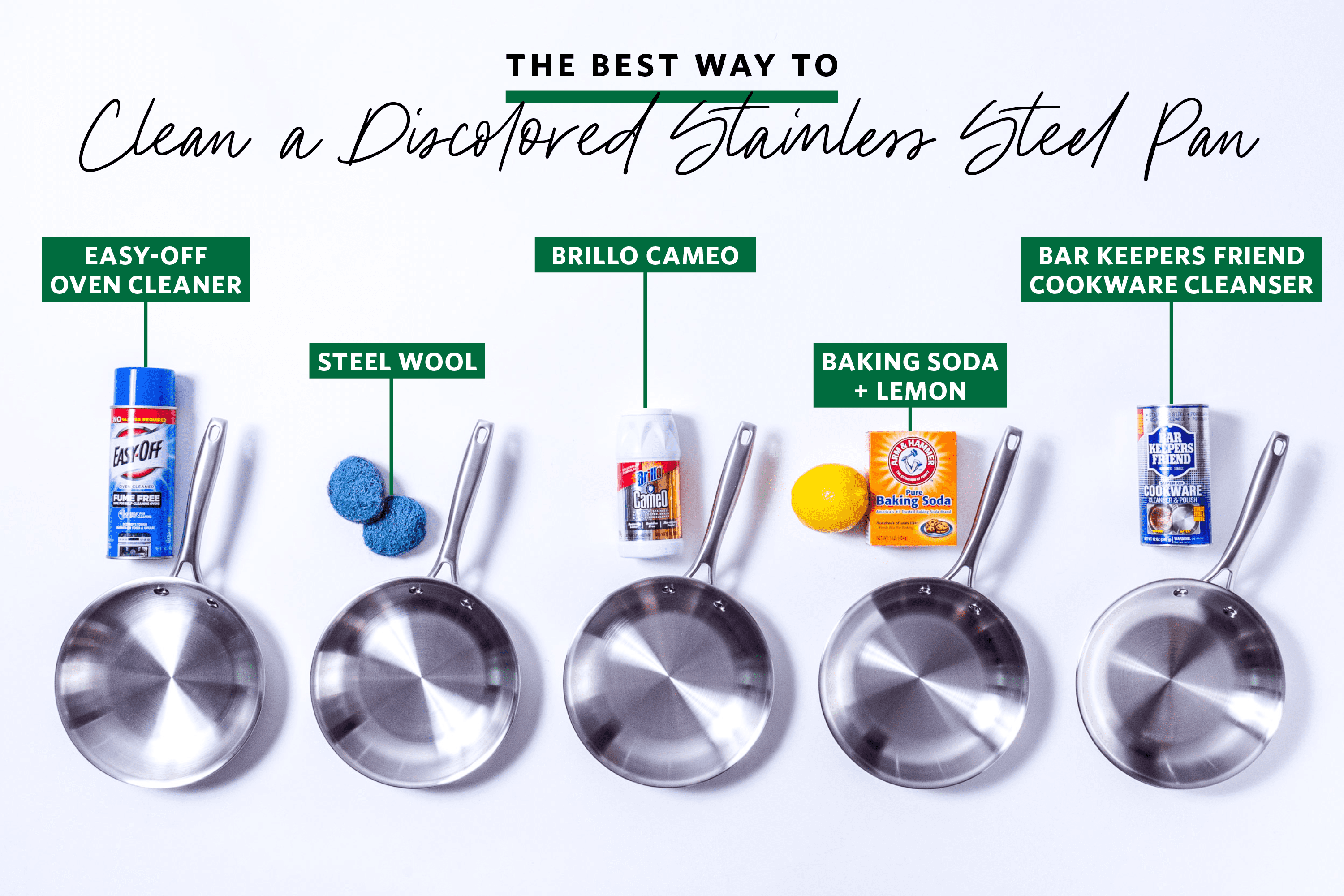
Discoloration often comes from high heat or minerals in water. Mix equal parts of white vinegar and water. Apply this mix to the cookware and rub with a soft cloth. Rinse well with warm water. For water spots, dry the cookware immediately after washing. Use a microfiber cloth to prevent streaks.
Using Natural Cleaning Agents
Natural cleaners are safe and effective for stainless steel. Baking soda works well for gentle scrubbing. Make a paste with water and baking soda. Apply it to the cookware and rub softly. Rinse thoroughly to remove residue. Lemon juice removes rust and adds shine. Rub lemon juice on spots, then rinse. These natural options avoid harsh chemicals and protect your cookware.
Proper Storage Practices
Proper storage is key to keeping stainless steel cookware in great shape. Storing pots and pans the right way stops damage and keeps them ready for use. A little care during storage helps maintain their shine and performance. Follow these tips to store cookware safely and neatly.
Preventing Scratches And Dents
Stacking pots and pans without protection causes scratches. Use soft cloths or paper towels between each piece. Avoid placing heavy items on top of delicate cookware. Store lids separately or hang them to avoid dents. Handle cookware gently to keep surfaces smooth and shiny.
Organizing Cookware Efficiently
Arrange cookware by size and type for easy access. Use shelves or racks to keep items visible and organized. Nest smaller pans inside larger ones to save space. Use hooks to hang frequently used pots and lids. A tidy kitchen makes cooking faster and reduces clutter.
Credit: www.thekitchn.com
Maintaining Cookware Performance
Maintaining the performance of stainless steel cookware ensures it lasts longer and cooks food better. Proper care helps keep its surface smooth and avoids damage. This also makes cooking safer and more enjoyable. Follow these tips to keep your cookware in top shape.
Avoiding Warping And Damage
Always heat your cookware slowly. Avoid sudden temperature changes. For example, never put a hot pan in cold water. This can cause warping. Use low or medium heat for most cooking tasks. Avoid dropping or banging your cookware. This can cause dents and scratches. Use wooden or silicone utensils to protect the surface. Store cookware properly to avoid scratches and damage.
Tips For Even Heating
Place cookware on a burner that matches its size. This helps heat spread evenly. Preheat the pan before adding food. This prevents sticking and ensures good cooking. Stir food regularly to avoid hot spots. Avoid overcrowding the pan. This stops heat from reaching all parts evenly. Use cookware with a thick base for better heat distribution.
When To Replace Cookware
Replace cookware if it has deep scratches or cracks. Warped pans that do not sit flat need replacement. If food sticks badly or burns often, it may be time to buy new cookware. Rust spots that won’t come off also mean replacement is needed. Using damaged cookware affects cooking and can be unsafe.
Common Mistakes To Avoid
Taking care of stainless steel cookware needs attention to avoid damage. Many people make simple mistakes that shorten the life of their pots and pans. These errors can cause stains, warping, or loss of shine. Learning what not to do helps keep your cookware looking new and working well.
Using Harsh Chemicals
Strong chemicals can ruin stainless steel surfaces. Avoid bleach, oven cleaners, and abrasive powders. These products scratch or dull the finish. Use mild dish soap and warm water instead. Gentle cleaning keeps the cookware smooth and shiny. For tough spots, try a paste of baking soda and water.
Overheating Cookware
High heat can warp or discolor stainless steel. Do not heat empty pans on high flames. Use medium or low heat for cooking. Overheating also makes food stick more easily. Let the pan warm gradually before adding oil or food. This protects the metal and improves cooking results.
Ignoring Manufacturer Guidelines
Each brand has specific care instructions. Skipping these can cause problems like rust or peeling. Read the manual carefully when you buy new cookware. Follow the recommended cleaning and cooking tips. This helps keep your pots and pans safe and effective. Manufacturer advice ensures long-lasting use.
Credit: www.reddit.com
Frequently Asked Questions
How Do I Clean Stainless Steel Cookware Effectively?
Use warm water, mild dish soap, and a soft sponge to clean. Avoid abrasive cleaners to prevent scratches. For stubborn stains, use a baking soda paste or vinegar. Rinse thoroughly and dry immediately to maintain the cookware’s shine and prevent water spots.
Can I Put Stainless Steel Cookware In The Dishwasher?
Yes, most stainless steel cookware is dishwasher safe. However, hand washing is recommended to preserve the finish. Harsh dishwasher detergents can dull the surface over time. Always check the manufacturer’s instructions for specific care advice.
How Do I Remove Burnt Food From Stainless Steel Pans?
Fill the pan with warm water and a few drops of dish soap. Let it soak for 30 minutes. Use a non-abrasive scrubber to gently remove burnt residue. For tough stains, boil water with baking soda in the pan before scrubbing.
Is It Safe To Use Metal Utensils On Stainless Steel Cookware?
Yes, stainless steel cookware is durable and can handle metal utensils. However, using silicone or wooden tools can prolong the cookware’s appearance. Avoid using sharp or overly aggressive metal utensils to prevent scratches.
Conclusion
Taking care of stainless steel cookware is simple and rewarding. Clean your pots and pans after each use to keep them shiny. Use gentle scrubbers to avoid scratches. Avoid harsh chemicals that can damage the surface. Dry your cookware well to prevent water spots.
Store them properly to save space and avoid dents. With these easy steps, your cookware will last many years. Enjoy cooking with tools that stay beautiful and work well every day. Proper care makes all the difference.

Hello, This is Annie Walker, a 38-year-old blogger, founder, and editor of Cookware Guider from NY, USA. I am a cookware fanatic and passionate cooker. I love to cook with different types of cooking appliances (example: all types of cookware, rice cookers, slow cookers, etc) almost every day in my kitchen. I love to share my experience with my readers in my blog. Also, I enjoy helping people to solve their problems through my website. You can follow me on Twitter & Pinterest. To know details about my blog please check the about us page.