
Are you tired of guessing which pots and pans will work on your induction cooktop? Choosing the right cookware can feel confusing and frustrating, especially when you want your meals to cook evenly and quickly.
But don’t worry—understanding what cookware works on induction is easier than you think. By knowing the simple materials and features to look for, you can save time, avoid wasted money, and enjoy cooking like never before. Keep reading to discover the secrets to picking the perfect cookware for your induction stove.

Credit: stahlkitchens.com
How Induction Cooking Works
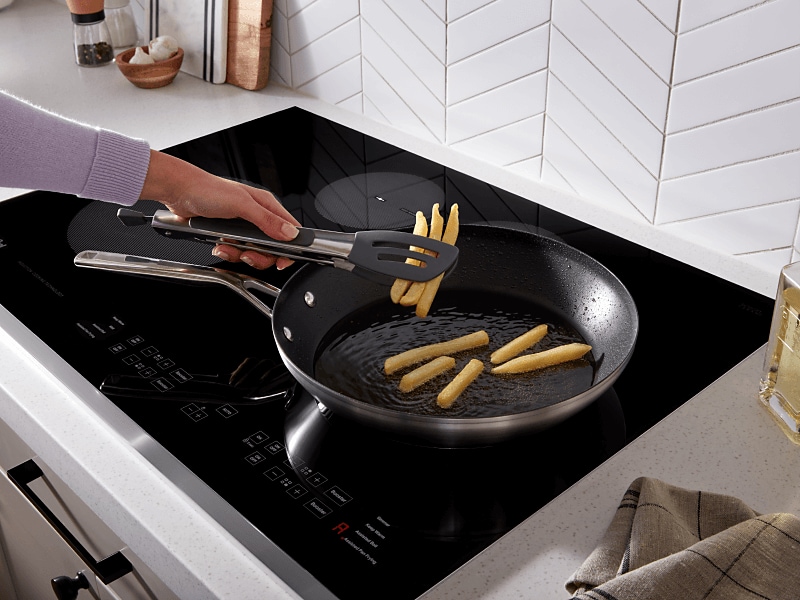
Induction cooking uses a special method to heat pots and pans quickly and efficiently. It works differently from gas or electric stoves. Instead of heating the burner first, induction heats the cookware directly. This process saves time and energy.
How Induction Cooking Creates Heat
Induction cooktops have a coil of copper wire under the surface. When the cooktop is on, electricity flows through this coil. This creates an invisible magnetic field.
The magnetic field moves up and down very fast. It causes tiny electric currents in the cookware. These currents produce heat inside the pot or pan itself.
Why Cookware Material Matters
Not all cookware can make these electric currents. The pot or pan must be made of magnetic metal. This is why some pots work on induction, and some do not.
- Works well: Cast iron, stainless steel (if magnetic), and some carbon steel pans.
- Does not work: Aluminum, copper, glass, and non-magnetic stainless steel.
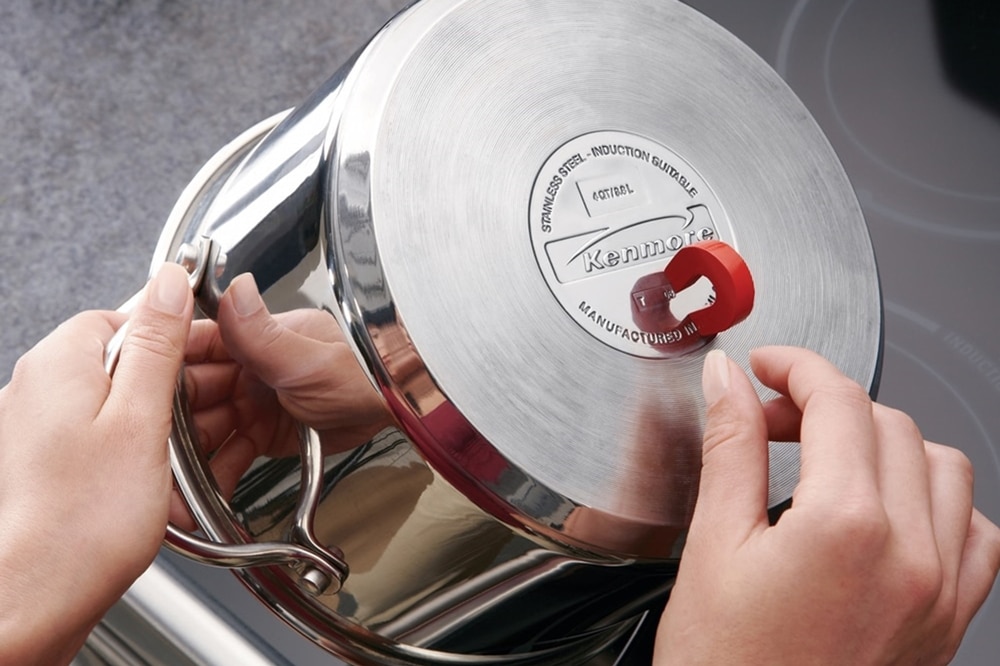
Use a simple magnet test to see if your cookware works on induction. If a magnet sticks well to the bottom, it will work. If it does not stick, the cookware is not suitable for induction cooking.
Benefits Of Induction Heat Directly In Cookware
- Heats faster than gas or electric stoves.
- Energy efficient because heat is not lost to the air.
- Surface stays cooler, reducing burns and spills.
- Precise temperature control for better cooking results.
Credit: www.whirlpool.com
Materials Compatible With Induction
Induction cooktops heat cookware through magnetic fields. Only specific materials work well with this technology. The cookware must be magnetic to generate heat on an induction stove. This section explains the main materials compatible with induction. Each type offers unique benefits and suits different cooking styles. Knowing these materials helps choose the right pots and pans for induction cooking.
Magnetic Stainless Steel
Magnetic stainless steel is a popular choice for induction cookware. Not all stainless steel works, but those with iron in their base attract magnets and heat efficiently. This type combines durability, corrosion resistance, and good heat conduction.
- Durability: Resists rust and stains over time.
- Heat distribution: Often layered with aluminum or copper for even heating.
- Maintenance: Easy to clean and dishwasher safe.
Look for labels stating “induction compatible” or test with a magnet. If the magnet sticks firmly to the base, the cookware will work on induction.
| Feature | Benefit |
|---|---|
| Magnetic base | Works with induction heat |
| Stainless steel body | Durable and resistant to corrosion |
| Layered base (aluminum/copper) | Ensures even heat distribution |
Cast Iron
Cast iron is excellent for induction cooking. It is naturally magnetic, making it perfect for induction stoves. Cast iron holds heat well and cooks food evenly, great for slow cooking and frying.
- Heat retention: Keeps food warm for a long time.
- Durability: Can last for generations with proper care.
- Weight: Heavier than other materials, providing stability on the cooktop.
Cast iron requires seasoning to maintain its non-stick surface. It is prone to rust if not dried properly after washing.
| Aspect | Details |
|---|---|
| Magnetic | Yes, ideal for induction |
| Heat retention | Excellent, very even cooking |
| Care | Needs seasoning and drying |
Enameled Cast Iron
Enameled cast iron combines the benefits of cast iron with a smooth, colorful coating. The enamel layer prevents rust and eliminates the need for seasoning.
- Easy cleaning: The enamel surface is non-reactive and simple to clean.
- Durability: Retains heat well and resists chipping with proper use.
- Magnetic base: Suitable for induction due to the cast iron core.
Enameled cast iron is heavier than other cookware. Avoid sudden temperature changes to protect the enamel coating.
| Property | Benefit |
|---|---|
| Enamel coating | Prevents rust and easy to clean |
| Cast iron core | Magnetic and great heat retention |
| Weight | Heavy but stable on cooktop |
Carbon Steel
Carbon steel is a lightweight alternative to cast iron with similar magnetic properties. It heats quickly and cools down faster, offering more control over cooking temperatures.
- Fast heating: Ideal for stir-frying and sautéing.
- Durability: Strong and resistant to warping.
- Seasoning: Requires regular seasoning to maintain a non-stick surface.
Carbon steel pans are versatile and work well on induction stoves. They tend to be lighter and easier to handle than cast iron.
| Characteristic | Details |
|---|---|
| Magnetic | Yes, works on induction |
| Weight | Lighter than cast iron |
| Maintenance | Needs seasoning and drying |
Materials That Don’t Work
Induction cooktops use magnetic fields to heat cookware directly. This means cookware must have magnetic properties to work well. Some materials do not respond to induction heat, causing poor or no heating. Knowing which materials don’t work helps avoid frustration and wasted energy. Below are common materials that fail on induction cooktops.
Aluminum
Aluminum is a popular metal for cookware due to its excellent heat conduction. It heats quickly and evenly, making it great for many cooking tasks. But aluminum is not magnetic. This means aluminum pots and pans won’t work on induction cooktops unless they have a magnetic layer added to the base.
There are some key points about aluminum cookware on induction:
- Pure aluminum cookware cannot generate heat on induction surfaces.
- Many manufacturers add a magnetic stainless steel plate to the bottom. This makes the cookware induction-compatible.
- Cookware without this plate will stay cold, even if placed on an induction burner.
- Thin aluminum cookware will heat poorly on induction, even if it has a magnetic base.
Here is a quick comparison:
| Cookware Type | Magnetic Base | Induction Compatibility |
|---|---|---|
| Pure Aluminum | No | No |
| Aluminum with Magnetic Plate | Yes | Yes |
Use cookware labeled “induction-ready” if it is aluminum. Otherwise, it won’t work.
Copper
Copper is prized for its fast, even heating and beautiful appearance. Many chefs love copper pans for precise cooking. Like aluminum, copper is not magnetic. This means copper cookware does not work on induction cooktops unless it has a magnetic layer added.
Important facts about copper cookware on induction include:
- Pure copper cookware fails to heat on induction surfaces.
- Some copper pans have a stainless steel or iron base plate to enable induction use.
- Cookware without this base will remain cold despite induction activation.
- Copper cookware is often heavy and expensive, so verify induction compatibility before buying.
Here is a quick look at copper induction compatibility:
| Cookware Type | Magnetic Base | Induction Compatibility |
|---|---|---|
| Pure Copper | No | No |
| Copper with Magnetic Base | Yes | Yes |
For copper cookware, always check for an induction-ready label or base.
Glass And Ceramic
Glass and ceramic cookware look elegant and are great for baking or slow cooking. These materials do not contain metal and are not magnetic. Because of this, glass and ceramic cookware do not work on induction cooktops.
Key points about glass and ceramic cookware on induction include:
- They cannot produce the magnetic field needed for induction heating.
- Glass and ceramic cookware will stay cold on induction burners.
- Some ceramic cookware has a metal base to work on induction, but pure ceramic does not.
- Glass cookware is better suited for traditional ovens or electric and gas stoves.
The table below summarizes induction use for glass and ceramic:
| Cookware Type | Metal Base | Induction Compatibility |
|---|---|---|
| Pure Glass | No | No |
| Pure Ceramic | No | No |
| Ceramic with Magnetic Base | Yes | Yes |
Choose cookware with a magnetic base for induction use. Pure glass or ceramic will not heat.
Testing Cookware For Induction
Choosing the right cookware for induction cooking is important for best results. Induction cooktops work by creating a magnetic field. This field heats only pots and pans with magnetic properties. Testing cookware ensures it fits well with induction technology. You can test your existing cookware or new purchases quickly at home. Two simple methods help confirm if your cookware works on induction cooktops. These methods are the Magnet Test and checking Manufacturer Labels. Both are easy and reliable ways to avoid wasted money on incompatible cookware.
Magnet Test
The Magnet Test is the easiest way to check if cookware works on induction stoves. Induction cooktops need a magnetic base to heat the pan. You only need a small magnet to test this.
- Take a small magnet, like a fridge magnet.
- Place it on the bottom of your cookware.
- If the magnet sticks well, the cookware is induction-compatible.
- If the magnet does not stick or falls off, it will not work on induction.
This test works because induction heating uses magnetic fields to generate heat. Cookware made from magnetic materials like cast iron or some stainless steels passes this test.
Here is a quick reference table for common cookware materials and their induction compatibility:
| Cookware Material | Magnetic? | Induction Compatible? |
|---|---|---|
| Cast Iron | Yes | Yes |
| Stainless Steel (magnetic grade) | Yes | Yes |
| Aluminum | No | No |
| Copper | No | No |
| Non-Magnetic Stainless Steel | No | No |
Use the Magnet Test on all your cookware to be sure. It is a fast, no-cost check. This method works well for older or mixed metal pans too. If the magnet sticks, the pan will heat efficiently on induction.
Manufacturer Labels
Checking manufacturer labels is another reliable way to find induction-compatible cookware. Most brands include clear marks on their products to show if they work with induction cooktops.
Look for these labels on the bottom or packaging of your cookware:
- Induction Symbol: A coil or series of loops means the cookware fits induction.
- “Induction Ready” or “Induction Compatible” text: This confirms suitability.
- Material info: Labels may state if the base contains magnetic stainless steel or cast iron.
Labels save time and guesswork. They provide direct proof from the manufacturer about the cookware’s use. For example, many stainless steel cookware lines now come with a magnetic base layer. This layer is often noted on the label.
Here is a list of common induction labels and their meanings:
| Label or Symbol | Meaning |
|---|---|
| Coil icon | Compatible with induction cooktops |
| “Induction Ready” | Cookware works on induction |
| Magnetic base mentioned | Pan has magnetic layer for induction |
Always read labels carefully before buying. Some cookware may work on gas or electric but not induction. Manufacturer information helps avoid confusion. Combine label checking with the magnet test for best results.
Cookware Design Considerations
Choosing the right cookware for induction cooking involves more than just magnetic material. The design of the cookware plays a crucial role in how well it performs on an induction cooktop. Certain design features improve heat transfer, cooking efficiency, and overall safety. Understanding these design considerations helps pick cookware that works best with induction technology and delivers consistent cooking results.
Flat Bottoms
A flat bottom is essential for induction cookware. The induction cooktop uses magnetic fields to heat the pan directly, so the pan’s base must have full contact with the cooktop surface. A flat bottom ensures:
- Better magnetic contact: Improves energy transfer from cooktop to pan.
- Even heat distribution: Prevents hot spots and uneven cooking.
- Stable placement: Stops the pan from wobbling during cooking.
Cookware with warped, rounded, or uneven bases will not heat efficiently on induction. Even small gaps reduce the magnetic connection, leading to slower heating or no heating at all.
Here is a comparison table for base types and induction suitability:
| Base Type | Induction Compatibility | Performance Notes |
|---|---|---|
| Flat Stainless Steel | High | Excellent heat transfer and stability |
| Flat Cast Iron | High | Good heat retention and induction response |
| Rounded or Warped Base | Low | Poor contact; inefficient heating |
| Glass or Ceramic Base | None | Non-magnetic; no induction heating |
Flat bottoms also reduce wear on induction cooktops by preventing uneven pressure points. This feature extends the cooktop’s life and keeps cooking consistent.
Thickness And Heat Distribution
Cookware thickness impacts both heat distribution and cooking control on induction stoves. The base must be thick enough to spread heat evenly but not so thick that it slows heat response. Proper thickness avoids:
- Hot spots that burn food
- Cold spots that undercook meals
- Slow heating or uneven cooking
Induction heats the pan directly, so the metal’s thermal conductivity matters. Metals like copper and aluminum conduct heat well but need a magnetic layer to work on induction. Thickness affects how this heat moves through the pan.
Optimal thickness balances:
- Heat retention: Thicker bases hold heat longer, good for steady cooking.
- Quick response: Thinner bases heat up and cool down faster.
- Weight: Very thick pans can be heavy and hard to handle.
Common thickness ranges and their effects:
| Base Thickness | Heat Distribution | Best Use |
|---|---|---|
| 2-3 mm | Moderate | Everyday cooking with balanced heat |
| 4-6 mm | Excellent | Searing, frying, and even heat |
| 7+ mm | Very good but slow response | Slow cooking, simmering, heavy use |
Look for cookware with layered bases combining metals. For example, stainless steel with an aluminum core offers magnetic induction compatibility plus even heat. This design prevents hot spots and keeps food cooking evenly.
Popular Induction-friendly Cookware Brands
Popular induction-friendly cookware brands offer a range of products that work well with induction cooktops. These brands focus on materials like stainless steel and cast iron, which have magnetic properties needed for induction cooking. Choosing cookware from trusted brands ensures better heat distribution and durability.
All-clad
All-Clad is a well-known brand famous for its high-quality stainless steel cookware. Their products have a magnetic stainless steel base that works efficiently on induction cooktops. All-Clad cookware heats evenly and lasts for many years, making it a favorite among home cooks and professionals.
Le Creuset
Le Creuset is famous for its enameled cast iron cookware. The cast iron core is perfect for induction cooking. This brand offers colorful and durable pots and pans that hold heat well. Their products also have a smooth enamel surface, which is easy to clean.
T-fal
T-fal offers budget-friendly options with induction-compatible stainless steel bases. Their non-stick cookware is designed for easy food release and quick cleaning. T-fal pans heat up quickly and provide good performance on induction surfaces.
Lodge
Lodge is a trusted brand for cast iron cookware. Cast iron works very well on induction cooktops due to its magnetic properties. Lodge products are sturdy, affordable, and improve seasoning over time, enhancing cooking flavor and non-stick quality.
Cuisinart
Cuisinart provides a variety of stainless steel cookware sets suitable for induction. Their products feature an aluminum core with magnetic stainless steel bottoms. This combination ensures even heat and fast cooking on induction cooktops.
| Brand | Material | Induction Compatibility | Key Features |
|---|---|---|---|
| All-Clad | Stainless Steel | Yes | Durable, even heating, professional quality |
| Le Creuset | Enameled Cast Iron | Yes | Heat retention, colorful, easy cleaning |
| T-fal | Stainless Steel with Non-stick | Yes | Affordable, quick heating, easy cleaning |
| Lodge | Cast Iron | Yes | Sturdy, affordable, improves seasoning |
| Cuisinart | Stainless Steel with Aluminum Core | Yes | Even heat, fast cooking, versatile |
Maintaining Induction Cookware
Maintaining induction cookware is key to keeping it efficient and long-lasting. Induction cookware needs special care because it has a magnetic base that works with induction cooktops. Proper maintenance helps keep the cookware’s surface smooth and the base flat. This ensures good contact with the cooktop, which saves energy and cooks food evenly. Clean cookware also prevents stains and odors, making your kitchen fresher and healthier.
Cleaning Tips
Cleaning induction cookware is simple but requires attention to protect the surface and base. Always let the cookware cool before cleaning. Sudden temperature changes can cause warping or damage. Use warm water and mild dish soap for regular cleaning. Avoid harsh chemicals that can wear down the cookware’s coating or surface.
- Use a soft sponge or cloth: Rough scrubbers can scratch the surface.
- Soak stuck food: Fill the cookware with warm soapy water and soak for 15-20 minutes.
- Remove stains gently: Use a paste of baking soda and water for tough spots.
- Dry thoroughly: Wipe with a soft towel to prevent water spots or rust on the base.
Here is a quick guide for cleaning different induction cookware types:
| Cookware Type | Cleaning Method | Things to Avoid |
|---|---|---|
| Stainless Steel | Warm soapy water, soft cloth, baking soda paste for stains | Abrasive scrubbers, bleach |
| Cast Iron | Hand wash with mild soap, dry immediately, oil lightly | Dishwasher, soaking for long time |
| Nonstick | Soft sponge, mild soap, avoid overheating | Metal utensils, abrasive pads |
Avoiding Damage
Protecting induction cookware from damage ensures it works well for years. The flat magnetic base must stay smooth and clean for the cooktop to detect it. Dropping or banging the cookware can cause dents or cracks that reduce performance. Avoid stacking heavy pots directly on top of each other to prevent scratches.
- Use proper utensils: Wooden, silicone, or plastic tools prevent scratching nonstick surfaces.
- Do not overheat empty cookware: This can warp the base and damage coatings.
- Lift cookware carefully: Sliding pots on the cooktop surface can cause scratches to both the pan and the cooktop.
- Check the base regularly: Clean any residue to keep it smooth and flat.
Below is a summary of common causes of damage and how to avoid them:
| Cause | Effect | Prevention |
|---|---|---|
| Overheating empty pan | Warped base, coating damage | Heat only with food or liquid inside |
| Using metal utensils | Scratches on surface | Use wooden or silicone utensils |
| Stacking without protection | Scratches and dents | Place soft cloth or paper between cookware |
| Rough cleaning tools | Surface damage | Use soft sponges or cloths |
Credit: www.frigidairearabia.com
Frequently Asked Questions
What Types Of Cookware Work On Induction Stoves?
Cookware must have a magnetic base to work on induction stoves. Cast iron, stainless steel, and some enameled steel pans are compatible. Aluminum, copper, and glass usually don’t work unless they have a magnetic layer. Always check for induction compatibility before purchase.
How Can I Test If Cookware Works On Induction?
Place a magnet on the bottom of the cookware. If it sticks firmly, the cookware is induction-compatible. This simple test helps avoid buying unsuitable pots or pans. Induction stoves require magnetic materials for proper heating.
Are Stainless Steel Pans Suitable For Induction Cooking?
Yes, stainless steel pans with a magnetic base work well on induction. Not all stainless steel cookware is compatible, so verify the base. High-quality stainless steel pans offer excellent durability and even heating on induction cooktops.
Can Cast Iron Cookware Be Used On Induction Cooktops?
Absolutely, cast iron cookware works perfectly on induction cooktops. Its magnetic properties make it highly efficient for induction cooking. However, cast iron is heavy and may scratch glass surfaces, so handle carefully.
Conclusion
Cookware with magnetic bases works best on induction stoves. Cast iron, stainless steel, and some types of enamel pots fit well. Non-magnetic materials like aluminum or glass do not heat up properly. Check for an induction symbol or test with a magnet before buying.
Choosing the right cookware saves time and energy while cooking. Now you know what works on induction cooktops. Cook smarter and enjoy your meals!

Hello, This is Annie Walker, a 38-year-old blogger, founder, and editor of Cookware Guider from NY, USA. I am a cookware fanatic and passionate cooker. I love to cook with different types of cooking appliances (example: all types of cookware, rice cookers, slow cookers, etc) almost every day in my kitchen. I love to share my experience with my readers in my blog. Also, I enjoy helping people to solve their problems through my website. You can follow me on Twitter & Pinterest. To know details about my blog please check the about us page.