
A Whirlpool glass cooktop brings style and efficiency to your kitchen. But over time, spills, stains, and burnt-on residue can dull its shine and even affect performance. Many people worry about scratching the glass or damaging the surface with harsh cleaners.
Luckily, keeping your Whirlpool glass cooktop clean isn’t difficult once you know the right techniques and products. With a little care, you can keep your cooktop looking new and working perfectly for years.
Understanding Your Whirlpool Glass Cooktop
Before you start cleaning, it’s important to know what makes Whirlpool glass cooktops special. The surface is made from toughened glass, designed to resist heat and scratches. However, it’s not indestructible. Using rough materials or the wrong chemicals can cause permanent damage, cloudiness, or scratches.
Whirlpool recommends using cleaners made specifically for glass cooktops. These remove tough stains without harming the surface. Many owners don’t realize that using regular kitchen cleaners or abrasive sponges can actually shorten the lifespan of their cooktop.
Common Types Of Messes
You’ll encounter several types of messes:
- Light spills: Water, oil, or sauce that hasn’t dried.
- Burnt-on food: Stains baked onto the glass.
- Mineral deposits: White spots from hard water.
- Grease buildup: Oily residue around burners.
Each type needs a slightly different cleaning approach, so understanding what you’re dealing with saves time and prevents mistakes.
Essential Tools And Cleaning Products
Having the right tools makes cleaning easier and safer for your cooktop. Here’s a comparison of common cleaning tools:
| Tool/Product | Use | Safe for Glass? | Notes |
|---|---|---|---|
| Microfiber cloth | Wiping & polishing | Yes | Best for daily cleaning |
| Razor scraper | Removing burnt-on stains | Yes (with care) | Use at shallow angle |
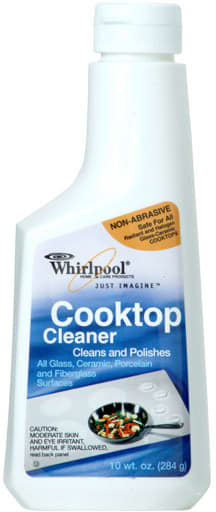
| Cooktop cleaner | Cleaning & stain removal | Yes | Special formula for glass |
| Paper towels | Drying & quick wipe | Yes | Can leave lint |
| Abrasive sponge | Heavy scrubbing | No | May scratch glass |
Most cleaning jobs will use a microfiber cloth, a special cooktop cleaner, and sometimes a razor scraper for stubborn stains. Avoid steel wool, rough sponges, or regular kitchen cleaners with ammonia or bleach.
Step-by-step Cleaning Guide
Cleaning your Whirlpool glass cooktop involves both daily care and deeper cleaning for tough stains. Here’s how to do it safely:
Daily Cleaning
- Let the cooktop cool. Never clean while hot. Wait until it’s completely cool to the touch.
- Wipe loose debris. Use a dry microfiber cloth to remove crumbs or dust.
- Apply cooktop cleaner. Squeeze a small amount of Whirlpool-approved cleaner onto the surface.
- Spread and rub gently. Use a damp microfiber cloth to spread the cleaner in circles.
- Buff dry. Wipe with a clean, dry cloth for a streak-free finish.
This routine removes most light spills and keeps your cooktop shiny.
Removing Burnt-on Stains
Sometimes food or liquid gets burned onto the surface, leaving stubborn marks. Follow these steps:
- Apply cleaner. Put extra cooktop cleaner directly on the stain.
- Let sit. Wait 5-10 minutes for the cleaner to soften the residue.
- Use razor scraper. Holding at a 30-degree angle, gently scrape the stain. Never press hard or use the corner of the blade.
- Wipe clean. Remove loosened residue with a damp cloth.
- Polish. Finish with a clean, dry microfiber cloth.
Tackling Hard Water Spots And Grease
Hard water can leave white spots. Grease creates sticky patches. Here’s what to do:
- Vinegar solution: Mix equal parts water and white vinegar. Spray on spots, let sit 5 minutes, and wipe with a soft cloth.
- Grease remover: For heavy grease, use a cooktop cleaner designed for oily stains. Avoid generic degreasers.
Deep Cleaning Once A Week
A weekly deep clean prevents buildup:
- Remove all grates or removable parts.
- Clean surface as above.
- Inspect edges and corners. Use a cotton swab for tight spots.
- Check for scratches or chips. If found, avoid scrubbing and call Whirlpool support if needed.
Common Cleaning Mistakes To Avoid
Many people make mistakes that can damage their cooktop. Here are the most important to avoid:
- Cleaning while hot: This can cause cleaner to dry too fast, leaving streaks or even cracking the glass.
- Using abrasive pads: Even a single use can cause permanent scratches.
- Skipping regular cleaning: Allowing stains to build up makes removal harder and can lead to discoloration.
- Using harsh chemicals: Ammonia, bleach, or oven cleaner will damage the glass and remove the shine.
- Ignoring edges: Dirt builds up around the edges and can cause long-term problems.
These mistakes may seem minor, but over time, they reduce the lifespan and appearance of your cooktop.
Comparing Popular Cooktop Cleaners
Choosing the right cleaner is key. Here’s a comparison of top products used for Whirlpool glass cooktops:
| Brand | Type | Strengths | Drawbacks |
|---|---|---|---|
| Weiman | Liquid | Removes tough stains, leaves shine | May require buffing for streak-free finish |
| Whirlpool | Liquid | Designed for Whirlpool cooktops | Higher price |
| Affresh | Paste | Excellent for burnt-on residue | Can be messy to apply |
| Cerama Bryte | Liquid | Good for daily use | Less effective on tough stains |
Most users find that Weiman or Whirlpool-branded cleaners work best for regular cleaning, while Affresh is ideal for tough, cooked-on stains. Look for products with the “safe for glass cooktops” label.
How Often Should You Clean?
Frequency depends on your cooking habits. Here are some general guidelines:
- Daily: Wipe after each use to prevent buildup.
- Weekly: Deep clean for stains and edges.
- Monthly: Inspect for scratches, chips, or mineral deposits.
If you cook often, cleaning daily is important. For light use, weekly cleaning may be enough. Many beginners underestimate the importance of regular care. Letting stains sit for weeks makes them much harder to remove and can lead to permanent marks.
Credit: www.ajmadison.com
Practical Tips For Maintaining A Shiny Cooktop
Keeping your Whirlpool glass cooktop looking new isn’t just about cleaning. Here are some practical tips:
- Use cookware with flat bottoms. Uneven pans can scratch the glass.
- Avoid dragging pots. Always lift, never slide, to prevent scratches.
- Clean spills quickly. The longer a spill sits, the harder it is to remove.
- Don’t use aluminum foil. It can leave marks and react with the glass.
- Store razor scraper safely. Avoid accidents and scratches.
- Check cookware for rough spots. Sand or replace damaged pans.
- Test cleaners in a small area first. If unsure, try in a corner.
One insight many miss: even a clean cooktop can lose its shine if you use rough cookware or allow water spots to build up. Prevention is as important as cleaning.
Troubleshooting Common Cleaning Problems
Sometimes, even with regular cleaning, you’ll face problems. Here’s how to handle them:
Streaks After Cleaning
- Try buffing with a dry microfiber cloth.
- Use less cleaner; too much can leave residue.
Persistent Burnt Stains
- Apply cleaner and let sit longer.
- Try a razor scraper, but don’t press hard.
- Repeat the process rather than scrubbing aggressively.
Cloudy Surface
- Hard water can cause cloudiness. Use a vinegar solution.
- If cloudiness remains, check for scratches or surface damage.
Scratches
- Minor scratches can be hidden by buffing.
- Deep scratches should be assessed by a professional.
If these problems continue, consult Whirlpool’s official care guide or customer service for advice.
Credit: www.whirlpool.com
Real-life Example: Restoring A Damaged Cooktop
A busy family accidentally spilled sugary syrup on their Whirlpool glass cooktop and left it overnight. By morning, the syrup was burnt on and sticky. They tried regular kitchen spray and a sponge, but nothing worked. After researching, they switched to a cooktop cleaner and a razor scraper, letting the cleaner sit for 10 minutes. The scraper removed the residue without scratching. Polishing finished the job, and the cooktop looked almost new. This shows how using the right tools and waiting for the cleaner to work can save hours of effort.
Whirlpool Cooktop Cleaning Vs Other Brands
How does cleaning a Whirlpool glass cooktop compare to other brands? Here’s a simple comparison:
| Brand | Recommended Cleaner | Surface Sensitivity | Scratch Resistance |
|---|---|---|---|
| Whirlpool | Whirlpool, Weiman | Medium | High |
| GE | Cerama Bryte | High | Medium |
| Samsung | Affresh | Medium | Medium |
| Frigidaire | Weiman | Low | High |
Whirlpool cooktops are generally easier to clean and more scratch-resistant than some competitors, but all glass cooktops require careful handling.

Credit: www.davesmithappliance.com
Frequently Asked Questions
How Do I Remove Burnt-on Stains From My Whirlpool Glass Cooktop?
Apply a cooktop cleaner, let it sit for 5–10 minutes, then use a razor scraper at a shallow angle. Buff with a microfiber cloth for a shiny finish.
Can I Use Regular Kitchen Cleaner On My Glass Cooktop?
No. Regular cleaners can damage the glass or leave streaks. Always use a cleaner marked “safe for glass cooktops. ”
What Should I Do If My Cooktop Becomes Cloudy?
Cloudiness is often caused by hard water. Use a vinegar and water solution. If it doesn’t clear, check for scratches or call Whirlpool support.
Is It Safe To Use A Razor Blade On The Cooktop?
Yes, if used carefully at a shallow angle and only on stubborn stains. Never use the corner of the blade or press too hard.
How Often Should I Deep Clean My Whirlpool Glass Cooktop?
A weekly deep clean is best for most users. Clean daily after cooking to prevent buildup and keep your cooktop in top condition.
Keeping your Whirlpool glass cooktop clean is simple when you follow these tips and avoid common mistakes. Using the right tools and cleaners makes all the difference. With regular care, your cooktop will stay shiny and efficient for years. For more guidance on caring for glass cooktops, visit the official Whirlpool maintenance guide.

Hello, This is Annie Walker, a 38-year-old blogger, founder, and editor of Cookware Guider from NY, USA. I am a cookware fanatic and passionate cooker. I love to cook with different types of cooking appliances (example: all types of cookware, rice cookers, slow cookers, etc) almost every day in my kitchen. I love to share my experience with my readers in my blog. Also, I enjoy helping people to solve their problems through my website. You can follow me on Twitter & Pinterest. To know details about my blog please check the about us page.