
Cooking with silicone bakeware has become popular among home bakers and professionals alike. With its bright colors, flexible shapes, and promise of easy cleaning, silicone offers a modern alternative to metal and glass pans. But is it as simple as swapping your old pans for new ones?
Many people wonder how to use silicone bakeware correctly and get the best results. This guide will help you cook confidently with silicone, avoid common mistakes, and understand how to make the most of its unique properties.
What Makes Silicone Bakeware Special?
Silicone bakeware is made from a synthetic material that combines silicon, oxygen, carbon, and hydrogen. It’s heat-resistant, nonstick, and flexible. These qualities make it easy to use and clean, but they also affect how your food cooks.
Silicone can handle temperatures from -40°F up to 450°F. It won’t melt in your oven, freezer, or microwave. Unlike metal pans, silicone doesn’t conduct heat rapidly, so your baked goods may cook a bit differently. The flexibility allows you to pop out muffins, cakes, or bread easily—no need for heavy greasing.
Key advantages:
- Nonstick surface reduces the need for extra oil or butter.
- Flexible shape makes removing baked goods simple.
- Heat resistance allows for versatile cooking and freezing.
- Dishwasher safe for easy cleaning.
But silicone isn’t perfect. It sometimes produces lighter browning, and its flexibility can make it tricky to handle when full. Understanding these details will help you avoid surprises.
Choosing The Right Silicone Bakeware
Before you start baking, it’s important to pick quality silicone bakeware. Not all silicone products are equal. Some are pure silicone, others are mixed with cheaper materials.
| Feature | Pure Silicone | Mixed Silicone |
|---|---|---|
| Heat Resistance | Up to 450°F | Often lower |
| Flexibility | Very flexible | May be stiff or brittle |
| Longevity | Years | May crack or fade |
| Safety | Food-grade, BPA free | May contain fillers |
Tips for choosing bakeware:
- Look for food-grade silicone—check for FDA approval.
- Avoid silicone with strong odors or rough textures.
- Choose thicker bakeware for better support and even cooking.
- Avoid bright, cheap colors; they often contain fillers.
A simple test: twist the silicone. If it turns white, it contains fillers and is not pure. Pure silicone stays its original color.
Preparing Silicone Bakeware For Use
Many people think silicone is always nonstick, but new bakeware sometimes needs a little help. Here’s how to prepare it:
- Wash thoroughly before first use. Use warm soapy water to remove residue.
- Dry completely. Water droplets can affect baking.
- Lightly grease the surface the first few times, especially with cakes or sticky recipes. Use oil spray or a thin layer of butter.
- Place on a firm baking sheet. Silicone is floppy; a metal tray keeps it stable when moving in and out of the oven.
Over time, you may not need to grease at all, especially for muffins or cookies. But for cakes, a bit of oil helps with release and browning.
Baking With Silicone: Techniques And Tips
Silicone bakeware changes how your food cooks. Here are important strategies for the best results:
Adjusting Oven Temperatures
Silicone insulates, so baked goods often take longer and brown less. You may need to:
- Increase bake time by 5-10% compared to metal pans.
- Avoid increasing temperature; it can cause uneven cooking.
Promoting Even Browning
Some bakers notice pale or soft edges. Try these solutions:
- Use a dark silicone pan. Darker colors absorb heat better.
- Place your silicone pan on a heated metal baking sheet.
- For crispier edges, use convection settings if available.
Filling And Handling
Filling silicone molds can be tricky because they wobble. Always:
- Set the pan on a metal tray before filling.
- Don’t overfill—leave room for expansion.
When removing from the oven, hold both the tray and the silicone pan. The flexibility can spill batter if you’re not careful.
Cooling And Release
Silicone releases food easily, but patience helps:
- Let baked goods cool for 10-15 minutes.
- Gently loosen edges with a silicone spatula.
- Flip and push from underneath to pop out cakes or muffins.
Cleaning After Baking
Silicone is dishwasher safe, but hand washing often preserves its quality. Use mild soap and a soft sponge.
If your bakeware feels sticky or greasy after washing, try a vinegar rinse or baking soda scrub. This removes oil buildup.
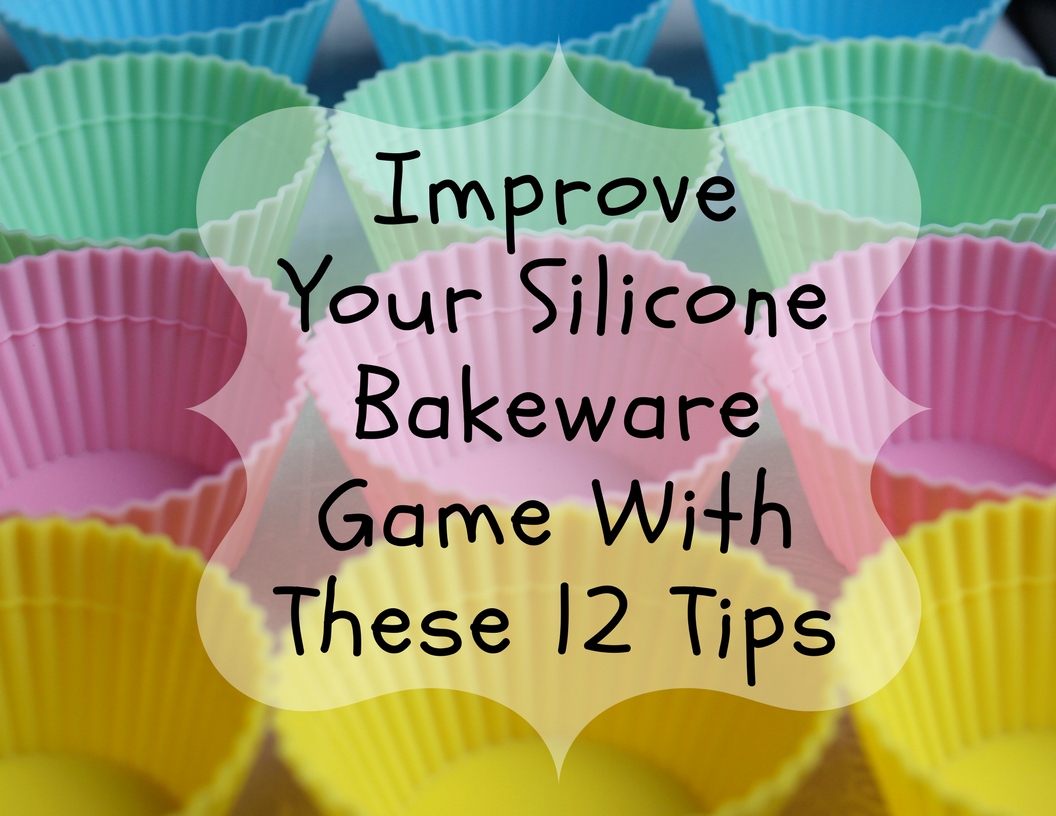
Credit: delishably.com
Comparing Silicone, Metal, And Glass Bakeware
Silicone bakeware has strengths and weaknesses compared to traditional materials. Here’s a quick comparison:
| Feature | Silicone | Metal | Glass |
|---|---|---|---|
| Heat Conductivity | Low | High | Medium |
| Nonstick | Yes | No (usually) | No |
| Browning | Light | Strong | Moderate |
| Handling | Flexible | Rigid | Rigid |
| Cleaning | Easy | Moderate | Easy |
| Durability | High | High | Fragile |
| Microwave Safe | Yes | No | Yes |
Non-obvious insight: Silicone is the only bakeware that can go directly from freezer to oven without cracking. This is useful for frozen desserts or prepping ahead.
Common Mistakes When Cooking With Silicone
Many beginners make small mistakes that affect results. Avoid these issues:
- Using low-quality silicone—leads to odors, melting, and uneven cooking.
- Skipping the baking sheet—makes the pan floppy and spills batter.
- Expecting deep browning—silicone doesn’t brown like metal; use tricks mentioned above.
- Not greasing for sticky recipes—some foods still stick, especially cakes.
- Overfilling molds—can spill or bake unevenly.
Practical tip: If your silicone pan smells after baking, wash it with baking soda or run it through the dishwasher. Odors usually fade with use.

Credit: untrainedhousewife.com
Recipes That Work Well With Silicone Bakeware
Certain recipes are perfect for silicone bakeware. Here are some ideas:
- Muffins and cupcakes: Easy release, no need for paper liners.
- Brownies: Flexible molds make cutting and removing simple.
- Mini loaves: Silicone allows for creative shapes.
- Egg bites: Microwave-safe, perfect for quick meals.
- Candy and chocolate molds: Silicone doesn’t stick, shapes stay intact.
Silicone is also excellent for freezing:
- Ice cream pops
- Frozen yogurt bars
- Herb butter portions
Because silicone withstands extreme temperatures, you can bake, freeze, and even microwave in the same pan.
Cleaning And Maintaining Silicone Bakeware
Proper cleaning keeps silicone bakeware working well for years. Here’s how:
- Wash with warm soapy water after each use.
- For stubborn stains, scrub with baking soda paste.
- If oily residue persists, soak in vinegar and rinse.
- Avoid sharp utensils and knives; they can tear silicone.
Non-obvious tip: Silicone can absorb strong odors from garlic or spices. To remove smells, bake the empty pan at 350°F for 10 minutes, then wash as usual.
Silicone bakeware rarely needs replacing if cared for properly. Store flat or stack carefully to avoid misshaping.
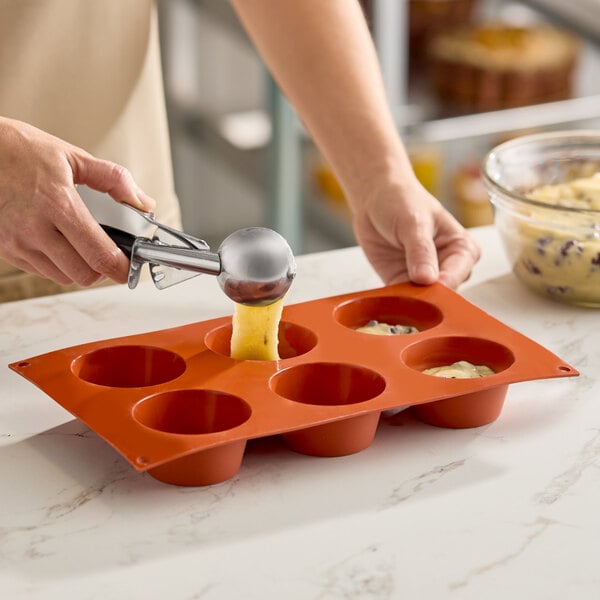
Credit: www.pacfiber.com
Is Silicone Bakeware Safe?
Safety is a concern for many users. Food-grade silicone is approved by the FDA and considered non-toxic. It doesn’t leach chemicals at normal cooking temperatures.
According to a study cited by the FDA, silicone bakeware shows no evidence of harmful substances releasing during baking. Always use certified products and avoid using silicone above recommended temperatures.
Silicone is also hypoallergenic and doesn’t rust or corrode. If you see cracks, fading, or white spots, replace your bakeware.
Creative Uses Beyond Baking
Silicone bakeware is more versatile than most realize. Here are some creative ways to use it:
- Soap making: Flexible molds make removing soap easy.
- Jello and gelatin desserts: Shapes hold well and release smoothly.
- Homemade candles: Silicone withstands heat and won’t stick.
- Meal prep: Freeze portions, then pop them out for easy reheating.
Experience-based tip: Silicone molds are great for organizing small items (nuts, snacks, craft beads). Their flexibility makes them easy to clean and reuse.
Frequently Asked Questions
Can I Use Silicone Bakeware In The Microwave?
Yes. Silicone bakeware is microwave safe, making it ideal for quick recipes like mug cakes or egg bites. Always check the label for temperature limits and avoid overheating.
Does Silicone Affect The Taste Of Food?
No. Pure food-grade silicone does not affect taste. If your bakeware smells or flavors transfer, it may contain fillers or need deeper cleaning. Wash with baking soda to remove any lingering odors.
How Do I Prevent Silicone Bakeware From Sticking?
Even though silicone is nonstick, some recipes stick—especially cakes or sugary foods. Lightly grease the pan or use oil spray for sticky dishes. Over time, natural oils from baking help maintain the nonstick surface.
Is Silicone Bakeware Dishwasher Safe?
Most silicone bakeware can go in the dishwasher. For best results, place it on the top rack and avoid harsh detergents. Hand washing with mild soap preserves flexibility and color.
What Temperature Is Safe For Silicone Bakeware?
Quality silicone bakeware is usually safe from -40°F to 450°F. Check your product label for exact limits. Never use silicone directly on open flames or broilers, as extreme heat can damage it.
Cooking with silicone bakeware opens up new possibilities in the kitchen. With the right knowledge, you can bake, freeze, and microwave confidently. Take time to choose quality products, adjust your recipes, and care for your bakeware. Soon, you’ll enjoy easier baking and creative meals every day.

Hello, This is Annie Walker, a 38-year-old blogger, founder, and editor of Cookware Guider from NY, USA. I am a cookware fanatic and passionate cooker. I love to cook with different types of cooking appliances (example: all types of cookware, rice cookers, slow cookers, etc) almost every day in my kitchen. I love to share my experience with my readers in my blog. Also, I enjoy helping people to solve their problems through my website. You can follow me on Twitter & Pinterest. To know details about my blog please check the about us page.