
Using a food processor can feel intimidating at first, especially for slicing tasks. But with the right guidance, the Cuisinart food processor becomes one of the most powerful tools in your kitchen. Slicing vegetables, fruits, or cheese is not only faster but also more consistent than using a knife. If you’re tired of uneven slices or spending too much time preparing ingredients, learning how to slice with your Cuisinart can change the way you cook.
Many people don’t realize how precise slicing can improve both cooking speed and food appearance. Cuisinart food processors offer adjustable slicing blades, safety features, and easy assembly. But if you don’t use them correctly, you may end up with crushed vegetables or jammed machines.
This article will walk you through everything you need to know, from assembly and blade selection to cleaning and advanced tips. Whether you’re new to food processors or looking to get more from your Cuisinart, you’ll find practical advice, clear steps, and solutions to common problems.
Let’s make slicing easier, safer, and more efficient.
Understanding Your Cuisinart Food Processor
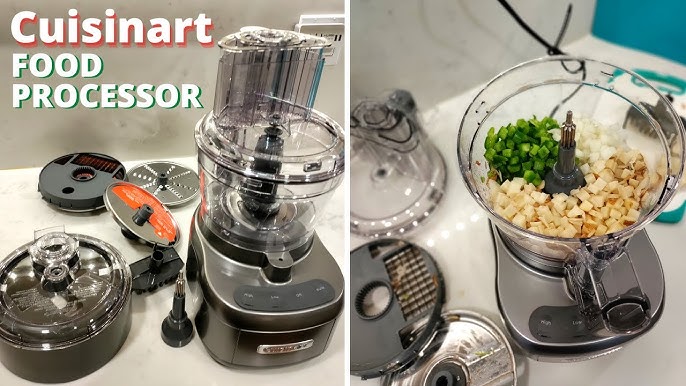
Before you start slicing, it’s important to understand the main parts and features of your Cuisinart food processor. Different models may offer extra functions, but most share these key components:
- Base/Motor: The powerhouse that spins blades and discs.
- Work Bowl: The container where food is processed.
- Feed Tube and Pusher: Guides food toward the blades.
- Slicing Disc: The main tool for slicing.
- Safety Lock: Prevents operation if not properly assembled.
Models And Slicing Capabilities
Cuisinart offers several food processor models, each with unique slicing features. Here’s a quick comparison of three popular models:
| Model | Bowl Size | Slicing Disc | Speed Options | Special Features |
|---|---|---|---|---|
| Custom 14-Cup | 14 cups | Adjustable | Single | Extra-large feed tube |
| Elemental 8-Cup | 8 cups | Standard | 2 speeds | Compact design |
| Elite 12-Cup | 12 cups | Adjustable | 3 speeds | Sealed bowl |
Most slicing is done with the slicing disc. Some discs are adjustable, allowing you to change thickness. Others are fixed, usually around 1/8 inch.
Why Slicing With A Food Processor Matters
Knife skills take years to master. With a food processor, you get:
- Speed: Slice pounds of vegetables in minutes.
- Consistency: Every slice is the same thickness.
- Safety: Less risk of cutting your fingers.
A food processor can also handle tougher foods, like potatoes or carrots, without tiring your hands.
Preparing Your Food Processor For Slicing
Setting up your Cuisinart correctly is essential for safe, efficient slicing. Beginners often miss key steps, leading to frustration or damage.
Step 1: Clean And Dry All Parts
Even new processors may have dust or packing residue. Wash the bowl, slicing disc, feed tube, and pusher with warm soapy water. Dry completely. Wet parts can cause food to stick or slip.
Step 2: Assemble The Bowl And Lid
Place the bowl on the base, aligning it until it clicks into place. Attach the lid, ensuring safety locks are engaged. If the processor doesn’t start, check the lid alignment—a common mistake.
Step 3: Insert The Slicing Disc
Carefully place the slicing disc onto the stem inside the bowl. Make sure it sits flat. Do not force the disc; it should slide easily. For adjustable discs, set your desired thickness before inserting.
Step 4: Attach The Feed Tube And Pusher
The feed tube guides food toward the disc. Use the pusher to keep hands safe and apply steady pressure. Never use fingers or utensils to push food.

Credit: www.cuisinart.com
Choosing And Preparing Ingredients For Slicing
The right preparation makes slicing more effective. Not all foods slice well in a food processor; some need special handling.
Foods That Slice Well
- Carrots
- Potatoes
- Cucumbers
- Zucchini
- Cheese
- Apples
- Bell Peppers
Avoid soft fruits like bananas or tomatoes (unless your processor supports them), as they can become mushy.
Tips For Ingredient Preparation
- Wash and Dry: Clean ingredients thoroughly. Wet food can slip and cause uneven slices.
- Peel if Needed: Remove skins from potatoes, carrots, or apples.
- Trim Ends: Cut off tough stems or roots.
- Cut to Fit Feed Tube: Slice large items into pieces that fit easily in the feed tube.
Here’s a size guideline for slicing:
| Ingredient | Maximum Size for Feed Tube | Extra Preparation |
|---|---|---|
| Carrots | 4 inches long | Peel, trim ends |
| Potatoes | 3 inches wide | Peel, halve if large |
| Cucumbers | Whole or halved | Trim ends |
| Cheese | Block under 2 inches | Chill well before slicing |
Chilled cheese slices cleaner. Warm cheese can smear and jam the disc.
Slicing With Your Cuisinart Food Processor: Step-by-step
Now that your processor is ready and your ingredients are prepared, it’s time to slice. Follow these steps for the best results.
Step 1: Set Slicing Thickness
If your disc is adjustable, choose a thickness. Common settings:
- Thin: 1/16 inch (salads)
- Medium: 1/8 inch (stir fry)
- Thick: 1/4 inch (gratin)
For fixed discs, check the manual for thickness.
Step 2: Load Ingredients In Feed Tube
Stack ingredients vertically for even slices. For carrots or celery, stand them upright. For cucumbers or potatoes, lay flat if tube is wide.
Step 3: Start The Processor
Use the “On” or “Pulse” button. Pulse gives you more control, especially for delicate foods. Apply steady pressure with the pusher—don’t force.
Step 4: Monitor Slicing
Watch the slices as they fall into the bowl. If slices are uneven, check that ingredients are stacked properly. Stop and rearrange if needed.
Step 5: Remove Sliced Food
Turn off the processor. Remove the lid and disc carefully. Take out the slices and transfer to a bowl or container.
Credit: www.youtube.com
Common Slicing Mistakes And How To Fix Them
Even with clear steps, beginners often run into trouble. Here are frequent mistakes and solutions:
- Food Jamming in the Feed Tube
- Cause: Overfilling or uneven pieces.
- Solution: Cut ingredients smaller; stack evenly.
- Uneven Slices
- Cause: Food not stacked vertically.
- Solution: Stand items upright; use the pusher to keep them tight.
- Mushy Results
- Cause: Using soft foods or warm cheese.
- Solution: Use firmer, chilled ingredients.
- Processor Won’t Start
- Cause: Lid or bowl not locked.
- Solution: Realign and lock all parts.
- Disc Not Cutting Cleanly
- Cause: Dirty or dull disc.
- Solution: Clean disc after each use; replace if needed.
Slicing Different Ingredients: Practical Examples
Let’s look at some real-world examples for popular foods.
Slicing Potatoes For Gratin
Potato gratin requires thin, even slices. Use a thin setting (1/16 or 1/8 inch). Peel potatoes, cut to fit feed tube, and slice. Lay slices in a baking dish, overlapping slightly.
Slicing Carrots For Salads
Carrots need to be peeled and trimmed. Stand them upright in the feed tube. Use a medium setting (1/8 inch). Sliced carrots can be added to salads or stir fries.
Slicing Cheese For Sandwiches
Chill cheese for at least 30 minutes. Cut to fit feed tube. Use a thick setting (1/4 inch). Slices are perfect for sandwiches or melting.
Slicing Apples For Pies
Peel and core apples. Quarter or halve to fit tube. Use a medium setting. Slices work well for pies or tarts.
Cleaning And Maintenance After Slicing
Proper cleaning prevents buildup and keeps your processor working smoothly.
Step-by-step Cleaning
- Unplug Processor
- Remove Bowl, Disc, and Lid
- Wash Parts: Use warm soapy water. Avoid abrasive sponges.
- Dry Completely: Moisture can cause odors or rust.
- Wipe Base: Use a damp cloth. Never submerge.
Some parts are dishwasher-safe. Check your model’s manual.
Maintaining The Slicing Disc
- Inspect for Damage: Look for dull or bent blades.
- Sharpen or Replace: If slices become jagged, replace the disc.
- Store Safely: Keep discs in a holder to avoid accidents.
Advanced Slicing Tips For Better Results
Once you’re comfortable with basic slicing, you can try these advanced techniques:
- Layered Slicing: Stack different vegetables for mixed salads.
- Double Slicing: Run slices through a second time for thinner results.
- Creative Shapes: Use different feed tube inserts for unique shapes.
- Batch Slicing: Slice large amounts, then freeze for future meals.
Many users don’t realize that pre-chilling vegetables (like cucumbers) can also improve slicing quality, especially for salads.
Comparing Food Processor Slicing With Other Methods
Why choose a Cuisinart for slicing instead of a mandoline or knife? Let’s compare.
| Method | Speed | Consistency | Safety | Best For |
|---|---|---|---|---|
| Cuisinart Food Processor | Very Fast | High | Safe | Large batches |
| Mandoline | Moderate | Medium | Risky | Small batches |
| Knife | Slow | Low | Safe if skilled | Single items |
For busy kitchens or meal prep, the Cuisinart is the clear winner.
Troubleshooting: What To Do If Slicing Isn’t Working
Sometimes, even after following all steps, slicing may fail. Here’s how to troubleshoot:
- Processor stops mid-slice: Check for overloaded bowl or jammed disc.
- Slices are too thick/thin: Adjust disc setting or switch discs.
- Food isn’t moving through tube: Use pusher, never fingers; reduce size of pieces.
- Motor smells or overheats: Turn off, unplug, and allow to cool. Clean and check for blockages.
If issues persist, consult your manual or contact Cuisinart support. You can find official advice at Cuisinart’s official site.
Safety Tips For Slicing With Cuisinart
Safety is crucial. Here are important tips to follow:
- Always use the pusher to move food.
- Never touch blades or discs while machine is plugged in.
- Keep hands away from feed tube during operation.
- Unplug before cleaning or changing discs.
- Store discs in a safe location, away from children.
Many injuries happen when people rush or forget to unplug. Take your time and follow each step.
Practical Uses For Sliced Ingredients
Slicing isn’t just for salads. With your Cuisinart, you can prepare:
- Potato chips: Thin slices, fried or baked.
- Vegetable stir fry: Even slices cook evenly.
- Fruit tarts: Uniform apple or pear slices.
- Grilled vegetables: Perfect for layering.
- Cheese platters: Neat slices for entertaining.
If you meal prep, batch slicing saves hours each week.
:max_bytes(150000):strip_icc()/badge-sea-food-processors-aug-24-test-cuisinart-14-cup-nsimpson-427-dd4bda4ff0b54538ad3e4a0b815f85bd.jpg)
Credit: www.seriouseats.com
Frequently Asked Questions
How Do I Adjust The Slicing Thickness On My Cuisinart?
Most newer models have an adjustable slicing disc. Turn the knob or lever to choose thickness. Always set before inserting the disc. Older models may require changing discs for different thickness.
Can I Slice Soft Foods Like Tomatoes Or Bananas?
Tomatoes can be sliced if firm and chilled. Use a gentle pulse and support with the pusher. Bananas are usually too soft and may become mushy. For best results, stick to firmer foods.
What Should I Do If The Food Processor Jams During Slicing?
Turn off and unplug the processor. Remove the lid and disc. Clear any blocked food from the feed tube or disc. Cut ingredients smaller and try again. Never force jammed food with hands or utensils.
Is The Slicing Disc Dishwasher-safe?
Most slicing discs are dishwasher-safe, but hand washing preserves sharpness longer. Always dry discs completely before storage to avoid rust.
How Often Should I Replace My Slicing Disc?
Replace the disc if it becomes dull, bent, or produces uneven slices. For most home users, discs last several years with proper care. Inspect regularly for signs of wear.
Slicing with your Cuisinart food processor unlocks faster, safer, and more consistent food prep. With clear setup, proper ingredient prep, and careful technique, you’ll enjoy perfect slices every time. Remember to clean and maintain your processor for the best performance. Try advanced slicing tricks and compare methods to see why Cuisinart stands out. If you face issues, refer to troubleshooting steps or reach out for support. With practice, you’ll slice like a pro—saving time and improving every meal.

Hello, This is Annie Walker, a 38-year-old blogger, founder, and editor of Cookware Guider from NY, USA. I am a cookware fanatic and passionate cooker. I love to cook with different types of cooking appliances (example: all types of cookware, rice cookers, slow cookers, etc) almost every day in my kitchen. I love to share my experience with my readers in my blog. Also, I enjoy helping people to solve their problems through my website. You can follow me on Twitter & Pinterest. To know details about my blog please check the about us page.