
Many people love sharp knives, but few know how to keep them in perfect condition. If you cook often or enjoy outdoor activities, a reliable sharpener is essential. The tumbler knife sharpener has become popular for its simple design and effective results. But how do you actually use it, and why should you pick this tool over others? This guide will take you through every step, from understanding the basics to mastering advanced tips. Whether you are a beginner or want to improve your sharpening skills, this article will help you get professional results at home.
What Is A Tumbler Knife Sharpener?
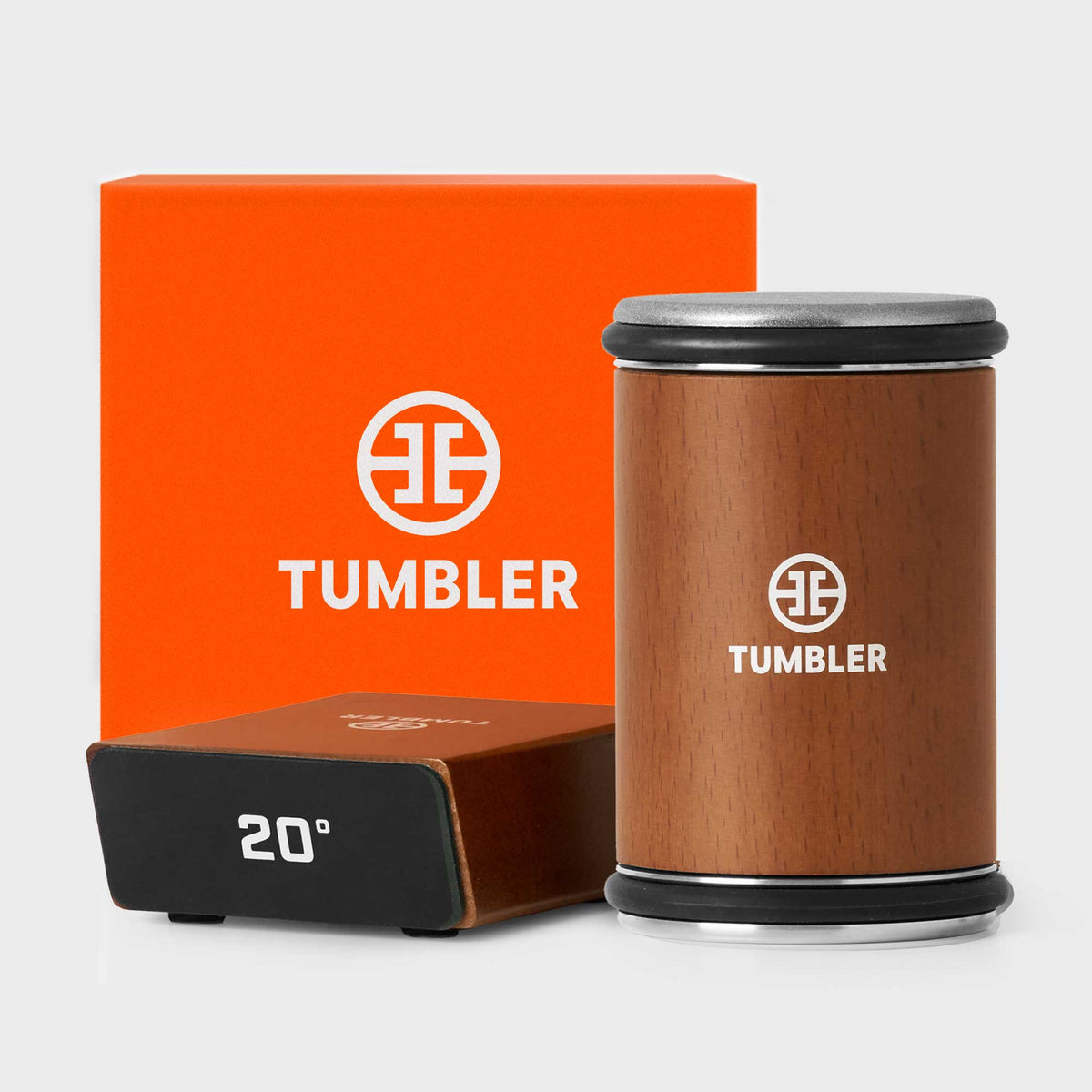
The tumbler knife sharpener is a device that uses rotating abrasive cylinders—called tumblers—to sharpen knife blades. Unlike traditional whetstones or pull-through sharpeners, the tumbler design allows the blade to be honed at a consistent angle with less effort. Most models are manual, but electric versions are also available.
A tumbler sharpener usually has:
- Two or more abrasive tumblers (coarse and fine)
- A handle or base for holding the device steady
- Guides to keep the knife at the right angle
This tool is used by home cooks, hunters, and professional chefs who want a fast and repeatable sharpening process.
How Does A Tumbler Knife Sharpener Work?
At its core, the tumbler knife sharpener works by spinning abrasive cylinders against the knife’s edge. When you slide the blade between the tumblers, the abrasives remove small amounts of metal. This creates a new, sharp edge.
Key features include:
- Consistent angle: The guides keep your knife at the correct sharpening angle.
- Multiple grits: You can start with a coarse tumbler for dull blades and finish with a fine tumbler for a razor-sharp edge.
- Safety: The design keeps your hands away from the blade, reducing the risk of injury.
This method mimics the motion of a professional sharpening wheel but in a compact, user-friendly tool.
Why Choose A Tumbler Knife Sharpener?
There are many ways to sharpen knives, but the tumbler sharpener offers unique benefits:
- Speed and convenience: Sharpening takes less time than with a whetstone.
- Consistency: Built-in angle guides reduce human error.
- Versatility: Works on kitchen knives, pocket knives, and even some scissors.
- Safety: The enclosed design protects your hands.
- Low skill requirement: No need to learn special techniques.
Most beginners struggle with holding a knife at a perfect angle. The tumbler’s guide system solves this problem. For professionals, it offers a way to maintain knives between full sharpening sessions.
Comparing Tumbler Knife Sharpeners To Other Methods
To better understand where the tumbler sharpener fits, see the comparison below:
| Sharpener Type | Ease of Use | Speed | Skill Needed | Edge Quality | Price Range |
|---|---|---|---|---|---|
| Tumbler | Very Easy | Fast | Low | Very Good | $$ |
| Whetstone | Medium | Slow | High | Excellent | $ |
| Pull-Through | Easy | Fast | Low | Good | $ |
| Electric | Very Easy | Very Fast | Low | Good | $$$ |
Types Of Tumbler Knife Sharpeners
Not all tumbler sharpeners are the same. Here are the main types:
Manual Tumbler Knife Sharpeners
These require you to slide the knife back and forth between the rotating tumblers. They are affordable, portable, and do not need electricity. Manual models are perfect for home kitchens or travel.
Electric Tumbler Knife Sharpeners
Electric versions spin the tumblers automatically. You simply guide the knife through the slots. These are faster and require less effort, but they are usually heavier and more expensive.
Single Vs. Multi-grit Tumblers
Some sharpeners use a single abrasive, while others have multiple grits. Multi-grit models allow you to start with a coarse tumbler for shaping and finish with a fine one for polishing.
Specialty Tumbler Sharpeners
A few models are designed for specific blades, such as serrated knives or scissors. Always check the product description to see what kinds of tools it supports.
Step-by-step: How To Use A Tumbler Knife Sharpener
Now, let’s walk through the sharpening process.
1. Set Up The Sharpener
- Place the tumbler sharpener on a stable, flat surface.
- If it has suction cups or clamps, secure it to prevent movement.
- Make sure the tumblers are clean and free of debris.
2. Select The Abrasive Grit
- For a very dull or damaged knife, start with the coarse tumbler.
- For regular maintenance, use the fine tumbler.
Some models have a dial or switch to select the grit; others have separate slots.
3. Position The Knife
- Hold the knife by the handle.
- Insert the blade into the guide slot, aligning it with the tumblers.
- Most guides are set at 15-20 degrees, which suits most Western and Asian kitchen knives.
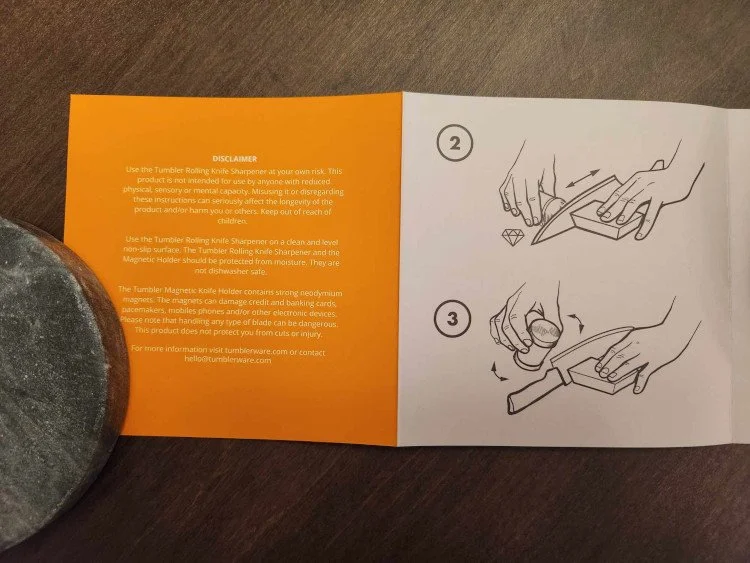
4. Sharpen The Blade
- Apply gentle, even pressure.
- Pull or push the blade through the tumblers, following the curve of the edge.
- Repeat 5-10 times, depending on the dullness of your knife.
- For double-beveled knives, repeat on both sides.
For electric models, let the machine do the work—do not force the blade.
5. Polish And Hone
- Switch to the fine tumbler for the final passes.
- This step smooths out any roughness and creates a sharp, polished edge.
6. Clean The Knife
- Wipe the blade with a damp cloth to remove metal dust.
- Dry thoroughly to prevent rust.
7. Test The Sharpness
- Carefully slice a piece of paper or a tomato. A sharp knife should cut smoothly with little pressure.
Practical Example
Imagine you have a chef’s knife that struggles to slice tomatoes. You secure your tumbler sharpener, start with the coarse tumbler for 7 passes, then finish with the fine tumbler for 5 passes. After wiping the blade, your knife now glides through tomatoes with ease.
Common Mistakes And How To Avoid Them
Even with an easy tool, mistakes happen. Here’s how to avoid the most common errors:
- Using too much pressure: Let the abrasive do the work. Excess pressure can damage the blade.
- Skipping grits: Always start with coarse if the knife is dull and finish with fine for polishing.
- Not keeping the blade straight: Tilting the blade can create an uneven edge.
- Sharpening dirty knives: Food residue can clog the tumblers and reduce effectiveness.
- Neglecting maintenance: Clean the tumblers after each use to keep them working well.
Credit: tumblerware.ca
Advanced Tips For Best Results
If you want to get the most from your tumbler knife sharpener, consider these expert tips:
- Check the angle guides: Some models allow you to adjust the sharpening angle. Match it to your knife’s factory edge (usually 15° for Asian knives, 20° for Western knives).
- Use light oil or water: On some tumblers, a drop of oil or water reduces friction and helps carry away metal filings.
- Sharpen in stages: For very dull knives, use several passes with the coarse tumbler, then several more with the fine.
- Finish with a strop: After sharpening, gently draw the blade across a leather strop to polish and align the edge.
- Sharpen regularly: Don’t wait until your knives are very dull. A few passes every month keeps them in top condition.
Maintenance And Care For Your Tumbler Knife Sharpener
To keep your sharpener working well, follow these care tips:
Cleaning
- After each use, remove metal shavings from the tumblers with a brush.
- For deeper cleaning, remove the tumblers (if possible) and wash them with warm, soapy water. Dry completely before reassembling.
Storage
- Store in a dry place to avoid rust.
- Keep out of reach of children.
Replacing Tumblers
- Over time, the abrasive surfaces wear down. Replace them according to the manufacturer’s instructions.
Inspection
- Check for cracks or loose parts before each use. Tighten screws and replace damaged components as needed.
Choosing The Right Tumbler Knife Sharpener
With many options available, it’s important to pick the right model for your needs.
Key Features To Consider
- Abrasive material: Common types include ceramic, diamond, and carbide. Diamond abrasives last longest and sharpen quickly.
- Grit levels: Look for models with at least two grits (coarse and fine).
- Angle guides: Adjustable guides offer more flexibility for different knives.
- Build quality: Metal frames last longer than plastic. Check user reviews for durability.
- Size and weight: If you travel or camp, choose a compact and lightweight model.
Price Vs. Performance
Price varies widely. Basic manual models start around $20, while high-end electric versions can cost $100 or more. For home use, a mid-range manual tumbler offers the best value.
Here’s a quick look at features for three popular models:
| Model | Abrasive Type | Grits | Adjustable Angle | Manual/Electric | Approx. Price |
|---|---|---|---|---|---|
| SharpMaster Pro | Diamond | Coarse/Fine | Yes | Manual | $60 |
| EdgeSpin 3000 | Ceramic | Fine Only | No | Electric | $120 |
| QuickSharp Home | Carbide | Coarse/Fine | No | Manual | $25 |
Common Buyer Mistakes
- Focusing only on price: Cheap models may not last or give good results.
- Ignoring angle guides: If you use different knives, adjustable guides are a must.
- Overbuying features: Electric models with many settings can be overkill for basic kitchen use.
Safety Tips When Using A Tumbler Knife Sharpener
Knife sharpening can be risky if not done carefully. Here’s how to stay safe:
- Keep fingers away from the tumblers: Always use the handle or guides.
- Do not rush: Move the blade slowly and smoothly.
- Secure the sharpener: Unstable devices can slip and cause injury.
- Wear eye protection: Metal filings can become airborne.
- Do not use on serrated blades: Unless your sharpener is made for them.
When To Sharpen Your Knives
Many people wait until their knives are very dull. This makes sharpening harder and takes more time. Instead, sharpen your knives:
- Every 1-3 months with regular use
- After heavy use (e.g., butchering meat)
- When slicing feels rough or uneven
A simple test: Try slicing a sheet of paper. If the blade tears instead of slicing cleanly, it’s time to sharpen.
Sharpening Different Types Of Knives
Most tumbler sharpeners are made for straight-edged knives, but here’s how they handle other types:
Chef’s Knives
Standard and perfect for tumbler sharpeners. Use both coarse and fine grits for best results.
Paring Knives
Smaller blades are easy to sharpen but require gentle pressure.
Pocket Knives
Many models can sharpen folding knives, but check the length of the guide.
Serrated Knives
Specialty tumbler sharpeners exist, but most cannot handle serrations. Use a separate tool.
Specialty Blades
Some Japanese knives have very thin edges. Use the finest grit and minimal pressure to avoid chipping.

Credit: www.nbcnews.com
Environmental And Longevity Considerations
A well-made tumbler knife sharpener can last for many years with basic care. Unlike electric sharpeners, manual models use little energy and create less waste. Some tumblers are recyclable at the end of their life.
Sustainability Tips
- Choose a sharpener made from durable, recyclable materials.
- Replace tumblers instead of buying a new device.
- Use only as much pressure as needed, extending tumbler life.
Real User Experiences
Many home cooks find tumbler sharpeners a game-changer. For example, John, a hobby chef, says he used to avoid sharpening because stones were too slow. With a tumbler sharpener, his knives stay razor-sharp, and he spends less than 10 minutes a month on maintenance.
Another insight: Some users notice a big difference in food prep. Slicing onions, dicing tomatoes, and even cutting crusty bread becomes easier. This not only improves cooking but also safety—sharp knives are less likely to slip.
Credit: www.mediocrechef.com
When To Seek Professional Sharpening
While tumbler sharpeners are great for regular maintenance, some situations call for expert help:
- Major blade damage: Chips, bends, or broken tips.
- Very expensive knives: To preserve the original edge.
- Specialty grinds: Japanese sushi knives or single-bevel blades.
A professional sharpener can restore a knife’s edge with specialized tools. For most users, though, a tumbler sharpener covers 90% of sharpening needs.
Frequently Asked Questions
What Is The Best Angle For Sharpening With A Tumbler Knife Sharpener?
Most tumbler sharpeners are set at 15 to 20 degrees, which suits the majority of kitchen knives. If your sharpener has adjustable guides, check your knife’s manufacturer recommendation for the best edge.
Can I Use A Tumbler Knife Sharpener On Serrated Knives?
Most tumbler sharpeners are designed for straight-edged blades. Some specialty models can handle serrated edges, but results are often less effective. For best results, use a dedicated serrated knife sharpener.
How Often Should I Clean My Tumbler Knife Sharpener?
Clean your sharpener after every use. Remove metal shavings from the tumblers and wipe the base. For deep cleaning, wash the tumblers with warm, soapy water and dry completely before reassembling.
Is A Tumbler Knife Sharpener Safe For Expensive Knives?
Yes, if you use the correct angle and minimal pressure. Some high-end knives, especially Japanese models, have thin edges. Start with the finest grit to avoid removing too much metal.
Where Can I Learn More About Knife Sharpening Techniques?
You can find more detailed information and expert advice on knife sharpening at Wikipedia.
A sharp knife makes cooking safer, faster, and more enjoyable. With the right tumbler knife sharpener and a little practice, anyone can achieve professional results at home. Remember, regular maintenance and proper technique will keep your knives in top shape for years to come.

Hello, This is Annie Walker, a 38-year-old blogger, founder, and editor of Cookware Guider from NY, USA. I am a cookware fanatic and passionate cooker. I love to cook with different types of cooking appliances (example: all types of cookware, rice cookers, slow cookers, etc) almost every day in my kitchen. I love to share my experience with my readers in my blog. Also, I enjoy helping people to solve their problems through my website. You can follow me on Twitter & Pinterest. To know details about my blog please check the about us page.