
Have you ever wondered what’s really inside your non-stick pans or cookware? You might have heard the term “PFAS” but aren’t sure what it means or why it matters to your health and kitchen safety.
Understanding PFAS in cookware can help you make smarter choices for you and your family. You’ll discover what PFAS are, why they’re used in cooking tools, and how they might affect your daily life. Keep reading to learn how to protect yourself while still enjoying your favorite meals.
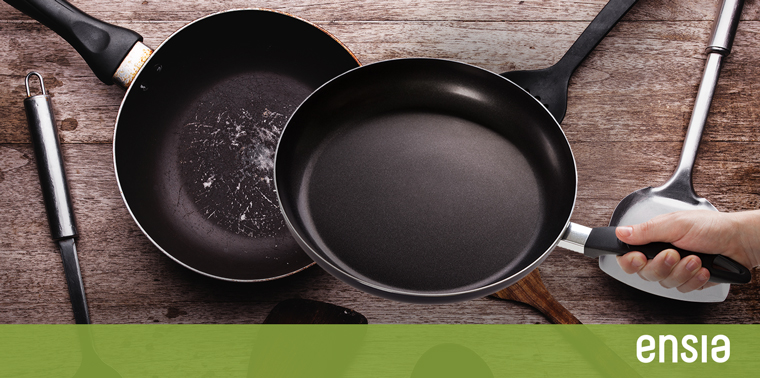
Credit: ensia.com
Pfas Chemicals In Cookware
PFAS chemicals in cookware are a group of man-made substances used to create non-stick and stain-resistant surfaces. These chemicals help food slide off pans easily and make cleaning simple. PFAS stands for per- and polyfluoroalkyl substances. They have unique properties like heat resistance and water repellency. This makes them useful in many kitchen products. But PFAS can stay in the environment and body for a long time. Some studies suggest they may cause health problems. Understanding the types of PFAS used and which cookware contains them is important for safer cooking choices.
Types Of Pfas Used
Several types of PFAS chemicals are used in cookware coatings. The most common ones belong to the group called fluoropolymers. These include:
- Polytetrafluoroethylene (PTFE): Known as Teflon, it provides a smooth, non-stick surface.
- Perfluorooctanoic acid (PFOA): Used as a processing aid but largely phased out due to health concerns.
- Perfluorooctane sulfonate (PFOS): Also mostly phased out but was used for oil and water resistance.
PTFE is the main ingredient in most non-stick cookware today. It creates a durable, slippery surface that prevents food from sticking. PFOA and PFOS were used in manufacturing but are no longer added to new products in many countries.
Here is a simple table showing key PFAS types and their roles:
| PFAS Type | Role in Cookware | Status |
|---|---|---|
| PTFE (Teflon) | Non-stick coating | Widely used |
| PFOA | Processing aid | Mostly phased out |
| PFOS | Oil/water resistance | Mostly phased out |
Newer PFAS alternatives are being developed to reduce health risks. These include shorter-chain PFAS with less persistence in the environment. Still, some concerns remain about all PFAS types. Choosing cookware with less or no PFAS is a growing trend.
Common Cookware With Pfas
Many types of cookware contain PFAS chemicals, especially non-stick options. These products use PFAS to create easy-release surfaces. Common cookware with PFAS includes:
- Non-stick frying pans: Most have a PTFE-based coating.
- Bakeware: Some baking sheets and pans use PFAS coatings for easy food release.
- Griddles and skillets: Often coated with PFAS for non-stick cooking.
- Pressure cookers and pots: Some have PFAS-lined surfaces to prevent sticking and stains.
Cookware labels usually mention “non-stick” or “Teflon” if PFAS is present. Some brands advertise PFAS-free products to meet consumer demand. Ceramic-coated pans may have no PFAS but can vary in durability.
Here is a quick summary of cookware types with PFAS:
| Cookware Type | PFAS Presence | Common Use |
|---|---|---|
| Non-stick frying pans | Yes | Frying, sautéing |
| Bakeware | Yes | Baking cakes, cookies |
| Griddles and skillets | Yes | Grilling, frying |
| Ceramic-coated pans | Usually no | Non-stick cooking |
| Stainless steel pans | No | Searing, boiling |
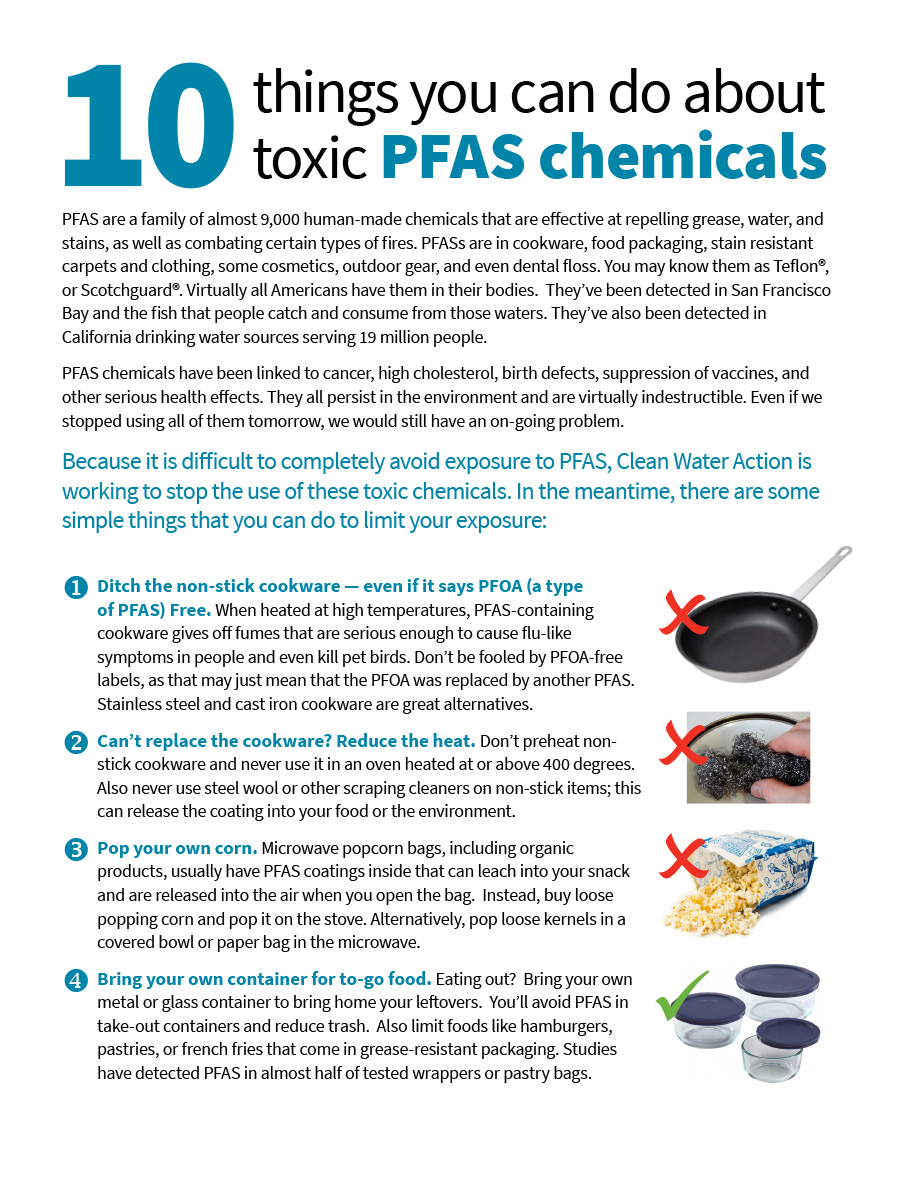
PFAS coatings improve cooking convenience but may release harmful substances if overheated or scratched. Using low to medium heat and avoiding metal utensils can extend the life of PFAS-coated cookware and reduce risk.

Credit: www.sfenvironment.org
Health Concerns Linked To Pfas
Health Concerns Linked to PFAS focus on the possible dangers these chemicals pose to human health. PFAS (per- and polyfluoroalkyl substances) are man-made chemicals used in many products, including some cookware. These substances do not break down easily and can build up in the body over time. This buildup raises worries about long-term health effects. Scientists and health experts study PFAS because they want to understand how exposure affects people.
Potential Risks From Exposure
Exposure to PFAS can happen through food, water, air, and even cookware. In cookware, PFAS may be present in non-stick coatings that release small amounts when heated. This exposure can lead to health problems. Some risks linked to PFAS include:
- Hormone disruption: PFAS can interfere with hormone levels.
- Immune system effects: They may lower the body’s ability to fight infections.
- Increased cholesterol: PFAS exposure can raise cholesterol levels.
- Developmental issues: Exposure during pregnancy may harm fetal development.
- Cancer risk: Some studies suggest a link to certain cancers.
Below is a simple table summarizing these risks:
| Health Effect | Description |
|---|---|
| Hormone Disruption | Changes in hormone balance affecting growth and metabolism |
| Immune System Effects | Lowered ability to fight diseases and infections |
| High Cholesterol | Increased levels of bad cholesterol in the blood |
| Developmental Problems | Potential harm to babies during pregnancy |
| Cancer | Possible increased risk of certain cancers |
Many experts agree that reducing PFAS exposure is wise. This is especially true for vulnerable groups like children and pregnant women.
Studies On Pfas And Health
Research on PFAS health effects is growing fast. Scientists have studied people exposed to high PFAS levels and found links to several health issues. These studies help explain how PFAS chemicals affect the body.
Key findings include:
- Long half-life: PFAS stay in the body for years, increasing risk.
- Immune response: Some studies show reduced vaccine effectiveness in children exposed to PFAS.
- Thyroid problems: PFAS may disrupt thyroid hormone production.
- Kidney and testicular cancer: Higher PFAS levels linked to these cancers in some studies.
Many health agencies, including the EPA and CDC, monitor PFAS closely. They update guidelines as new evidence appears. Below is a summary of important study results:
| Study Focus | Findings | Source |
|---|---|---|
| Immune System | Lowered vaccine response in children exposed to PFAS | CDC, 2018 |
| Cancer Risk | Increased kidney and testicular cancer risk linked to PFAS | EPA, 2020 |
| Thyroid Hormones | Disruption of thyroid hormone levels observed | NIH, 2019 |
Ongoing research aims to understand PFAS’s full impact. Meanwhile, limiting exposure remains the safest choice.
Environmental Impact Of Pfas
PFAS, or per- and polyfluoroalkyl substances, are chemicals often used in non-stick cookware coatings. These substances repel water and grease, which makes cooking easier. Yet, PFAS have a strong environmental impact. They do not break down easily and can stay in nature for many years. This causes harm to animals, plants, and even humans. Understanding the environmental impact of PFAS helps us see why using them in cookware matters beyond the kitchen.
Persistence In The Environment
PFAS are called “forever chemicals” because they resist natural breakdown. Unlike many other pollutants, PFAS do not degrade in soil, water, or air. This means they can remain in the environment for decades or longer. Their persistence causes long-term pollution problems. Even small amounts can build up over time, leading to high concentrations in certain areas.
Key facts about PFAS persistence:
- They resist heat, water, and chemicals.
- They accumulate in soil and sediment layers.
- They move easily through water, spreading pollution.
- They accumulate in living organisms, including fish and birds.
Here is a simple table showing how PFAS persist compared to other common chemicals:
| Chemical | Breakdown Time | Environmental Impact |
|---|---|---|
| PFAS | Decades to centuries | High persistence, long-term pollution |
| Common pesticides | Months to years | Moderate persistence |
| Organic waste | Days to weeks | Low persistence |
Because PFAS stay so long, their impact grows worse over time. They create lasting pollution problems in many places.
Contamination And Cleanup Challenges
PFAS contamination affects water, soil, and air. These chemicals enter the environment through factories, firefighting foam, and even old cookware. Once in the environment, PFAS spread easily. They contaminate drinking water and food chains, posing health risks to humans and wildlife.
Cleaning up PFAS is difficult and costly. Normal methods like filtering or treating water do not fully remove these chemicals. Some key cleanup challenges include:
- Detection: PFAS are hard to detect at low levels.
- Removal: Standard water treatment plants often fail to remove PFAS.
- Disposal: Safe disposal of PFAS waste is complex and expensive.
- Spread: PFAS can move from one site to another through water flow.
Common cleanup technologies and their effectiveness:
| Technology | Effectiveness | Limitations |
|---|---|---|
| Activated Carbon Filtration | Moderate | Needs frequent replacement, costly |
| Ion Exchange Resins | High | Complex disposal needed |
| Advanced Oxidation Processes | Low to Moderate | Energy-intensive, incomplete removal |
Because cleanup is hard, prevention is key. Reducing PFAS use in cookware helps limit future pollution. Choosing safer alternatives supports a cleaner environment.
Credit: cleanwater.org
Regulations And Safety Standards
PFAS (per- and polyfluoroalkyl substances) are chemicals often found in non-stick cookware. These substances help make cookware resistant to heat and sticking. Concerns about PFAS relate to their potential health risks and environmental impact. Governments and industries have set rules and standards to control PFAS use. These regulations and safety standards aim to protect consumers while allowing the benefits of non-stick cookware.
Government Guidelines
Governments worldwide have started regulating PFAS in cookware to reduce health risks. Many PFAS chemicals do not break down easily and can accumulate in the body over time. This can cause health problems such as:
- Hormone disruption
- Immune system issues
- Increased risk of cancer
To address these concerns, several guidelines exist:
- Limits on PFAS content: Some countries restrict the amount of PFAS allowed in cookware coatings.
- Labeling requirements: Cookware must often declare if PFAS are present.
- Bans on certain PFAS: Some harmful PFAS types are banned from use in consumer products.
- Testing and certification: Products must pass safety tests before sale.
Here is a simple overview of key government actions:
| Country/Region | PFAS Regulation | Focus Area |
|---|---|---|
| European Union | Bans on certain PFAS compounds | Consumer safety, environment |
| United States | Limits on PFAS in food contact materials | Health protection |
| Canada | Restrictions on long-chain PFAS | Environmental impact |
These guidelines help reduce PFAS exposure while encouraging safer product development.
Industry Responses
Cookware manufacturers react to regulations by changing materials and processes. Many companies now seek safer alternatives to traditional PFAS coatings. The industry focuses on:
- Research and development: Creating non-stick coatings free of harmful PFAS chemicals.
- Improved transparency: Clearly labeling products to inform consumers about PFAS content.
- Certification programs: Joining third-party programs that test and verify safety claims.
Common industry strategies include:
- Using ceramic or silicone-based non-stick layers
- Adopting PFAS-free coating technologies
- Offering warranties to assure product safety
Manufacturers also collaborate with regulators and scientists to meet safety standards. This cooperation helps create cookware that balances performance with health concerns.
Below is a summary of industry actions:
| Action | Description | Benefit |
|---|---|---|
| PFAS-free coatings | Replacing PFAS with safer materials | Reduced health risks |
| Clear labeling | Informing buyers about chemical use | Better consumer choices |
| Third-party certification | Independent safety verification | Increased trust |
Alternatives To Pfas-coated Cookware
Alternatives to PFAS-coated cookware provide safer and eco-friendly choices for cooking. PFAS (per- and polyfluoroalkyl substances) are chemicals used to create nonstick surfaces. These chemicals can release harmful compounds when heated. Choosing cookware without PFAS helps reduce exposure to these substances. Many brands now offer options that avoid PFAS but still give good cooking results. This guide covers popular non-PFAS nonstick options and safe materials for cookware. It helps find healthy alternatives without sacrificing ease or quality in the kitchen.
Non-pfas Nonstick Options
Non-PFAS nonstick cookware uses different coatings to prevent food from sticking. These options often rely on natural materials or safer synthetic coatings. They offer easy cleaning and good cooking performance without the risks tied to PFAS chemicals.
- Ceramic Coatings: Made from inorganic minerals, ceramic coatings are free from PFAS and PFOA. They provide a smooth surface that resists sticking. Ceramic pans heat quickly but may lose nonstick properties faster than traditional coatings.
- Silicone Coatings: Silicone is a safe, flexible material used in some nonstick cookware. It works well for baking mats and some pans but is less common for frying or sautéing due to heat limits.
- Seasoned Cast Iron: Natural seasoning creates a nonstick surface without chemicals. It improves with use and can last for decades. Cast iron also adds iron to food, which benefits health.
- Enameled Cast Iron: Cast iron coated with enamel avoids PFAS. It is easy to clean and does not react with acidic foods.
| Type | Advantages | Considerations |
|---|---|---|
| Ceramic Coated | Non-toxic, good heat distribution, easy cleanup | Less durable, can chip or wear off |
| Silicone Coated | Safe, flexible, good for baking | Not suitable for high heat frying |
| Seasoned Cast Iron | Durable, natural nonstick, adds iron | Heavy, requires maintenance |
| Enameled Cast Iron | No seasoning needed, easy cleaning | Can be expensive, heavy |
Safe Materials For Cookware
Choosing safe materials for cookware ensures healthy meals without chemical risks. These materials do not contain PFAS and usually last long with proper care. They also maintain food flavor and quality.
Common safe cookware materials include:
- Stainless Steel: Durable, non-reactive, and free of harmful chemicals. Ideal for browning, sautéing, and boiling. It does not release toxins or affect food taste.
- Cast Iron: Strong and long-lasting. Naturally nonstick when seasoned well. It can improve iron intake and withstands high heat.
- Glass: Non-toxic and does not react with food. Best for baking and slow cooking. Glass cookware allows easy monitoring of food while cooking.
- Copper: Excellent heat conductor. Often lined with stainless steel to avoid metal reaction. It heats evenly and quickly.
Here is a comparison table for safe cookware materials:
| Material | Key Features | Best Uses |
|---|---|---|
| Stainless Steel | Non-reactive, durable, low maintenance | Searing, boiling, frying |
| Cast Iron | Retains heat, naturally nonstick, adds iron | Frying, baking, slow cooking |
| Glass | Non-toxic, see-through, easy cleaning | Baking, reheating, slow cooking |
| Copper | Quick heat response, aesthetic look | Sauces, sautéing, precise cooking |
Tips For Choosing Cookware
Choosing the right cookware is important for healthy cooking and safety. Many cookware products contain chemicals called PFAS. These chemicals can harm health if they get into food. Knowing how to pick cookware without harmful PFAS helps protect your family. Follow these simple tips to make smart choices and reduce risks.
Reading Labels And Certifications
Always check the labels on cookware before buying. Look for words like “PFAS-free” or “PFOA-free”. These labels mean the product does not contain certain harmful chemicals. Some brands use special coatings without PFAS, so reading labels helps find safer options.
Certifications also show if cookware meets safety standards. Common certifications include:
- FDA Approval: Shows the cookware is safe for food contact.
- GreenGuard: Ensures low chemical emissions.
- NSF Certification: Confirms the product meets strict health standards.
Here is a quick comparison table for labels and certifications:
| Label/Certification | What It Means | Why It Matters |
|---|---|---|
| PFAS-Free | No harmful PFAS chemicals | Reduces chemical exposure |
| PFOA-Free | No PFOA chemical used | Lower health risks |
| FDA Approved | Safe for food use | Protects food safety |
| GreenGuard | Low chemical emissions | Better indoor air quality |
| NSF Certified | Meets health standards | Ensures product safety |
Choose cookware with clear labels and trusted certifications. Avoid products without any safety information. This helps reduce contact with harmful PFAS chemicals during cooking.
Maintenance To Reduce Exposure
Proper care of cookware can lower the chance of PFAS chemicals leaking into food. Follow these simple maintenance steps:
- Avoid overheating: High heat can break down coatings and release chemicals.
- Use wooden or silicone utensils: Metal tools can scratch non-stick surfaces.
- Hand wash cookware: Dishwashers can damage coatings and increase chemical release.
- Replace damaged cookware: Scratched or peeling surfaces may release more PFAS.
Here is a quick maintenance checklist:
- Cook on low to medium heat
- Use gentle cleaning sponges
- Dry cookware thoroughly after washing
- Store carefully to avoid scratches
Good maintenance extends cookware life and keeps it safer for cooking. It reduces the risk of harmful chemicals mixing with food. Small habits like gentle cleaning and careful use make a big difference.
Frequently Asked Questions
What Is Pfas In Cookware?
PFAS are synthetic chemicals used to make cookware non-stick and heat-resistant. They can release toxic fumes when overheated, posing health risks.
Are Pfas Chemicals Harmful In Cookware?
Yes, PFAS chemicals can be harmful. Prolonged exposure may lead to health issues like hormonal disruption and cancer risk.
How To Identify Pfas-free Cookware?
Look for labels stating “PFAS-free” or “PFOA-free. ” Choose ceramic, stainless steel, or cast iron cookware to avoid PFAS.
Can Pfas Leach Into Food From Cookware?
Yes, PFAS can leach into food if cookware is scratched or overheated. Using undamaged, low-heat cookware reduces this risk.
Conclusion
PFAS in cookware can affect your health and food safety. Many non-stick pans use these chemicals to prevent sticking. Some studies show PFAS may cause health problems over time. Choosing cookware without PFAS can reduce risks. Look for labels that say “PFAS-free” or “PFOA-free.
” Cleaning and caring for your pans helps them last longer. Knowing what’s in your cookware helps you make safer choices. Your health matters. Cook smart and stay informed.

Hello, This is Annie Walker, a 38-year-old blogger, founder, and editor of Cookware Guider from NY, USA. I am a cookware fanatic and passionate cooker. I love to cook with different types of cooking appliances (example: all types of cookware, rice cookers, slow cookers, etc) almost every day in my kitchen. I love to share my experience with my readers in my blog. Also, I enjoy helping people to solve their problems through my website. You can follow me on Twitter & Pinterest. To know details about my blog please check the about us page.