
When you cook, your cookware matters more than you might think. If you’ve been wondering, “Is Anolon cookware safe?” you’re not alone.
You want to make sure the pans and pots you use won’t harm your health or ruin your meals. This guide will help you understand what’s inside Anolon cookware and whether it’s a smart choice for your kitchen. Keep reading to discover the facts that will give you peace of mind every time you cook.
Credit: www.liftingitalia.com
Anolon Cookware Materials
When discussing Is Anolon Cookware Safe, understanding the materials used in Anolon cookware is key. Anolon products are known for their quality and durability, which largely depends on the metals and coatings they use. These materials impact not only cooking performance but also safety and health. This section explores the types of metals Anolon uses and the components of its nonstick coatings to help you make an informed decision.
Types Of Metals Used
Anolon cookware primarily uses high-quality metals designed for even heat distribution and long-lasting performance. The most common metals in their products include:
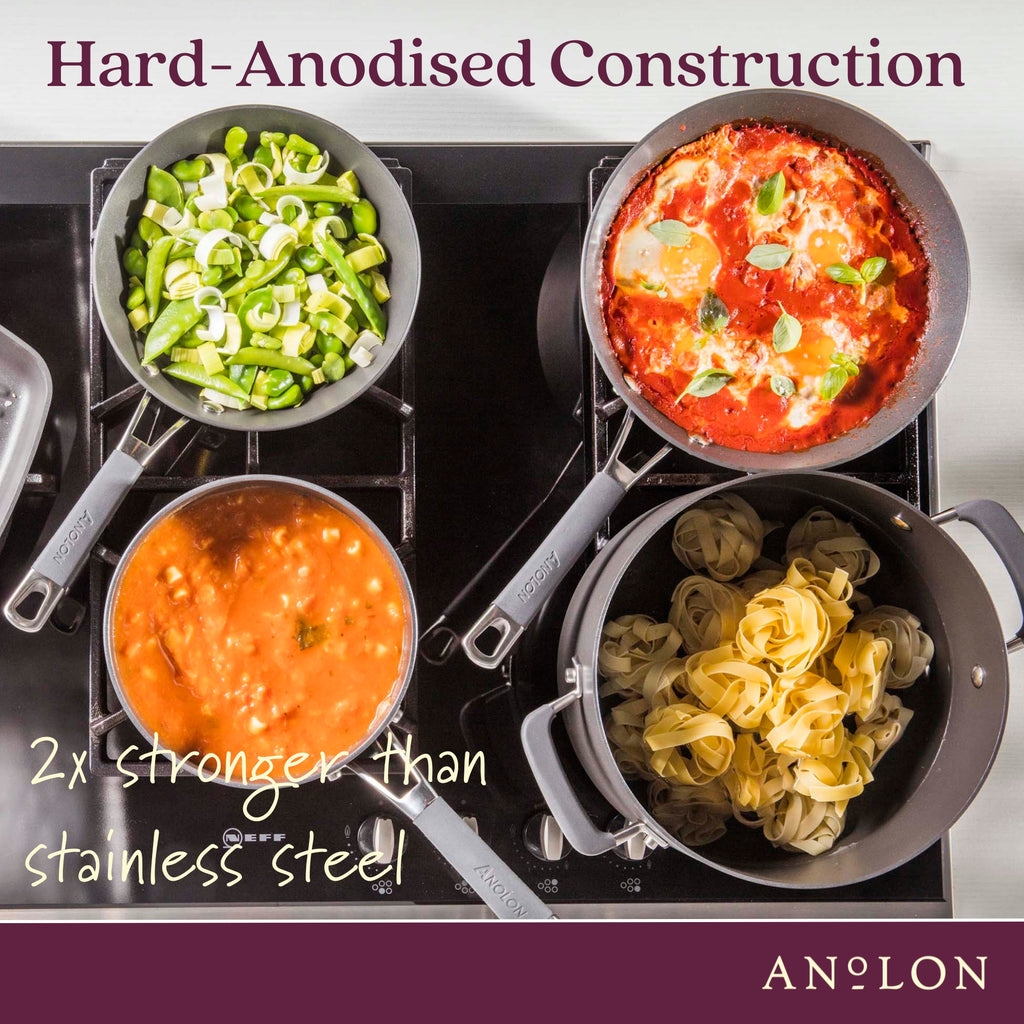
- Hard-Anodized Aluminum: This metal is aluminum treated to create a hard, durable surface. It resists scratches and corrosion, making it a popular choice for cookware.
- Stainless Steel: Some Anolon lines use stainless steel, known for its strength and resistance to rust. It provides a classic look and works well with various heat sources.
- Aluminum Core: Many stainless steel pans have an aluminum core inside. This core helps spread heat evenly across the cooking surface.
Below is a table comparing these metals based on key factors:
| Metal Type | Heat Distribution | Durability | Maintenance |
|---|---|---|---|
| Hard-Anodized Aluminum | Excellent | High | Easy to clean |
| Stainless Steel | Good (with aluminum core) | Very High | Requires more care to avoid stains |
These metals are chosen to ensure safety, durability, and cooking efficiency. Hard-anodized aluminum is non-reactive, so it does not leach metals into food. Stainless steel is also safe and does not react with acidic or alkaline foods.
Nonstick Coating Components
Anolon is famous for its nonstick cookware, which features special coatings to prevent food from sticking. These coatings enhance cooking and cleaning experiences. The main components of Anolon’s nonstick layers include:
- PTFE (Polytetrafluoroethylene): A widely used, safe nonstick material. It prevents food from sticking and makes cleaning easy.
- Reinforced Ceramic: Some Anolon products use ceramic-based coatings that are free from PTFE and PFOA. They offer a natural nonstick surface.
- Protective Layers: Multiple layers improve durability and resistance to scratches.
The table below summarizes these components and their benefits:
| Coating Component | Safety | Durability | Cleaning |
|---|---|---|---|
| PTFE | Safe below 500°F | Good with gentle use | Very easy |
| Ceramic | Free from PFOA and PTFE | Moderate | Easy |
Importantly, Anolon cookware is made without PFOA, a chemical linked to health risks. The company follows strict standards to ensure coatings do not release harmful substances under normal cooking conditions.
Users should avoid overheating nonstick pans above 500°F to maintain safety and coating integrity.
Credit: breezeresidency.com
Health And Safety Standards
Health and safety standards are key to deciding if Anolon cookware is safe to use daily. These standards help ensure the cookware does not release harmful substances into food or pose health risks. Understanding the rules and tests Anolon follows can give confidence in its safety and quality. Safety means no toxic chemicals, strong materials, and good manufacturing practices.
Fda And Epa Regulations
Anolon cookware meets strict rules set by the FDA (Food and Drug Administration) and EPA (Environmental Protection Agency). These agencies protect people from unsafe chemicals in food and the environment. The FDA controls materials that touch food, like cookware coatings. The EPA limits harmful chemicals that can pollute air and water during production.
Key points about FDA and EPA rules for Anolon cookware:
- FDA approval: The non-stick coatings and metals used are FDA-approved for food contact.
- No PFOA: Anolon cookware is made without PFOA, a harmful chemical banned by the EPA.
- Safe coatings: The non-stick surface resists scratching and chemical breakdown.
- Lead and cadmium free: Tested to have no dangerous heavy metals in the surface.
| Agency | Role | Requirement for Cookware |
|---|---|---|
| FDA | Food safety | Safe materials for food contact, no harmful chemicals |
| EPA | Environmental safety | Bans toxic chemicals like PFOA during manufacturing |
Following these rules means Anolon cookware is safe to use every day. It does not release chemicals that can harm health or the environment. This compliance shows the brand cares about safety and consumer health.
Certifications And Testing
Anolon cookware undergoes many tests to prove safety and durability. Certifications from trusted labs confirm the products meet high standards. Testing checks the cookware’s resistance to heat, chemicals, and wear. These tests also check if any toxic substances can leach into food.
Common tests and certifications for Anolon cookware include:
- PTFE and PFOA-free certification: Ensures non-stick coatings do not contain harmful chemicals.
- Heat resistance test: Checks if cookware can handle high cooking temperatures without damage.
- Heavy metals test: Confirms no lead, cadmium, or other metals leach into food.
- Durability test: Measures scratch resistance and coating lifespan.
Certifications come from labs such as:
- SGS
- Intertek
- UL (Underwriters Laboratories)
| Test or Certification | Purpose | Result for Anolon |
|---|---|---|
| PTFE/PFOA-free | Safety of non-stick coating | Passed |
| Heat resistance | Withstands cooking temperatures | Passed |
| Heavy metals | No toxic metal leaching | Passed |
| Durability | Long-lasting surface | Passed |
These tests prove Anolon cookware is safe, reliable, and long-lasting. Consumers can trust the brand for healthy cooking without chemical risks.
Potential Risks And Concerns
Choosing cookware is important for health and safety in the kitchen. Anolon cookware is popular for its nonstick surface and stylish design. Still, some concerns exist about its safety and durability. This section explores potential risks and concerns related to Anolon cookware. Understanding these factors helps users make informed decisions and maintain their cookware safely.
Chemical Exposure
Anolon cookware uses a nonstick coating, often made from PTFE (polytetrafluoroethylene). This coating helps food not stick and makes cooking easier. But some people worry about chemicals released from the coating during cooking.
Key points about chemical exposure:
- PTFE is safe at normal cooking temperatures, usually below 500°F (260°C).
- High heat can cause the coating to break down and release fumes.
- These fumes can cause flu-like symptoms in rare cases, called “polymer fume fever.”
- Anolon cookware is PFOA-free, a chemical once linked to health risks.
- Proper use, like avoiding empty heating and high temperatures, reduces risks.
The table below shows temperature safety for PTFE coatings:
| Temperature | Effect on PTFE |
|---|---|
| Below 500°F (260°C) | Safe, no harmful fumes released |
| 500°F – 660°F (260°C – 350°C) | Possible breakdown, minor fumes |
| Above 660°F (350°C) | Coating breaks down, fumes released |
Tips to avoid chemical risks:
- Cook on medium or low heat.
- Do not preheat an empty pan.
- Use proper ventilation while cooking.
- Replace cookware if coating peels or chips.
Durability And Wear
Durability is a common concern for nonstick cookware like Anolon. Over time, the nonstick surface can wear out. This wear affects cooking performance and may lead to small flakes in food.
Factors affecting durability:
- Type of cooking utensils used: metal tools can scratch the surface.
- Dishwasher cleaning can erode the coating faster.
- Frequent high heat exposure reduces lifespan.
- Proper care extends the life of the cookware.
Below is a simple care guide to keep Anolon cookware durable:
- Use wooden, silicone, or plastic utensils only.
- Hand wash with mild detergent and soft sponge.
- Store carefully to avoid scratches.
- Avoid sudden temperature changes to prevent warping.
Even with good care, the coating may last 3 to 5 years depending on use. Scratched or worn cookware should be replaced to avoid ingesting particles and to maintain cooking quality.
User Experiences
Many people wonder about the safety of Anolon cookware before buying. User experiences provide real insight into its performance and safety. Reviews from customers show how the cookware behaves in daily use. These experiences help others decide if Anolon is the right choice for their kitchen. Users share thoughts on durability, non-stick coating, and heat distribution. Their feedback reveals both strengths and weaknesses of Anolon cookware.
Customer Reviews
Most customers praise Anolon cookware for its sturdy build and easy cleaning. The non-stick surface often receives positive remarks for smooth cooking and quick food release. Users find the handles comfortable and well-attached, adding safety during cooking. Many note that the cookware heats evenly, which improves cooking results.
- Easy to clean: Food rarely sticks, reducing scrubbing time.
- Durable materials: The pans stay in good shape after months of use.
- Comfortable handles: Provide a secure grip, preventing accidents.
- Even heating: Helps cook food uniformly without hot spots.
Some users also highlight the stylish design that fits well in modern kitchens. Below is a summary table of common positive points from customer reviews:
| Feature | User Feedback |
|---|---|
| Non-stick coating | Reliable and lasts long with gentle care |
| Build quality | Heavy and solid, feels premium |
| Heat distribution | Consistent heat across the surface |
| Design | Modern look, easy to store |
Common Complaints
Some users report issues with Anolon cookware despite its many benefits. The most frequent complaint is the non-stick coating wearing out after several months. This causes food to stick and cooking to become harder. A few customers mention the coating chipping or peeling, which raises safety concerns.
- Coating durability: Can degrade with metal utensils or harsh cleaning.
- Weight: Some find the pans heavy and hard to handle.
- Price: Higher cost compared to similar cookware brands.
- Heat retention: Takes longer to cool down after cooking.
Here is a table showing common issues and their frequency based on user feedback:
| Issue | Reported By | Impact |
|---|---|---|
| Non-stick coating wear | 40% of users | Reduced cooking ease, potential safety risk |
| Heavy weight | 25% of users | Less comfortable to use for long times |
| Price concerns | 20% of users | Seen as expensive for some budgets |
| Heat retention | 15% of users | Longer cooling times after cooking |
Care And Maintenance Tips
Taking good care of Anolon cookware helps keep it safe and lasts longer. Proper maintenance prevents damage and keeps the nonstick surface working well. Following simple care steps protects your health and your pans. This section shares easy tips to clean and use Anolon pots and pans safely.
Cleaning Methods
Cleaning Anolon cookware correctly preserves the nonstick coating and avoids scratches. Use warm, soapy water and a soft sponge or cloth. Avoid harsh scrubbers or steel wool, which damage the surface.
- Wash by hand instead of using a dishwasher to protect the coating.
- Let the cookware cool before washing to prevent warping.
- For stuck-on food, soak the pan in warm water for 10-15 minutes before cleaning.
- Use mild dish soap only. Avoid bleach or strong chemicals.
Here is a simple cleaning guide for Anolon cookware:
| Step | Method | Reason |
|---|---|---|
| 1 | Cool pan to room temperature | Prevents warping from temperature shock |
| 2 | Use soft sponge with warm soapy water | Protects the nonstick surface |
| 3 | Soak stubborn residue before scrubbing | Eases cleaning without scratching |
| 4 | Dry thoroughly with a soft towel | Prevents water spots and rust on rims |
Regular gentle cleaning keeps Anolon pans safe and effective for cooking.
Proper Usage To Ensure Safety
Using Anolon cookware properly protects its surface and your health. Avoid overheating pans beyond medium-high heat. High heat can break down the nonstick coating and release harmful fumes.
- Use wooden, silicone, or plastic utensils to avoid scratching.
- Avoid metal spoons or forks on the nonstick surface.
- Do not use cooking sprays; they leave sticky residue over time.
- Preheat pans empty on low to medium heat only.
- Do not place hot cookware under cold water to prevent damage.
Here is a quick checklist for safe Anolon use:
- Cook on low to medium heat.
- Use non-metal utensils.
- Avoid cooking sprays; use oil or butter instead.
- Preheat pans slowly and empty.
- Cool before washing.
Following these tips keeps Anolon cookware safe and extends its life. It also ensures your food stays healthy and tasty.

Credit: anolon.com
Comparing Anolon To Other Brands
Choosing safe cookware is essential for healthy cooking. Anolon cookware is popular, but how does it compare to other brands? This section examines Anolon’s safety features and material differences. It helps to understand if Anolon meets or exceeds safety standards used by other cookware brands. Clear comparisons make it easier to select the right cookware for your kitchen.
Safety Features
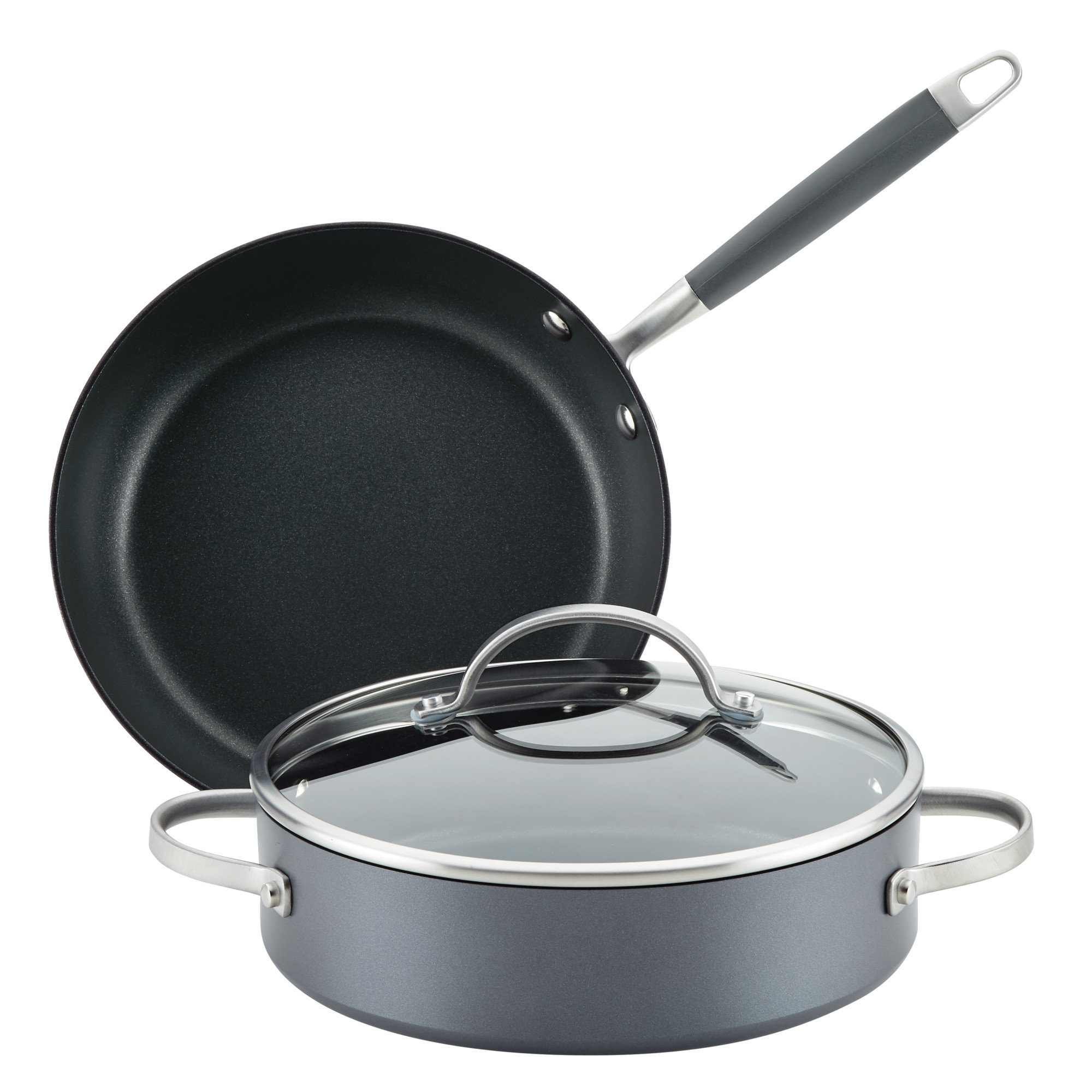
Anolon cookware focuses on safety by using non-toxic coatings and sturdy construction. Many brands offer non-stick surfaces, but Anolon uses a special hard-anodized finish that resists scratches and peeling.
- PTFE and PFOA free: Anolon does not use harmful chemicals like PFOA in its coatings.
- Heat resistance: Handles and lids withstand high cooking temperatures safely.
- Oven safe: Most Anolon pieces can be used in the oven up to 500°F.
- Secure handles: Riveted and ergonomic handles prevent accidents.
Compared to many other brands, Anolon provides detailed safety information and tests products for durability. Some brands still use older non-stick coatings that may release toxins at high heat. Anolon’s coatings are designed to avoid this risk.
| Feature | Anolon | Generic Non-Stick Brand |
|---|---|---|
| PTFE/PFOA Free | Yes | Varies |
| Scratch Resistance | High | Low to Medium |
| Oven Safe Temperature | Up to 500°F | Up to 350°F |
| Handle Security | Riveted, ergonomic | Often glued or less sturdy |
Material Differences
Anolon uses hard-anodized aluminum for most cookware. This material is stronger and more durable than regular aluminum. It heats evenly and resists warping.
Other brands may use:
- Regular aluminum – lighter but less durable
- Stainless steel – very durable but slower to heat
- Ceramic coatings – natural but less scratch-resistant
Hard-anodized aluminum has advantages:
- Non-reactive surface: It does not react with acidic foods.
- Even heat distribution: Prevents hot spots and burning.
- Durability: Lasts longer without dents or warping.
Comparison of materials:
| Material | Durability | Heat Distribution | Maintenance |
|---|---|---|---|
| Hard-Anodized Aluminum (Anolon) | High | Excellent | Easy, hand wash preferred |
| Regular Aluminum | Medium | Good | Hand wash, prone to scratching |
| Stainless Steel | Very High | Fair | Dishwasher safe |
| Ceramic Coating | Medium | Good | Delicate, avoid metal utensils |
The material choice affects cooking style and cookware lifespan. Anolon balances performance and safety well through its material selection.
Frequently Asked Questions
Is Anolon Cookware Non-toxic And Safe To Use?
Anolon cookware is made with PFOA-free nonstick coatings, ensuring it’s non-toxic. It’s safe for daily cooking without harmful chemical risks.
Can Anolon Cookware Withstand High Cooking Temperatures?
Yes, Anolon cookware is designed to handle high heat safely. However, avoid overheating above manufacturer’s recommended temperatures to preserve nonstick coating.
Is Anolon Safe For Use On Induction Cooktops?
Some Anolon cookware models are induction compatible. Check product specifications to confirm if your Anolon pan supports induction cooking.
Does Anolon Cookware Release Harmful Chemicals When Scratched?
Anolon’s nonstick coating is durable but can wear with heavy scratching. Avoid metal utensils to prevent coating damage and chemical release.
Conclusion
Anolon cookware uses quality materials that are generally safe for cooking. Its nonstick coating helps reduce the need for oil or butter. The pans heat evenly, which protects your food from burning. Just avoid overheating to keep the coating intact.
Regular care and cleaning also extend the cookware’s life. Many cooks trust Anolon for everyday use. So, it offers a reliable option for safe cooking. You can enjoy your meals without worry. A good choice for a healthy kitchen.

Hello, This is Annie Walker, a 38-year-old blogger, founder, and editor of Cookware Guider from NY, USA. I am a cookware fanatic and passionate cooker. I love to cook with different types of cooking appliances (example: all types of cookware, rice cookers, slow cookers, etc) almost every day in my kitchen. I love to share my experience with my readers in my blog. Also, I enjoy helping people to solve their problems through my website. You can follow me on Twitter & Pinterest. To know details about my blog please check the about us page.