
Choosing the right cookware can change the way you cook—and enjoy your meals. When it comes to ceramic or granite cookware, you might be wondering which one fits your kitchen best.
Each has its own benefits, but which one will make your cooking easier, healthier, and more enjoyable? You’ll discover the key differences, pros, and cons that will help you decide exactly what your kitchen needs. Keep reading to find out which cookware will truly elevate your cooking experience.
Material Properties
Choosing between ceramic and granite cookware often depends on their material properties. These properties determine durability, cooking efficiency, and safety. Understanding the composition and how these materials handle heat helps you pick the right cookware for your kitchen. Both ceramic and granite have unique traits. These traits affect cooking performance and maintenance.
Composition Of Ceramic Cookware
Ceramic cookware is made from natural materials such as clay and minerals. It often contains a mix of silica, quartz, and other elements. The base material is shaped and then fired at high temperatures to harden it.
Key features of ceramic cookware composition:
- Made mostly from natural clay and inorganic minerals
- Coated with a smooth, non-stick ceramic glaze
- Free from synthetic chemicals like PTFE and PFOA
- Non-porous surface prevents food from sticking
- Resistant to acidic and alkaline foods
The ceramic glaze is important. It creates a smooth cooking surface that is easy to clean. Ceramic cookware can withstand moderate to high heat but is sensitive to sudden temperature changes. The natural minerals offer a safe, chemical-free cooking experience.
| Component | Function |
|---|---|
| Clay | Forms the base structure |
| Silica and Quartz | Add strength and heat resistance |
| Ceramic Glaze | Provides non-stick surface and durability |
Composition Of Granite Cookware
Granite cookware is not made from actual granite stone. Instead, it features a metal base coated with a granite-like finish. This finish is usually a mix of non-stick materials combined with small particles that resemble granite.
Main aspects of granite cookware composition:
- Metal core, often aluminum or stainless steel
- Coating includes a non-stick layer with stone particles
- Stone particles add scratch resistance and durability
- Non-stick layer helps with food release and cleaning
- Coating is often reinforced with ceramic or titanium
This layered structure offers strong heat conduction from the metal core. The granite-like coating adds toughness and a natural look. Granite cookware is generally heavier than ceramic but more resistant to chipping and cracking.
| Layer | Purpose |
|---|---|
| Metal Core (Aluminum/Stainless Steel) | Provides heat conduction and strength |
| Non-stick Granite Coating | Prevents food from sticking and adds durability |
| Stone Particles | Enhance scratch resistance and appearance |
Heat Retention And Distribution
Heat retention and distribution are crucial for even cooking. Both ceramic and granite cookware perform differently in these areas.
Ceramic cookware:
- Heats up slower but holds heat well
- Distributes heat evenly over the cooking surface
- Good for slow cooking and simmering
- Can crack if exposed to sudden temperature changes
Ceramic’s natural minerals store heat, making it ideal for steady, gentle cooking. It avoids hot spots that burn food.
Granite cookware:
- Heats up quickly because of metal core
- Distributes heat rapidly and evenly
- Maintains temperature well during cooking
- More resistant to thermal shock than ceramic
The metal core in granite cookware speeds up cooking and helps with frying or searing. The granite coating prevents food from sticking and protects the pan’s surface.
| Property | Ceramic Cookware | Granite Cookware |
|---|---|---|
| Heat-up Speed | Slow | Fast |
| Heat Retention | Good | Moderate |
| Heat Distribution | Even | Even |
| Resistance to Thermal Shock | Low | High |
Durability And Maintenance
Durability and maintenance are key factors when choosing between ceramic and granite cookware. Both types promise strong performance but differ in how they handle daily use. Understanding their resistance to damage, cleaning needs, and lifespan helps make a smart choice for your kitchen. This section explores these aspects to guide you toward cookware that lasts longer and stays easier to care for.
Scratch And Chip Resistance
Ceramic cookware has a smooth, glass-like coating that is prone to scratches and chips if not handled carefully. Using metal utensils or dropping the cookware can damage its surface. Once scratched, the cookware loses its non-stick property and may harbor bacteria in the damaged areas.
Granite cookware, often made with a stone-derived coating, generally offers better resistance to scratches and chips. Its rougher texture can withstand metal utensils better than ceramic but is not completely immune to damage. Both types require gentle use to maintain their surface quality.
- Ceramic: More delicate; avoid metal tools and sudden temperature changes.
- Granite: More durable; better scratch resistance but still handle with care.
| Feature | Ceramic Cookware | Granite Cookware |
|---|---|---|
| Scratch Resistance | Moderate; easily scratched by metal utensils | High; resists scratches better |
| Chip Resistance | Low; prone to chipping on impact | Moderate; less likely to chip but possible |
Cleaning Tips
Cleaning ceramic and granite cookware properly helps keep them in good shape and extends their life. Both types require gentle cleaning methods to avoid surface damage.
Use warm soapy water and a soft sponge for daily cleaning. Avoid harsh scrubbers or steel wool, which can scratch the surface. For stubborn food, soak the cookware before washing.
Special care tips:
- Do not use abrasive cleaners or bleach.
- Dry cookware immediately after washing to prevent water spots.
- Occasionally, use a baking soda paste for tough stains.
- Do not put ceramic cookware in the dishwasher frequently; hand washing is better.
Granite cookware usually handles dishwasher cycles better, but hand washing is still recommended for the best results. Avoid sudden temperature changes during cleaning, which may cause cracking or warping.
Longevity Comparison
Ceramic cookware lasts well if treated gently and cleaned carefully. Its lifespan depends on avoiding scratches and chips, as damaged surfaces reduce cookware usability. Expect ceramic cookware to last 1-3 years with regular home use.
Granite cookware tends to last longer due to its tougher surface. It resists scratches and chips better, maintaining cooking quality over time. Granite cookware can last 3-5 years or more with proper care.
| Cookware Type | Average Lifespan | Factors Affecting Longevity |
|---|---|---|
| Ceramic | 1-3 years | Surface scratches, chips, cleaning methods |
| Granite | 3-5+ years | Surface durability, handling, cleaning |
Both cookware types benefit from careful use. Avoid dropping, metal utensils, and harsh cleaning to extend their life. Granite offers a longer-lasting option but requires similar care to keep it performing well.
Cooking Performance
Cooking performance defines how well cookware handles heat, food release, and cooking styles. Both ceramic and granite cookware offer unique advantages. Choosing the right one depends on how you cook and what results you expect. This section explores their cooking performance through key factors: non-stick capabilities, heat tolerance, and suitability for different cooking methods.
Non-stick Capabilities
Non-stick quality affects how easily food comes off the pan and how much oil you need. Ceramic cookware uses a natural, silica-based coating that creates a smooth surface. Granite cookware usually has a stone-like coating reinforced with minerals for durability.
Ceramic cookware:
- Offers excellent non-stick surface initially
- Works well for cooking eggs, pancakes, and delicate foods
- Can lose non-stick quality over time if overheated
- Requires gentle cleaning to maintain coating
Granite cookware:
- Has a rougher texture but still non-stick
- Better scratch resistance than ceramic
- Usually coated with multiple layers for durability
- Handles metal utensils better without damage
| Feature | Ceramic Cookware | Granite Cookware |
|---|---|---|
| Initial Non-stick | High | Moderate to High |
| Durability of Coating | Moderate | High |
| Scratch Resistance | Low to Moderate | High |
Summary: Ceramic is smooth and very non-stick at first. Granite is tougher and keeps non-stick longer.
Heat Tolerance
Heat tolerance shows how well cookware handles high and low temperatures without damage. This affects cooking speed and pan lifespan.
Ceramic cookware:
- Safe up to about 450°F (232°C)
- Can crack if exposed to sudden temperature changes
- Not recommended for very high heat cooking
- Best for low to medium heat settings
Granite cookware:
- Handles higher heat, often up to 500°F (260°C) or more
- Resists thermal shock better than ceramic
- Good for searing, frying, and oven use
- Maintains shape and coating at higher temperatures
| Heat Property | Ceramic Cookware | Granite Cookware |
|---|---|---|
| Max Heat | 450°F (232°C) | 500°F (260°C)+ |
| Thermal Shock Resistance | Low | High |
| Suitability for High Heat Cooking | Limited | Excellent |
Summary: Granite cookware offers better heat tolerance. Ceramic is safer at moderate heat levels.
Suitability For Different Cooking Methods
Different cooking methods demand specific cookware traits. Non-stick, heat tolerance, and durability matter here.
Ceramic cookware is ideal for:
- Light sautéing and stir-frying
- Cooking eggs, pancakes, and fish
- Simmering sauces at low heat
- Slow cooking and reheating
Granite cookware excels at:
- High-heat frying and searing meats
- Baking in the oven due to heat resistance
- Grilling on stovetop grills
- General-purpose cooking with tougher foods
| Cooking Method | Ceramic Cookware | Granite Cookware |
|---|---|---|
| Low Heat Simmering | Excellent | Good |
| High Heat Frying | Not Recommended | Excellent |
| Oven Use | Limited | Good to Excellent |
| Delicate Food Cooking | Excellent | Good |
Summary: Choose ceramic for gentle cooking. Select granite for versatile and high-heat cooking.
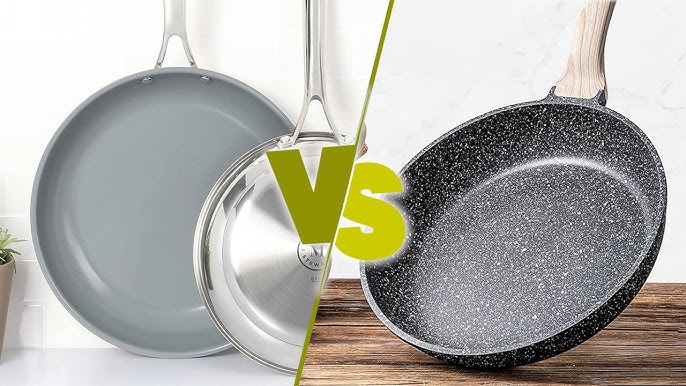
Credit: www.youtube.com
Health And Safety
Choosing between ceramic and granite cookware often raises questions about health and safety. Both types of cookware offer unique benefits, but understanding how they interact with food and your body is crucial. This section explores important health aspects, including chemical coatings, allergens, and food reactivity, to help you make a safer choice for your kitchen.
Chemical Coatings And Toxins
Ceramic and granite cookware use different coatings, which affect safety levels. Ceramic cookware usually has a natural, non-stick surface made from inorganic materials. It rarely contains harmful chemicals like PFOA or PTFE, which are common in some non-stick pans.
Granite cookware often has a coating that mimics the look of natural stone. It may include a non-stick layer made from chemicals. The safety of this coating depends on the brand and quality.
- Ceramic cookware: Typically free from harmful chemicals.
- Granite cookware: May contain non-stick coatings with chemicals.
Here is a quick comparison:
| Cookware Type | Chemicals Used | Health Risk | Heat Resistance |
|---|---|---|---|
| Ceramic | Inorganic, no PFOA/PTFE | Low | High |
| Granite | May contain PTFE or PFOA | Medium (depends on quality) | Moderate |
Always check the product details and certifications. Choose cookware with no toxic chemicals to protect your health.
Allergen Concerns
Allergy risks are low with both ceramic and granite cookware. Neither type usually contains common allergens like latex or nickel. Still, some factors may affect sensitive individuals.
Granite cookware often has a metal base. People with metal allergies should check the materials used. Ceramic cookware is mostly made from clay and natural minerals, which rarely cause allergic reactions.
- Ceramic cookware is safe for most allergy sufferers.
- Granite cookware may cause issues if metal allergies exist.
- Cross-contamination risk depends on cleaning and usage.
To reduce allergy risks:
- Review the materials listed by the manufacturer.
- Use separate cookware for allergy-sensitive meals.
- Clean cookware thoroughly after each use.
Choosing ceramic is often safer for allergy-sensitive people. It has fewer components that cause reactions.
Food Reactivity
Food reactivity refers to how cookware affects the taste and safety of food. Ceramic cookware is non-reactive, meaning it does not change the flavor or color of food. It also does not release harmful substances into meals.
Granite cookware’s reaction depends on its coating and base material. Some lower-quality granite pans may release metals or chemicals into acidic or salty foods.
| Cookware Type | Reactivity with Food | Effect on Taste | Safety with Acidic Foods |
|---|---|---|---|
| Ceramic | Non-reactive | No change | Safe |
| Granite | May be reactive (depends on quality) | Possible slight change | Use with caution |
Non-reactive cookware is better for cooking diverse recipes safely. Ceramic cookware fits this need well.
Aesthetic And Design
Choosing between ceramic and granite cookware is not just about cooking performance. Aesthetic and design play a big role in kitchen appeal and personal satisfaction. The look and feel of your cookware can brighten your cooking space and make meal prep more enjoyable. Both ceramic and granite have unique visual qualities and practical designs that fit different tastes and needs.
Color And Finish Options
Ceramic cookware is well-known for its bright and smooth finishes. It often comes in many colors, from soft pastels to bold reds and blues. The finish is usually glossy and shiny, which adds a sleek, modern touch to your kitchen. Ceramic coatings also resist stains well, so the cookware looks new longer.
Granite cookware mimics the look of natural stone. It usually has a speckled or marbled finish, giving it a rustic, earthy charm. The colors are often neutral, such as black, gray, or beige, which blend easily with many kitchen designs. The surface is matte or slightly textured, adding to the stone-like feel.
| Feature | Ceramic Cookware | Granite Cookware |
|---|---|---|
| Color Range | Wide, bright, and glossy | Neutral, speckled, matte |
| Finish | Smooth, shiny | Textured, stone-like |
| Stain Resistance | High | Moderate |
Colors and finishes affect kitchen mood. Ceramic’s vibrant look fits lively kitchens. Granite’s natural style suits calm, cozy spaces.
Weight And Handling
Weight is important for comfort and ease of use. Ceramic cookware tends to be lighter than granite. This makes it easier to lift, carry, and clean. Lightweight pans help reduce strain during cooking, especially for people with less hand strength.
Granite cookware is usually heavier because of its dense material. The weight gives a sturdy feel and helps distribute heat evenly. While heavier, granite pans provide stability on the stove. They also stay put well during cooking.
- Ceramic cookware: Lightweight, easy to handle, good for quick cooking.
- Granite cookware: Heavier, stable, better for slow cooking and searing.
| Aspect | Ceramic | Granite |
|---|---|---|
| Average Weight | 1.2 to 2.5 pounds (per pan) | 2.5 to 4 pounds (per pan) |
| Ease of Handling | High | Moderate |
| Heat Distribution | Good | Excellent |
The choice depends on cooking style. Lighter ceramic pans suit quick meals. Heavier granite pans are ideal for dishes needing steady heat.
Compatibility With Kitchen Styles
Cookware design should match kitchen style for a harmonious look. Ceramic cookware fits well in modern, minimalist, or colorful kitchens. Its smooth texture and bright colors add a fresh vibe. Ceramic pieces often look like art, displayed on open shelves or countertops.
Granite cookware matches rustic, farmhouse, or traditional kitchens better. Its stone-like pattern blends with wood, brick, or stone kitchen elements. Granite sets a warm, natural tone that feels inviting. These pans often complement kitchens with earthy colors and textures.
- Ceramic: Best for bright, modern, or eclectic kitchens.
- Granite: Ideal for rustic, classic, or natural-themed kitchens.
| Kitchen Style | Ceramic Cookware | Granite Cookware |
|---|---|---|
| Modern | Excellent fit | Good fit |
| Rustic/Farmhouse | Moderate fit | Excellent fit |
| Minimalist | Excellent fit | Fair fit |
| Traditional | Fair fit | Good fit |
Matching cookware with kitchen style boosts kitchen beauty and enjoyment. Each type offers unique looks that fit different design ideas.
Cost And Availability
Choosing between ceramic and granite cookware often depends on cost and availability. These factors influence your buying decision as much as durability and cooking performance. Understanding the price differences, brand variety, and where to purchase each type helps find the best option for your kitchen needs. Both ceramic and granite cookware have unique price points and market presence, affecting how easy they are to find and afford.
Price Range Comparison
The price of ceramic and granite cookware varies based on brand, size, and quality. Ceramic cookware usually costs less at the entry level, making it attractive for beginners or budget-conscious buyers. It ranges from $20 to $100 for most sets. Higher-end ceramic options can reach up to $150 but remain affordable for many.
Granite cookware often costs more because of its durability and heavy build. Prices typically start around $40 and go up to $200 for premium sets. The granite coating adds value but also raises the price.
| Cookware Type | Price Range | Best For |
|---|---|---|
| Ceramic | $20 – $150 | Budget buyers, light use |
| Granite | $40 – $200 | Durability seekers, heavy use |
- Ceramic sets suit small families and occasional cooks.
- Granite works well for frequent cooking and tougher kitchen tasks.
Price depends on features like non-stick quality, handle material, and set size. Ceramic cookware often costs less upfront but might wear faster. Granite cookware costs more but lasts longer, which may save money over time.
Brand Options
Both ceramic and granite cookware come from many brands, offering a wide range of choices. Ceramic cookware brands focus on color variety and lightweight design. Granite cookware brands highlight strength and scratch resistance.
Popular ceramic cookware brands include:
- GreenLife
- Cuisinart
- T-fal
- Cook N Home
Top granite cookware brands feature:
- Granite Stone
- Berlinger Haus
- Gotham Steel
- Swiss Diamond
| Cookware Type | Popular Brands | Key Features |
|---|---|---|
| Ceramic | GreenLife, T-fal, Cuisinart | Colorful, lightweight, easy to clean |
| Granite | Granite Stone, Gotham Steel | Durable, scratch-resistant, heavy |
Brand reputation matters. Some brands offer better warranties and customer support. They also provide different cookware set sizes and styles. This variety helps match your cooking needs and kitchen size.
Where To Buy
Ceramic and granite cookware are widely available in many stores and online. Local kitchenware shops often carry popular brands. You can see and feel the cookware before buying. This helps check the weight and handle comfort.
Major retail stores like Walmart, Target, and Bed Bath & Beyond stock both types of cookware. They offer seasonal sales and discounts. Online marketplaces like Amazon provide the largest selection and customer reviews.
- Physical stores: Allow hands-on testing and instant purchase.
- Online stores: Offer convenience, wide range, and often better prices.
- Specialty kitchen stores: Provide expert advice and premium brands.
Shopping tips:
- Compare prices across multiple sellers to find deals.
- Read reviews to learn about cookware durability and performance.
- Check return policies for online purchases in case of defects.
Both ceramic and granite cookware are easy to find. Availability depends on your location and preferred brand. Buying during sales or from trusted sellers helps get the best value for your money.
Environmental Impact
Choosing between ceramic and granite cookware involves more than just cooking performance. The environmental impact of these materials plays a key role in making a responsible choice. Understanding how each type affects the planet helps buyers pick cookware that aligns with eco-friendly values. This section explores the differences in manufacturing, recyclability, and sustainability of ceramic and granite cookware.
Manufacturing Process
The manufacturing process of ceramic and granite cookware greatly affects their environmental footprint. Both use natural materials but differ in energy use and waste production.
- Ceramic cookware is made from clay, sand, and other natural minerals. These materials are shaped and then fired at high temperatures in kilns.
- Granite cookware often refers to non-stick pans coated with a granite-like finish. The base is usually aluminum or steel, coated with a synthetic layer.
Energy consumption varies:
| Cookware Type | Energy Use | Raw Materials | Waste Produced |
|---|---|---|---|
| Ceramic | High (kiln firing) | Natural clay and minerals | Minimal, mainly broken pieces |
| Granite Coated | Moderate (metal forming and coating) | Metal base + synthetic coatings | Chemical waste from coatings |
Ceramic’s firing process uses more energy but relies on natural materials. Granite cookware production uses metals and synthetic chemicals, which can produce more pollution. The chemical coatings in granite pans may involve toxic substances harmful if not managed well.
Recyclability
Recycling options for ceramic and granite cookware affect how much waste ends up in landfills.
- Ceramic cookware is not easily recycled due to its hard, fired nature. It is usually discarded or crushed for construction fill.
- Granite cookware with metal bases can often be recycled because metals melt down and reuse.
However, the non-stick coating on granite pans complicates recycling:
- Coatings must be removed before metal recycling.
- Improper disposal can release chemicals into the environment.
Table showing recyclability aspects:
| Cookware Type | Recyclable Parts | Challenges | End Result |
|---|---|---|---|
| Ceramic | None or minimal | Hard, brittle; no recycling facilities | Landfill or crushed for fill |
| Granite Coated | Metal base | Coating removal needed | Metal recycled, coating waste |
Granite cookware offers better metal recycling but coating waste remains an issue. Ceramic cookware mostly ends up as waste but can be reused in construction.
Sustainability Considerations
Long-term sustainability includes raw materials, product lifespan, and environmental risks.
- Ceramic cookware uses abundant natural materials and lasts a long time if handled carefully.
- Granite cookware depends on metals, which require mining and energy-intensive processing.
Both types have pros and cons for sustainability:
- Ceramic is biodegradable but fragile.
- Granite pans are durable but rely on synthetic coatings.
- Production of synthetic coatings can release harmful chemicals.
- Recycling metals helps reduce mining impacts.
Simple sustainability checklist:
- Material source: natural clay vs. mined metals
- Energy use in production
- Product life span
- Recycling and waste management
- Potential environmental hazards
Choosing cookware with fewer synthetic chemicals and longer life reduces environmental harm. Careful disposal or recycling helps protect the planet.
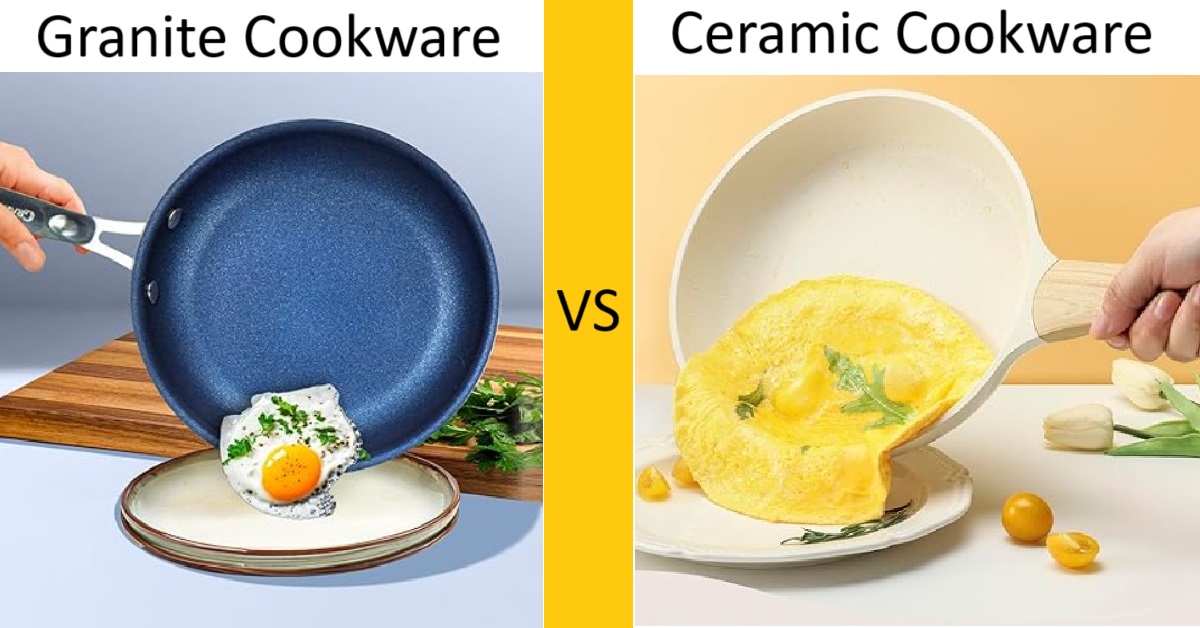
Credit: kitchensupports.com
User Experiences
User experiences provide valuable insights into the real-life performance of ceramic and granite cookware. These insights help understand how these materials hold up in daily cooking, their ease of use, and durability. Users often share their personal stories, highlighting both the strengths and weaknesses of each type. This feedback helps potential buyers make smart choices based on practical use rather than just marketing claims.
Customer Reviews
Many users appreciate ceramic cookware for its non-stick surface and even heating. They mention easy cleaning and a lighter feel compared to other types. Granite cookware often receives praise for its sturdy build and scratch resistance. Users like that it can handle high heat without damage.
Here are common points from customer reviews:
- Ceramic Cookware: Smooth surface, good for low to medium heat cooking, prone to chipping if dropped.
- Granite Cookware: Durable, heats quickly, often heavier, may require seasoning depending on the brand.
| Feature | Ceramic Cookware | Granite Cookware |
|---|---|---|
| Non-stick quality | Good for gentle cooking | Excellent, often reinforced |
| Weight | Light to medium | Usually heavier |
| Durability | Can chip or crack | Highly resistant to scratches |
| Cleaning | Easy, but avoid abrasive tools | Simple, but may need seasoning |
Overall, customers find both types useful. Choice depends on cooking style and care habits.
Common Complaints
Users report specific issues with both ceramic and granite cookware. Ceramic coatings may wear off after months. Some say the non-stick layer peels if overheated. Granite cookware can be heavy, making it hard to handle for some. A few users mention uneven heating in cheaper models.
Common complaints include:
- Ceramic Cookware:
- Chipping or cracking after drops
- Loss of non-stick surface over time
- Not suitable for high heat
- Granite Cookware:
- Heavy weight can cause strain
- Some models need seasoning before use
- Possible uneven heating in low-quality sets
Here is a quick summary:
| Issue | Ceramic Cookware | Granite Cookware |
|---|---|---|
| Durability | Chipping and cracking | Heavy but sturdy |
| Non-stick durability | Wears off with time | Usually lasts longer |
| Ease of handling | Light and easy | Can be heavy |
| Heat handling | Not for high heat | Good for high heat |
Expert Recommendations
Experts advise choosing cookware based on cooking habits and maintenance willingness. Ceramic cookware suits low to medium heat cooking and quick cleanup. Experts warn against overheating ceramic pans to avoid damage.
Granite cookware is recommended for users needing high heat resistance and durability. Experts suggest seasoning granite pans if required, to maintain the surface and improve cooking results.
Expert tips include:
- Match cookware to cooking style: Use ceramic for gentle cooking and granite for searing or frying.
- Follow care instructions: Avoid metal utensils on ceramic surfaces to prevent scratches.
- Invest in quality: Higher-quality cookware lasts longer and performs better.
- Consider weight: Choose lighter ceramic if ease of handling is important.
Experts often highlight the importance of:
- Proper cleaning methods
- Avoiding sudden temperature changes
- Regular maintenance, especially for granite cookware
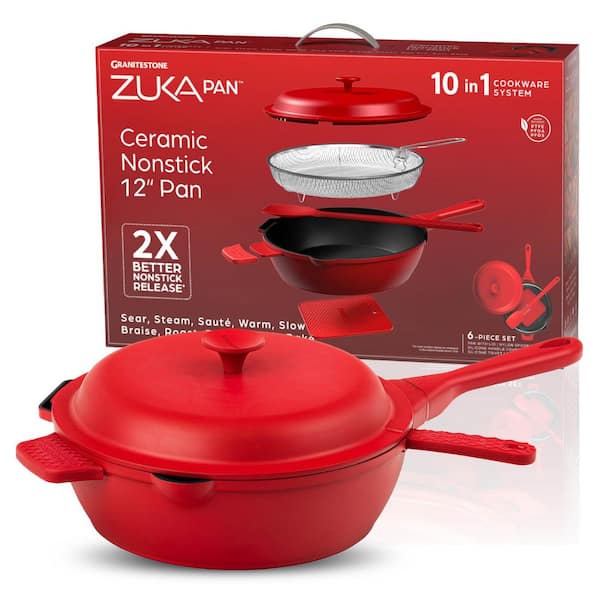
Credit: www.homedepot.com
Frequently Asked Questions
Which Cookware Is Healthier: Ceramic Or Granite?
Ceramic cookware is often considered healthier due to its non-toxic, chemical-free coating. Granite cookware may contain synthetic coatings that can release toxins when overheated. Both offer non-stick surfaces, but ceramic is typically preferred for health-conscious cooking.
Is Ceramic Or Granite Cookware More Durable?
Granite cookware tends to be more durable and scratch-resistant than ceramic. Ceramic coatings can chip or wear off over time. However, granite cookware may require careful handling to avoid surface damage. Overall, granite offers better long-term durability.
Which Cookware Heats More Evenly: Ceramic Or Granite?
Granite cookware generally provides more even heat distribution due to its dense material. Ceramic cookware heats well but can have hot spots if the base is thin. Even heating in granite helps prevent food from burning or cooking unevenly.
Are Ceramic Or Granite Cookware Easier To Clean?
Ceramic cookware is easier to clean because of its smooth, non-stick surface. Granite cookware can sometimes require more scrubbing if food sticks. Both are dishwasher safe, but hand washing extends their lifespan and maintains coating quality.
Conclusion
Choosing between ceramic and granite cookware depends on your needs. Ceramic heats evenly and is easy to clean. Granite offers strong durability and resists scratches well. Both types suit different cooking styles and budgets. Consider how you cook and what matters most.
Either option can help you prepare tasty meals. Pick the one that fits your kitchen best. Simple and practical. Enjoy cooking with confidence and ease.

Hello, This is Annie Walker, a 38-year-old blogger, founder, and editor of Cookware Guider from NY, USA. I am a cookware fanatic and passionate cooker. I love to cook with different types of cooking appliances (example: all types of cookware, rice cookers, slow cookers, etc) almost every day in my kitchen. I love to share my experience with my readers in my blog. Also, I enjoy helping people to solve their problems through my website. You can follow me on Twitter & Pinterest. To know details about my blog please check the about us page.