
Have you ever struggled with cooking rice that turns out either too sticky or too dry? You’re not alone.
Getting rice just right can feel tricky, but it doesn’t have to be. Imagine making perfectly fluffy, tender rice every time, effortlessly. You’ll discover simple, foolproof methods to cook rice that will elevate your meals and impress your family and friends.
Ready to master the art of cooking rice? Keep reading, and you’ll never have to worry about undercooked or mushy rice again.
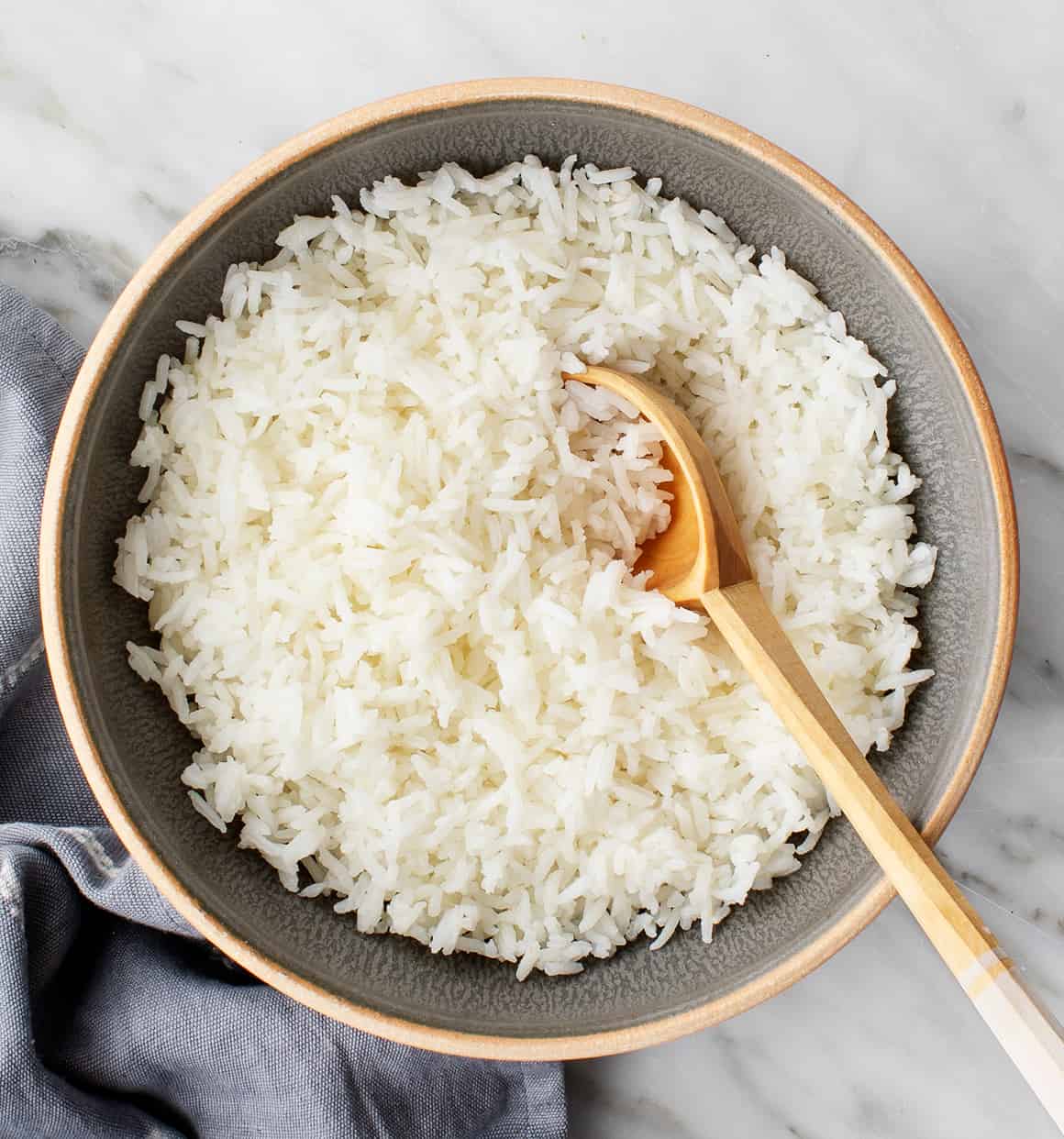
Credit: www.loveandlemons.com
Choosing The Right Rice
Choosing the right rice is the first step to cooking perfect rice. Rice comes in many types, each with unique textures and flavors. Picking the right one affects the final dish. Understanding different kinds helps make better meals.
Types Of Rice
Rice types vary by grain length and texture. Long-grain rice is slim and stays separate after cooking. Medium-grain rice is softer and slightly sticky. Short-grain rice is plump and very sticky, good for sushi and desserts.
Brown rice keeps its bran layer, making it chewier and healthier. White rice has the bran removed, so it cooks faster and tastes milder. Jasmine and basmati are fragrant varieties often used in Asian and Indian dishes.
Best Rice For Fluffy Texture
Long-grain white rice is best for a fluffy texture. Each grain cooks firm and separate, not clumping together. Basmati rice is a popular choice for fluffy rice with a nutty aroma.
Rinse rice before cooking to remove extra starch. This helps keep grains separate. Avoid overcooking to prevent mushy rice. Fluffy rice works well as a side dish or base for many recipes.
Preparing Rice Before Cooking
Preparing rice before cooking helps get the best texture and taste. This step removes extra starch and dirt from the grains. It also helps the rice cook evenly and prevents it from sticking together. Taking the time to prepare rice properly makes a big difference in your meal.
Rinsing And Soaking
Rinsing rice removes dust and excess starch on the surface. Place the rice in a bowl and fill it with cold water. Swirl the rice gently with your hand. Pour out the cloudy water and repeat this process two to three times. Soaking rice for 20 to 30 minutes softens the grains. This helps the rice cook faster and more evenly. After soaking, drain the rice well before cooking.
Measuring Rice And Water
Use the right ratio of rice to water for perfect results. A common ratio is one cup of rice to two cups of water. Measure the rice with a standard cup for consistency. Adjust water depending on rice type and cooking method. Too much water makes rice mushy. Too little water leaves rice hard. Precise measuring ensures fluffy and tender rice every time.
Cooking Methods
Cooking rice can be simple or detailed, depending on the method chosen. Each method offers a unique way to prepare perfect rice. Understanding the basic cooking methods helps you choose what fits your kitchen and time best.
Stovetop Method
The stovetop method is the classic way to cook rice. Start by rinsing the rice under cold water. This removes extra starch and keeps the rice from getting sticky. Use a pot with a tight lid. Add water in the right ratio, usually one part rice to two parts water. Bring the water to a boil, then lower the heat to a simmer. Cover the pot and cook for about 15 to 20 minutes. Let it rest off the heat for 5 minutes before fluffing with a fork.
Rice Cooker Method
A rice cooker makes cooking rice easy and hands-free. Add rinsed rice and water to the cooker’s pot. Use the water level marks as a guide. Close the lid and press the cook button. The rice cooker will turn off or switch to warm once done. Let the rice sit inside for a few minutes to finish steaming. This method is great for consistent results without watching the pot.
Instant Pot Method
The Instant Pot cooks rice quickly under pressure. Rinse the rice well before placing it in the pot. Add water using the same ratio as stovetop cooking. Seal the lid and set to high pressure for 3 to 5 minutes depending on rice type. Let the pressure release naturally for 10 minutes after cooking. Open the lid carefully and fluff the rice with a fork. This method saves time and works well for busy days.
:max_bytes(150000):strip_icc()/bake-perfectly-cooked-oven-rice-995968-FINAL-d3c62bef307e41bfba1a0893d5a432d1.png)
Credit: www.thespruceeats.com
Adjusting Water Ratios
Adjusting water ratios is key to cooking perfect rice every time. The right amount of water affects texture and fluffiness. Too much water makes rice mushy. Too little leaves it hard or crunchy. Knowing how to change water for different types of rice helps achieve the best results.
Factors Affecting Water Amount
Rice type changes how much water it needs. Long-grain rice needs less water than short-grain. Freshness of rice also matters. Older rice absorbs more water. Cooking method plays a role too. Stovetop, rice cooker, or instant pot use different water amounts. Altitude affects boiling point. Higher places need more water to cook rice fully. Measuring water precisely ensures even cooking.
Tips For Different Rice Varieties
White rice usually needs one and a half to two cups of water per cup of rice. Brown rice requires more water, about two and a half cups. Jasmine rice is softer, so use a bit less water. Basmati rice needs less water and rinsing before cooking helps. Wild rice absorbs more water and takes longer to cook. Adjust water and cooking time for each variety.
Cooking Tips For Fluffy Rice
Cooking fluffy rice is easier than many think. The right steps make a big difference. Perfect rice means each grain stays separate and soft. These tips help you get that light, tender texture every time.
Small changes in how you cook can improve your rice. Follow these simple rules for best results.
Avoiding Common Mistakes
Do not wash rice too much. Washing removes starch but overdoing it makes rice dry. Rinse once or twice gently.
Measure water carefully. Too much water makes rice mushy. Too little leaves it hard. Use a standard ratio for your rice type.
Do not stir rice while cooking. Stirring breaks grains and makes rice sticky. Let it cook undisturbed.
Using Lid And Heat Control
Keep the lid on tight during cooking. Lid traps steam and cooks rice evenly. Do not lift it before time ends.
Start with high heat to boil water quickly. Once boiling, lower heat to simmer gently. Low heat prevents burning and overcooking.
After cooking, turn off heat and let rice rest. Keep the lid on while resting. This step lets steam finish the cooking process.
Fluffing And Serving
Fluffing and serving rice is an important step after cooking. It helps separate the grains and improves texture. Proper fluffing makes the rice light and ready to enjoy. Serving rice right away keeps it warm and tasty.
Resting Time
Let the rice rest after cooking for about 5 to 10 minutes. This allows steam to finish cooking the grains evenly. Resting helps the rice absorb moisture and become tender. Avoid lifting the lid during this time to keep steam inside.
Using A Fork To Fluff
Use a fork to gently separate the rice grains. Stir lightly from the edges to the center. Avoid pressing or stirring too hard to keep the grains intact. Fluffing with a fork keeps rice airy and prevents clumps.
Adding Flavor To Rice
Plain rice can be tasty, but adding flavor makes it much better. Simple tricks can turn plain rice into a dish full of taste. Use different ingredients while cooking or after. Small changes create big flavor differences. This section shows easy ways to add flavor to rice.
Using Broth And Spices
Cook rice in broth instead of water. Broth adds rich taste and depth. Use chicken, beef, or vegetable broth. Choose low-sodium broth for better control of salt. Add spices like cumin, turmeric, or bay leaves. These spices give rice a warm, earthy flavor. A pinch of salt and pepper helps balance taste. Toast spices in oil before adding rice for stronger aroma. This method makes rice more interesting and tasty.
Mix-ins And Garnishes
Add vegetables, nuts, or herbs after cooking. Peas, carrots, or corn add color and crunch. Toasted almonds or cashews add a nutty flavor. Fresh herbs like parsley, cilantro, or basil brighten the dish. A squeeze of lemon or lime juice adds freshness. Use finely chopped garlic or onion for extra zest. These mix-ins make rice more colorful and tasty. Garnishes create a fresh, inviting look on the plate.
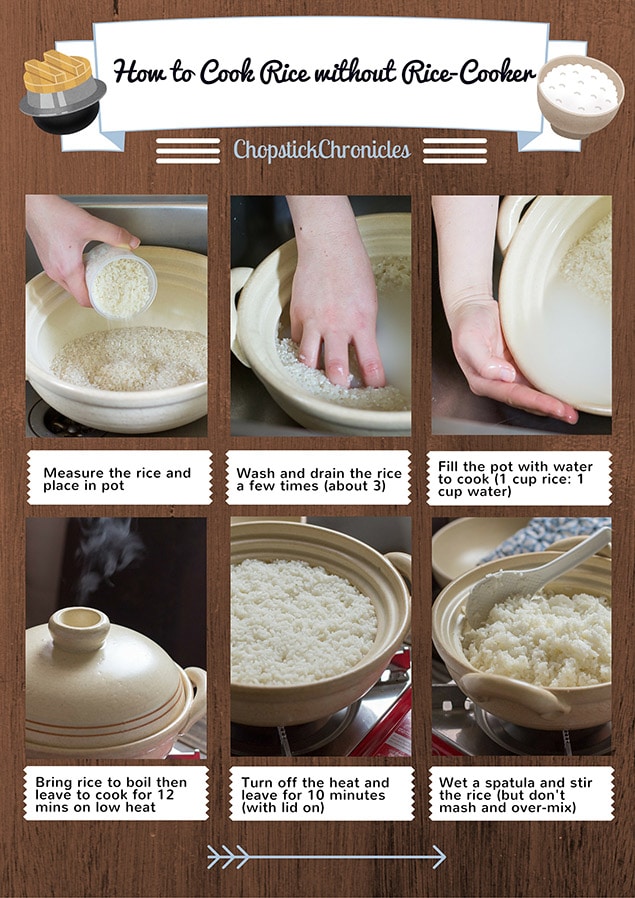
Credit: www.chopstickchronicles.com
Frequently Asked Questions
How Much Water Do I Need To Cook Rice?
Use a 2:1 water-to-rice ratio for most white rice. Adjust water slightly for brown or sticky rice types. This ensures perfectly cooked, fluffy rice every time.
How Long Does It Take To Cook Rice?
White rice usually cooks in 15-20 minutes. Brown rice requires 40-45 minutes. Cooking times vary by rice type and method used.
Should I Rinse Rice Before Cooking It?
Yes, rinsing removes excess starch and debris. It prevents rice from becoming gummy and improves texture. Rinse until water runs clear.
Can I Cook Rice Without A Rice Cooker?
Absolutely. Use a pot with a tight lid on the stove. Bring water to boil, add rice, simmer, and cover until done.
Conclusion
Cooking rice is simple once you know the basic steps. Measure the rice and water carefully. Use the right heat and cooking time. Let the rice rest before serving. These small tips help you get fluffy rice every time. Practice a few times to find what works best for you.
Enjoy your meals with perfectly cooked rice. Cooking rice can be easy and quick. No need to stress. Just follow these steps and you will succeed.

Hello, This is Annie Walker, a 38-year-old blogger, founder, and editor of Cookware Guider from NY, USA. I am a cookware fanatic and passionate cooker. I love to cook with different types of cooking appliances (example: all types of cookware, rice cookers, slow cookers, etc) almost every day in my kitchen. I love to share my experience with my readers in my blog. Also, I enjoy helping people to solve their problems through my website. You can follow me on Twitter & Pinterest. To know details about my blog please check the about us page.