
Pan-fried cod is a classic dish loved for its mild flavor and tender, flaky texture. If you’ve ever wondered how to make cod perfectly golden and delicious in a pan, you’re not alone. Many home cooks find fish tricky—sometimes it sticks, falls apart, or turns rubbery.
But with the right method, pan frying cod is simple, quick, and can impress anyone at the table. In this guide, you’ll learn every step for pan frying cod, from choosing your fillets to serving them hot. Whether you’re new to cooking fish or want to improve your results, you’ll pick up essential tips and avoid common mistakes.
Choosing The Best Cod For Pan Frying
Not all cod fillets are created equal. The type and quality of cod you use can dramatically change your results. For pan frying, fresh cod fillets are best, but frozen cod can also work if handled correctly.
Key Qualities To Look For
- Firmness: The flesh should be firm, not mushy.
- Color: Look for pearly white flesh with no gray or brown spots.
- Odor: Fresh cod smells clean—avoid anything with a strong fishy odor.
- Thickness: Fillets about ¾ to 1 inch thick cook evenly in a pan.
Frozen cod should be thawed in the refrigerator overnight. Quick thawing in water can lead to excess moisture, making your fish steam rather than fry.
Cod Types Compared
Here’s a quick look at how different cod choices compare for pan frying:
| Type | Texture | Flavor | Best Use |
|---|---|---|---|
| Fresh Atlantic Cod | Firm, flaky | Mild, sweet | Best overall |
| Frozen Cod | Softer if not dried well | Mild | Good if thawed properly |
| Pacific Cod | Flakier, softer | Mild | Works, handle gently |
Non-obvious tip: Skin-on cod holds together better during frying. If you’re worried about the fillet breaking, ask for skin-on pieces.
Essential Ingredients And Tools
You don’t need fancy equipment to pan fry cod, but a few basics make the process much easier.
Ingredients
- Cod fillets (4 pieces, 5-6 oz each)
- Salt and black pepper
- All-purpose flour (for light coating)
- Cooking oil (neutral, like canola or grapeseed)
- Butter (optional, for finishing)
- Lemon wedges
- Fresh herbs (such as parsley, dill, or chives)
Tools
- Nonstick or stainless steel skillet (10-12 inch)
- Fish spatula (thin and flexible)
- Paper towels
- Shallow plate (for flour)
- Tongs (optional)
Insight: A fish spatula is thinner than a regular spatula and helps lift delicate fillets without breaking them.
Prepping Cod For The Pan
Preparation is key. The way you handle your cod before it hits the skillet affects the final taste and texture.
Step 1: Dry The Fillets
Pat each cod fillet very dry with paper towels. Removing moisture is crucial—wet fish will steam, not brown.
Step 2: Season Well
Sprinkle both sides of the fillets with salt and black pepper. Don’t season too early or the salt will draw out moisture.
Step 3: Light Coating Of Flour
Place a small amount of flour on a shallow plate. Dredge each fillet lightly on both sides, shaking off the excess. This thin flour layer helps develop a crisp, golden crust.
Common mistake: Using too much flour can make the crust gummy. A dusting is enough.
Pan Frying Cod: Step-by-step
Now for the main event. Cooking cod in a pan is quick—just a few minutes per side.
Step 1: Heat The Pan
Add 2-3 tablespoons of oil to your skillet and set over medium-high heat. The oil should shimmer but not smoke.
Why it matters: If the pan isn’t hot enough, the fish will stick. If it’s too hot, the coating burns before the fish cooks through.
Step 2: Add The Fillets
Place the cod fillets in the skillet, presentation (nice) side down first. Don’t overcrowd the pan—work in batches if needed.
- For skin-on fillets, start skin side down.
Step 3: Cook Without Moving
Let the fillets cook undisturbed for about 3-4 minutes. The edges will turn opaque and the bottom will be golden.
Step 4: Flip Gently
Use a fish spatula to carefully flip each fillet. If it resists, give it 30 more seconds. Cook another 2-4 minutes, depending on thickness.
Pro tip: Add a tablespoon of butter to the pan after flipping for rich flavor and a golden finish.
Step 5: Test For Doneness
Cod is done when it flakes easily with a fork and is opaque all the way through. The internal temperature should reach 145°F (63°C).
Step 6: Drain And Rest
Transfer the cooked fillets to a plate lined with paper towels to soak up excess oil. Rest for 2 minutes before serving.
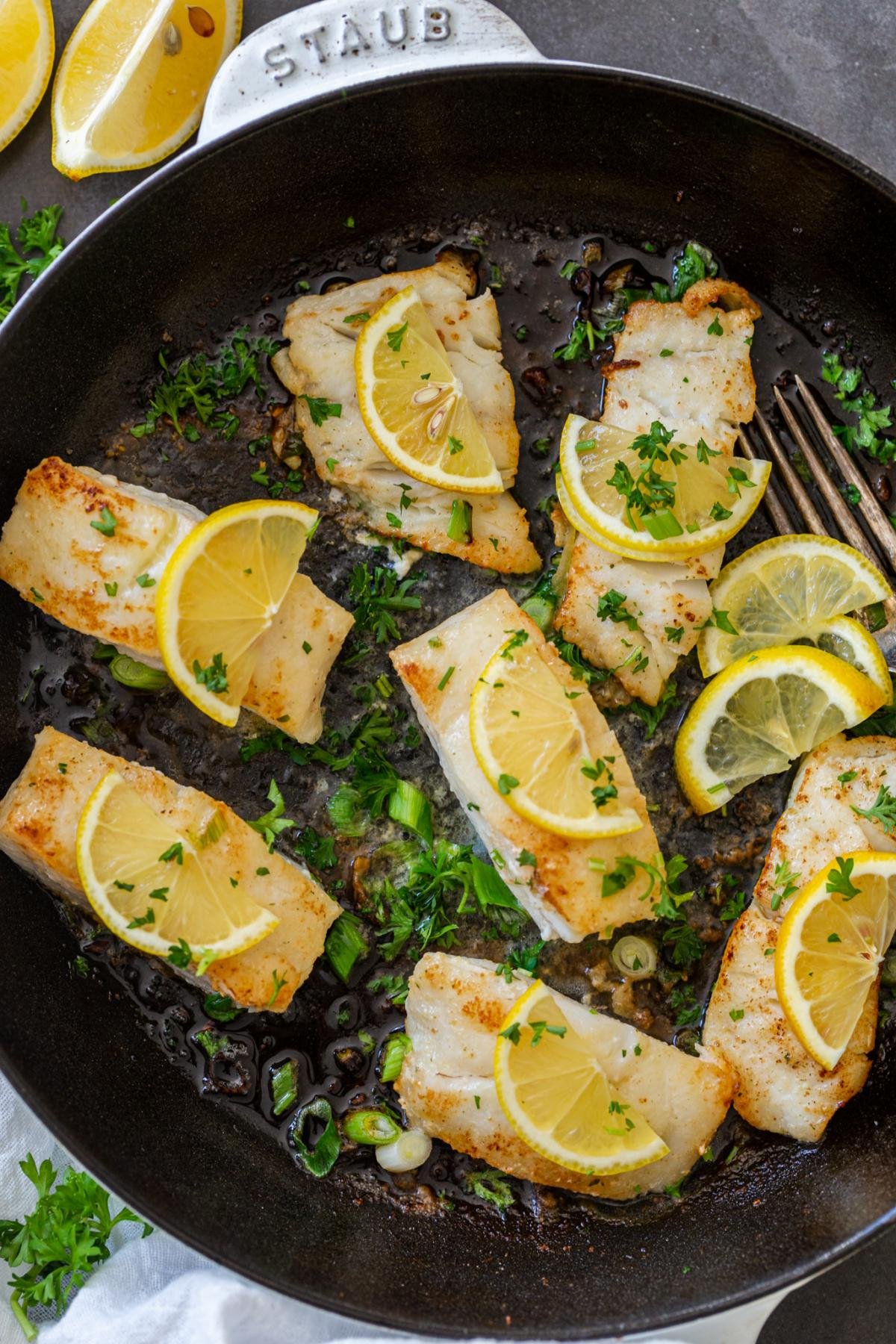
Credit: momsdish.com
Serving Suggestions
Pan-fried cod is versatile. You can keep it simple or dress it up.
Classic Pairings
- Lemon wedges: Brighten the flavor with a squeeze of fresh lemon.
- Fresh herbs: Sprinkle chopped parsley, dill, or chives.
- Simple sides: Serve with steamed vegetables, boiled potatoes, or a green salad.
More Creative Serving Ideas
- Fish tacos: Flake the cod and serve in warm tortillas with cabbage slaw.
- Mediterranean bowl: Pair with rice, olives, tomatoes, and a drizzle of olive oil.
Non-obvious idea: Leftover pan-fried cod makes a great filling for fish cakes or sandwiches the next day.
Troubleshooting: Common Pan Frying Problems
Even experienced cooks sometimes struggle with pan frying fish. Here’s a look at frequent issues and how to fix them:
| Problem | Likely Cause | Solution |
|---|---|---|
| Fish sticks to pan | Pan not hot, not enough oil, moved too soon | Preheat pan well, use more oil, let crust form before flipping |
| Fish falls apart | Too much handling, fish too thin, overcooked | Use thicker fillets, flip only once, cook just until done |
| Crust is soggy | Fish not dry, too much flour, pan too cool | Pat fish dry, dust lightly, heat pan properly |
| Undercooked center | Fillet too thick, heat too high | Lower heat after browning, cover briefly if needed |
Experience-based tip: For very thick fillets, finish cooking in a 350°F oven for 3-5 minutes after browning both sides.
Health Benefits Of Pan-fried Cod
Cod is not just tasty—it’s also a healthy choice. Here are some benefits:
- High protein: Cod provides about 20 grams of protein per 4-ounce serving.
- Low fat: Pan-frying with little oil keeps total fat low.
- Vitamins and minerals: Rich in B vitamins, selenium, and phosphorus.
- Heart-friendly: Cod is low in saturated fat and contains omega-3s.
Compare cod with other popular fish for nutrition:
| Fish (4 oz cooked) | Calories | Protein (g) | Total Fat (g) |
|---|---|---|---|
| Cod | 90 | 20 | 1 |
| Salmon | 180 | 23 | 8 |
| Tilapia | 110 | 22 | 2 |
Practical Tips For Pan Frying Cod
A few extra steps can make your cod go from good to restaurant-quality.
- Use a paper towel to lightly oil the fish before flouring—this helps the flour stick evenly.
- Don’t overcrowd the pan. Fry in batches if needed, and wipe out burned flour before starting a new batch.
- Let fish come to room temperature for 10-15 minutes before frying to ensure even cooking.
- Deglaze the pan with white wine or lemon juice after cooking for a quick sauce.
Uncommon insight: After frying, you can quickly crisp up the skin (if using skin-on fillets) by placing the fish skin-side down in the hot pan for 30 seconds.
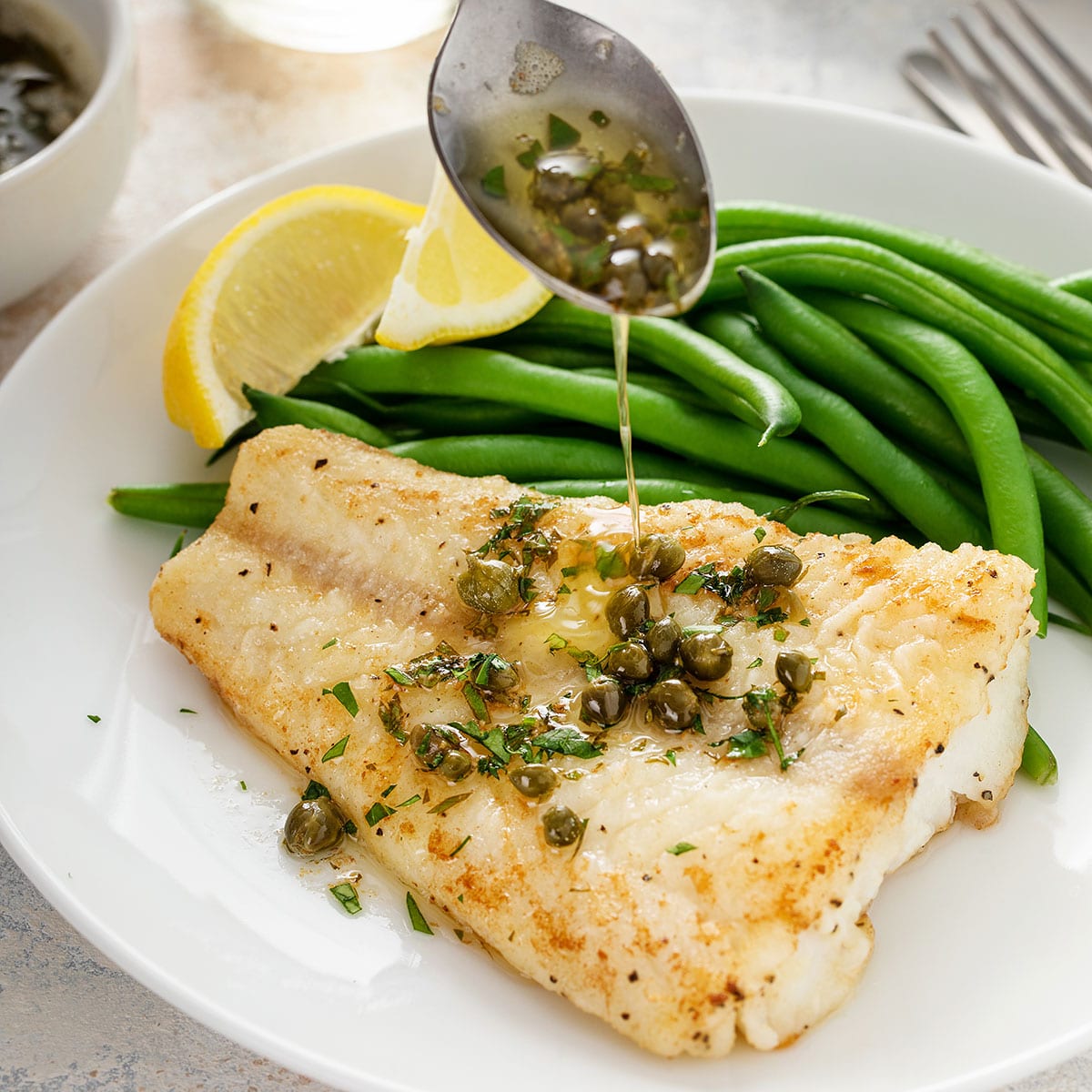
Credit: www.nilds.gov.ng
Step-by-step Recipe: Pan Fried Cod
Here’s a simple recipe you can follow tonight.
Ingredients:
- 4 cod fillets (5-6 oz each)
- ½ cup all-purpose flour
- 1 teaspoon salt
- ½ teaspoon black pepper
- 3 tablespoons canola or grapeseed oil
- 2 tablespoons unsalted butter (optional)
- 1 lemon, cut into wedges
- 2 tablespoons chopped parsley
Instructions:
- Dry and season: Pat cod fillets dry. Season both sides with salt and pepper.
- Flour: Lightly dredge fillets in flour, shaking off excess.
- Heat oil: Add oil to a skillet over medium-high heat.
- Fry: Place fillets in pan, nice side down. Fry 3-4 minutes without moving.
- Flip: Turn gently with a fish spatula. Add butter if using. Fry 2-4 minutes.
- Check: Fish is done when opaque and flakes easily. Internal temp 145°F.
- Drain: Place fillets on paper towels briefly.
- Serve: Plate with lemon wedges and fresh parsley.
Cooking time: 8-10 minutes
Serves: 4
Frequently Asked Questions
How Do I Stop Cod From Sticking To The Pan?
Make sure your pan and oil are hot before adding the fish. Dry the fillets well and let them cook undisturbed until a golden crust forms. Using a nonstick pan or a fish spatula also helps.
Is It Better To Use Butter Or Oil For Pan Frying Cod?
Both work, but oil has a higher smoke point and is less likely to burn. Many cooks use oil for frying, then add a bit of butter at the end for flavor.
Can I Pan Fry Cod From Frozen?
It’s best to thaw cod first for even cooking and better texture. If you must cook from frozen, rinse and dry the fillets well, and cook over lower heat to avoid burning the outside while the inside cooks.
How Do I Know When Cod Is Cooked?
Cod is done when it flakes easily with a fork and is opaque all the way through. The internal temperature should reach 145°F (63°C).
What Sauces Go Well With Pan-fried Cod?
Simple sauces like lemon butter, tartar, or a quick pan sauce with white wine and herbs are all excellent. Cod’s mild flavor pairs well with many fresh, tangy toppings.
Enjoy your perfectly pan-fried cod! For more details on cod and fish cookery, check the Encyclopedia Britannica. With these steps and tips, you’ll master pan frying cod with confidence—even on your first try.

Credit: momsdish.com

Hello, This is Annie Walker, a 38-year-old blogger, founder, and editor of Cookware Guider from NY, USA. I am a cookware fanatic and passionate cooker. I love to cook with different types of cooking appliances (example: all types of cookware, rice cookers, slow cookers, etc) almost every day in my kitchen. I love to share my experience with my readers in my blog. Also, I enjoy helping people to solve their problems through my website. You can follow me on Twitter & Pinterest. To know details about my blog please check the about us page.