
Your cookware is the heart of every great meal. But if you don’t take care of it, those pots and pans can lose their shine, stickiness can build up, and cooking won’t be as enjoyable.
Imagine cooking with scratched, burnt, or warped cookware—it’s frustrating and can ruin your favorite recipes. You deserve better. You’ll discover simple, effective ways to maintain your cookware so it lasts longer, cooks better, and looks great. Keep reading to unlock easy tips that will transform your kitchen experience.

Credit: www.youtube.com
Choosing Durable Cookware
Choosing durable cookware is key to saving money and cooking better. Durable pots and pans last longer and resist damage from heat and cleaning. This section explains how to pick cookware that stays strong over time.
Materials That Last
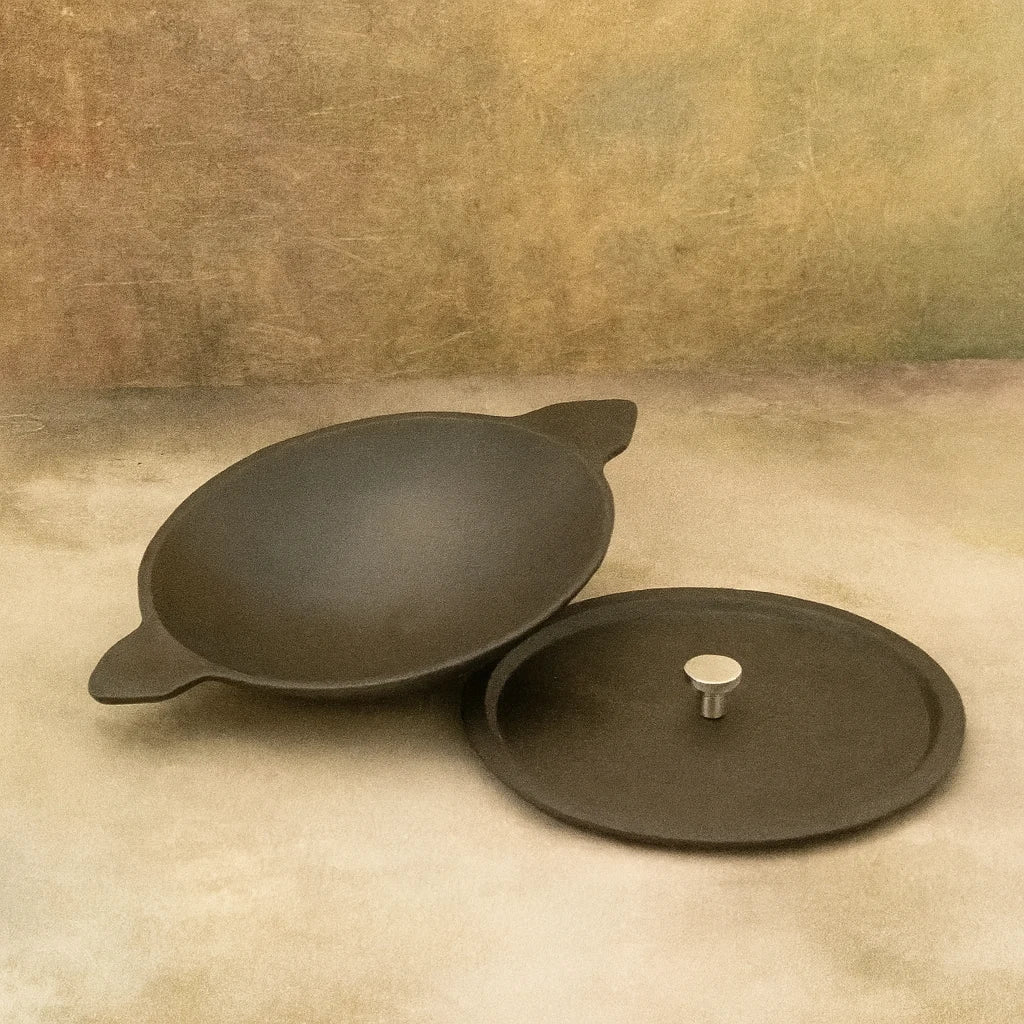
Stainless steel is tough and resists rust and stains. Cast iron can last decades if cared for well. Copper heats evenly but needs polishing to stay shiny. Aluminum is light and heats fast but may warp if thin. Pick materials that handle heat well and avoid bending or cracking.
Coatings And Finishes
Non-stick coatings reduce food sticking and make cleaning easier. Look for high-quality non-stick layers that do not peel quickly. Ceramic coatings offer a natural, durable surface. Avoid cookware with damaged coatings to prevent food contamination and shorten lifespan.
Sizes And Shapes For Longevity
Choose sizes that fit your usual cooking needs. Small pans for eggs and large pots for soups. Thick bases help cook evenly and avoid warping. Rounded edges reduce damage during washing and storage. Proper size and shape extend cookware life and improve cooking results.
Credit: ecocraftindia.com
Proper Cleaning Techniques
Proper cleaning keeps cookware in great shape for years. It removes food, grease, and stains without damaging the surface. Using the right cleaning methods saves money and effort. It also keeps your food tasting fresh and safe.
Hand Washing Vs. Dishwasher
Hand washing is gentle on most cookware. Use warm water and mild soap. A soft sponge works best. Dishwashers can damage some pots and pans. High heat and harsh detergents cause wear. Check the manufacturer’s instructions before using a dishwasher. Hand wash delicate or nonstick cookware to keep it safe.
Removing Stubborn Stains
Stains can be tough but not impossible. Soak cookware in warm, soapy water for 15 minutes. Use baking soda paste to scrub gently. Let it sit on the stain for a few minutes. Rinse well and dry immediately. Avoid strong chemicals that can harm the finish. Repeat if needed for deep stains.
Avoiding Abrasive Tools
Scrubbers with rough surfaces can scratch cookware. Metal brushes and steel wool are too harsh. Use soft sponges or cloths instead. Plastic scrubbers work well on nonstick pans. Always be gentle to protect the coating. Clean cookware lasts longer and cooks better.
Storage Tips For Cookware
Storing cookware properly keeps it safe and ready for use. Good storage stops damage like scratches and dents. It also helps find the right pot or pan fast. Organizing your cookware well saves time and space in the kitchen.
Preventing Scratches And Dents
Stack pots and pans carefully to avoid scratches. Place soft cloths or paper towels between each item. Avoid dropping heavy cookware on hard surfaces. Store lids separately or upside down to prevent dents. Use hooks or racks to hang delicate items safely.
Organizing For Easy Access
Group similar cookware together for quick access. Keep daily-use pots and pans at arm’s reach. Store less-used items in higher or lower cabinets. Use drawer dividers or shelves to separate pieces. Label shelves or containers to find items quickly.
Using Protective Liners
Place liners on shelves to protect cookware bottoms. Use silicone mats or felt pads for soft cushioning. Liners prevent scratches and reduce noise when moving pots. Replace liners regularly to keep them clean. Clean liners help keep your cookware spotless.
Credit: www.youtube.com
Seasoning And Conditioning
Seasoning and conditioning are key steps in keeping cookware in top shape. These processes create a natural non-stick layer that protects your pots and pans. Proper care helps cookware last longer and cook food better.
When To Season Cookware
Season cookware after buying it new, especially cast iron or carbon steel. Also, season if the surface looks dull or rusty. After deep cleaning, re-season to restore the protective layer. Regular seasoning keeps the surface smooth and non-stick.
Steps For Effective Seasoning
First, clean the cookware with warm water and mild soap. Dry it completely to avoid rust. Next, apply a thin layer of cooking oil, like vegetable or flaxseed oil. Spread the oil evenly on all surfaces. Heat the cookware in the oven at 350°F (175°C) for one hour. Let it cool inside the oven before removing. Repeat this process 2-3 times for a strong coating.
Maintaining Non-stick Surfaces
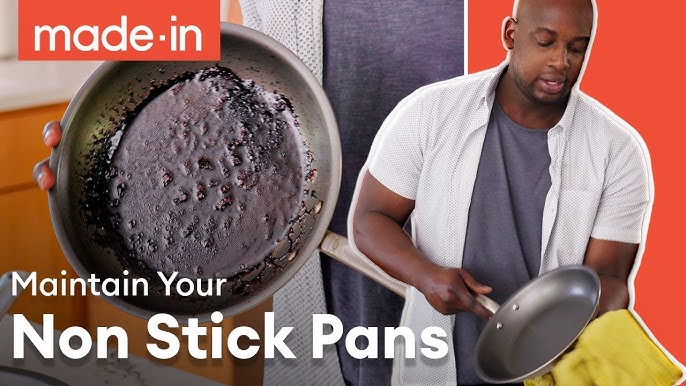
Use soft sponges to clean non-stick cookware, avoiding abrasive scrubbers. Avoid cooking sprays; they can build up and damage the surface. Cook on low to medium heat to protect the coating. Store carefully to prevent scratches. If the surface peels or chips, consider replacing the cookware for safety.
Handling And Usage Advice
Proper handling and usage of cookware help it last longer and perform better. Careful use protects the surface and avoids damage. Simple habits keep your pots and pans in good shape.
Below are key tips to handle cookware safely and effectively.
Avoiding Overheating
High heat can warp or ruin cookware. Always use medium or low heat for cooking. Give your pan time to warm gradually. Avoid heating an empty pan for long. This prevents damage and keeps food from burning.
Using Appropriate Utensils
Metal utensils can scratch non-stick and delicate surfaces. Use wooden, silicone, or plastic tools instead. These materials protect the cookware’s finish. Avoid cutting food directly in the pan. Gentle utensils extend the life of your pots and pans.
Safe Cooking Practices
Do not drop or bang your cookware. Handle with care to avoid dents and cracks. Use oven mitts to prevent burns. Clean your cookware after every use. Follow manufacturer instructions for washing and drying. Proper use helps keep your cookware safe and effective.
Repairing Minor Damage
Cookware can get small damages over time. Repairing these minor issues helps keep pots and pans safe and useful. This section covers easy fixes for scratches, chips, non-stick coatings, and warping. These repairs extend cookware life and improve cooking results.
Fixing Scratches And Chips
Small scratches or chips on metal cookware can be smoothed. Use fine sandpaper or a metal polish to gently buff the damaged area. Clean the surface well before and after to remove any dust. Avoid deep scratches as they can cause rust or affect cooking.
Restoring Non-stick Coatings
Non-stick pans lose their coating with use. Light wear can be fixed by seasoning the pan. Heat a small amount of oil in the pan until it smokes, then wipe clean. Avoid metal tools to prevent further damage. Severe coating loss needs replacement for safety.
Dealing With Warped Cookware
Warped pans do not heat evenly. To fix slight warping, heat the pan slowly on low flame. Then cool it with cold water carefully. This process can sometimes reshape the metal. For severe warps, professional help or replacement is best to ensure safe cooking.
Frequently Asked Questions
How Often Should Cookware Be Cleaned?
Cookware should be cleaned after every use to prevent residue buildup. Regular cleaning maintains its appearance and performance. Use gentle dish soap and avoid abrasive scrubbers. Proper cleaning extends the lifespan of your pots and pans significantly.
What Is The Best Way To Remove Burnt Food?
Soak cookware with burnt food in warm soapy water for 15-30 minutes. Use a non-abrasive sponge to gently scrub off residue. For stubborn spots, baking soda paste works well. Avoid harsh chemicals to protect cookware surfaces.
Can I Use Metal Utensils On Non-stick Cookware?
It’s best to avoid metal utensils on non-stick cookware. Metal can scratch and damage the coating, reducing its effectiveness. Use wooden, silicone, or plastic utensils to preserve the non-stick surface and extend cookware life.
How Should I Store Cookware To Prevent Damage?
Stack cookware carefully with protective liners between pieces to avoid scratches. Store lids separately or upside down on pots to save space. Keep cookware dry and in a cool place to prevent rust and warping.
Conclusion
Taking good care of your cookware saves money and time. Clean pots and pans after every use. Avoid harsh scrubbing to keep surfaces safe. Store cookware properly to stop damage. Use the right tools while cooking to protect the finish.
Regular maintenance helps cookware last longer and work better. Small habits make a big difference in your kitchen. Keep these tips in mind for happy cooking days ahead.

Hello, This is Annie Walker, a 38-year-old blogger, founder, and editor of Cookware Guider from NY, USA. I am a cookware fanatic and passionate cooker. I love to cook with different types of cooking appliances (example: all types of cookware, rice cookers, slow cookers, etc) almost every day in my kitchen. I love to share my experience with my readers in my blog. Also, I enjoy helping people to solve their problems through my website. You can follow me on Twitter & Pinterest. To know details about my blog please check the about us page.