
Are you sure your cookware is safe to use? Lead in cookware is a hidden danger that can affect your health without you even realizing it.
Testing for lead might sound complicated, but it doesn’t have to be. You’ll discover simple, effective ways to check your pots and pans for lead. Protect yourself and your family by learning these easy steps now—because your health is worth it.
Keep reading to find out how to test for lead in your cookware today.
Credit: www.youtube.com
Why Lead In Cookware Matters
Lead in cookware is a serious health concern. Even small amounts of lead can cause harm. Lead can leach into food during cooking, especially with acidic ingredients. This makes testing cookware for lead important for safety.
Lead poisoning can affect many body parts. Children and pregnant women are most at risk. Lead can cause brain damage, learning problems, and other health issues. It is vital to keep lead out of your kitchen.
Health Risks Of Lead Exposure
Lead exposure can cause headaches, stomach pain, and fatigue. Long-term exposure can harm the nervous system. It can reduce IQ in children and cause behavior problems. Adults may face kidney damage and high blood pressure.
How Lead Enters Cookware
Some older or imported cookware may contain lead. Lead is sometimes used in glazes or paint. Cooking acidic foods like tomato sauce can cause lead to leach out. This can contaminate food and increase lead intake.
Signs Your Cookware May Contain Lead
Cookware with chipped or cracked glaze may have lead. Brightly colored or hand-painted ceramics can also be risky. Old or imported pots and pans should be tested. Using these items without testing can be dangerous.
Credit: tamararubin.com
Common Sources Of Lead In Cookware
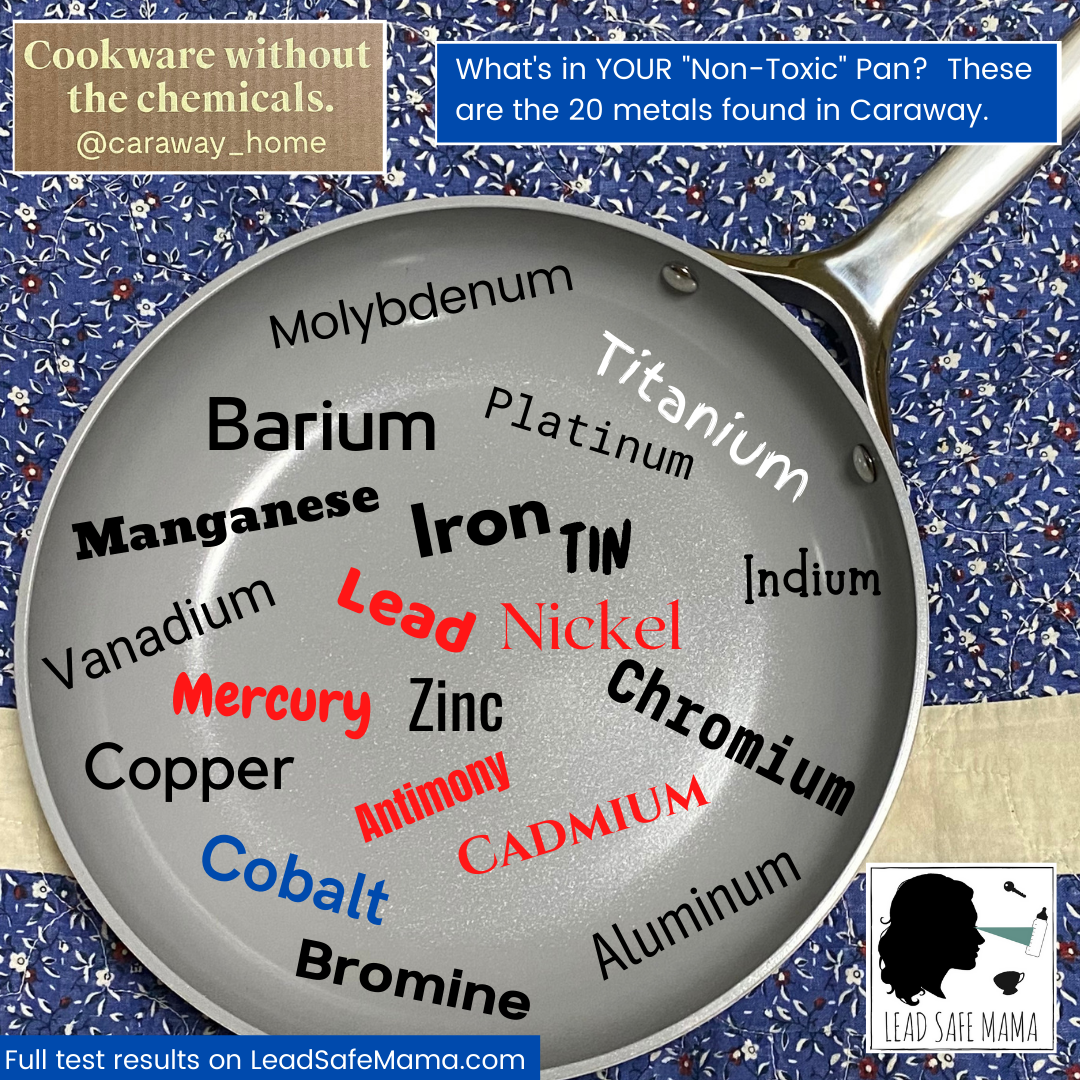
Lead can hide in many types of cookware. Knowing common sources helps you test and stay safe. Some cookware materials and finishes often contain lead. These can release lead into food during cooking.
Lead is toxic and can cause health problems. This makes checking your cookware important. Here are common sources of lead in cookware to watch for.
Traditional And Handmade Pottery
Many handmade or traditional pottery pieces use lead-based glazes. These glazes make the pottery shiny and colorful. Lead can leak from these glazes into food. This happens especially with acidic or hot foods.
Imported Cookware
Cookware from some countries may have less strict safety rules. Lead can be in paint, glazes, or metals used. Imported ceramic and enamelware often carry this risk.
Old Or Vintage Cookware
Older pots and pans may contain lead in their coatings. Lead was common in older paint and finishes. Using vintage cookware without testing can expose you to lead.
Enamel-coated Cookware
Enamel coatings sometimes contain lead to improve durability. If the enamel cracks or chips, lead can leach out. This risk grows with damaged cookware.
Decorative Cookware
Cookware with bright colors or decorations may use lead-based paint. These items often are not made for cooking. Lead can transfer to food from painted surfaces.
Symptoms Of Lead Exposure
Lead exposure can cause serious health problems. It often builds up slowly in the body. Early signs may be mild and easy to miss. Knowing these symptoms helps catch lead poisoning early. This is very important for your health and safety.
Physical Symptoms Of Lead Exposure
Lead poisoning can cause stomach pain and cramps. You may feel tired or weak without reason. Headaches and dizziness are common signs. Some people may vomit or lose their appetite. Muscle pain and joint pain might also appear.
Cognitive And Behavioral Symptoms
Lead affects the brain and nervous system. You might feel confused or have trouble concentrating. Memory problems can start to show. Children may act more irritable or restless. Learning difficulties may become noticeable in school.
Symptoms In Children
Lead is especially harmful to young kids. They may have delayed growth or development. Loss of appetite and weight loss are common. Some children show mood swings or fatigue. Severe exposure can cause seizures or coma.
Long-term Health Effects
Chronic lead exposure can damage organs. The kidneys and liver may stop working well. High blood pressure might develop over time. It can also cause anemia and nerve damage. Early detection can prevent these serious issues.
Types Of Lead Testing Kits
Testing cookware for lead is important for safety. Different kits help find lead in pots and pans. Each type works in its own way. Choose one that fits your needs and budget.
Chemical Spot Tests
Chemical spot tests use small chemicals to detect lead. You scratch the cookware surface slightly. Then, apply the test solution. The color change shows if lead is present. These kits are easy and fast to use. They are good for quick checks at home.
Digital Lead Testers
Digital lead testers use electronic sensors. They give more accurate results than chemical tests. You place the probe on the cookware surface. The device shows the lead level on a screen. These testers cost more but are simple to operate. They help find even small amounts of lead.
Laboratory Testing
Laboratory testing offers the most precise results. You send a sample of your cookware to a lab. Experts analyze it using advanced tools. Labs can detect very low lead levels. This method takes longer and costs more. Use it for thorough testing or if you need official proof.
Step-by-step Guide To Testing Cookware
Testing cookware for lead is important for safety. This step-by-step guide helps you check your pots and pans. The process is simple and can be done at home. Follow each step carefully to get accurate results.
Preparing Your Cookware
Clean the cookware well before testing. Use warm water and soap to remove dirt and grease. Rinse it thoroughly and dry with a soft cloth. Make sure the surface is smooth and free of food bits. This helps the test work properly.
Applying The Test
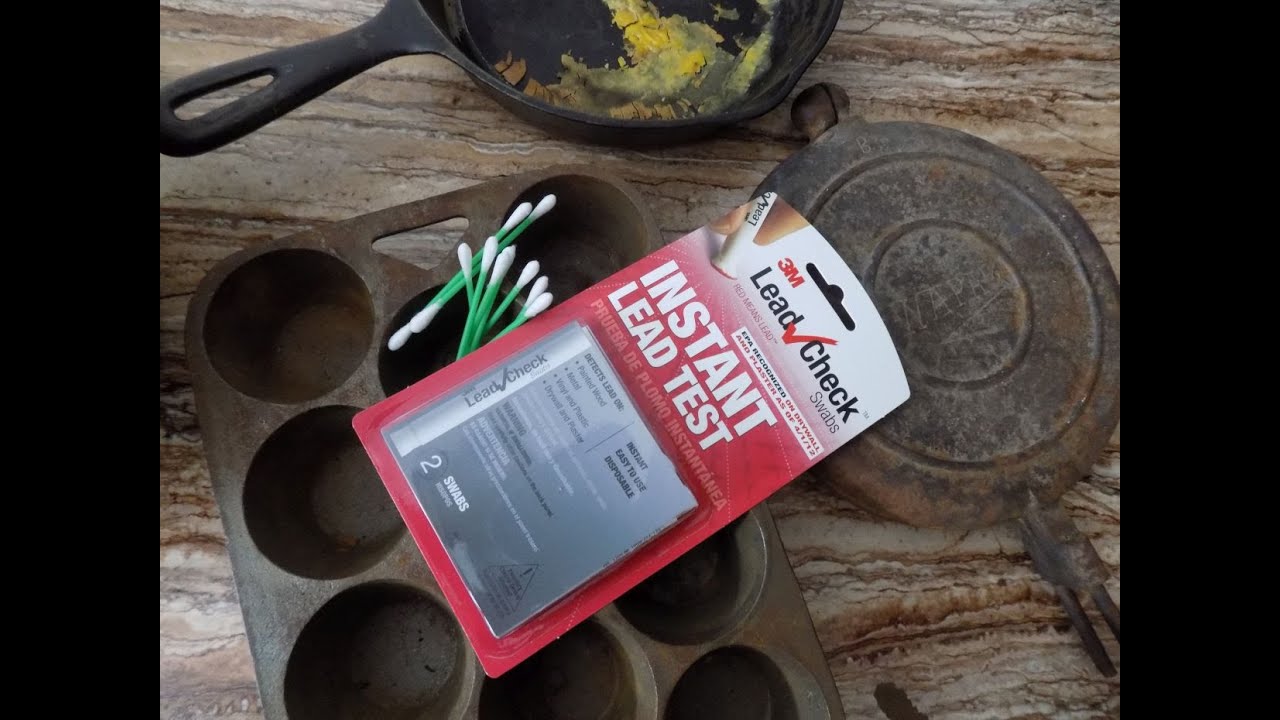
Use a lead test kit from a hardware store. Read the instructions on the kit carefully. Apply the test solution or swab to the cookware surface. Wait for the time specified in the instructions. Avoid touching the test area during this time.
Interpreting Results
Check the color change on the test area. A color change usually means lead is present. No color change means the cookware is safe. Compare the color with the guide in the test kit. Keep the test kit instructions handy for correct reading.
Credit: deohs.washington.edu
Alternative Ways To Detect Lead
Testing cookware for lead can be done using home test kits or by sending samples to a lab. Simple swabs detect lead quickly without special tools. These methods help keep your kitchen safe and free from harmful metals.
Professional Inspection
One reliable way to detect lead in cookware is through professional inspection. Experts use specific tests to check for lead safely. They have the tools and knowledge to identify lead accurately. A professional inspection can give you peace of mind about your cookware’s safety.
Professionals often take samples or use special kits. They analyze these samples in labs for precise results. This method is more accurate than home test kits. It helps find even small amounts of lead that might be harmful.
Using X-ray Fluorescence Devices
X-Ray Fluorescence (XRF) devices offer a quick way to detect lead. These handheld tools scan cookware surfaces and show if lead is present. The test is non-destructive, so the cookware stays intact. It gives almost instant results, which is helpful for quick checks.
XRF devices are used by many inspectors and safety agencies. They can detect lead and other harmful metals. While these devices can be expensive, some local health departments offer testing services using XRF. This method is useful for accurate, fast detection without damaging your pots or pans.
Tips To Avoid Lead Contamination
Avoiding lead contamination in cookware is vital for safe cooking. Lead can harm health, so taking steps to prevent it is smart. Knowing which materials are safe and how to care for your cookware helps keep food free from lead.
Choosing Safe Cookware Materials
Pick cookware made from stainless steel, cast iron, or glass. These materials do not contain lead. Avoid old or imported ceramic pots, as they might have lead glaze. Check product labels for safety certifications. Buy from trusted brands to reduce risk.
Proper Care And Maintenance
Wash cookware gently with mild soap and water. Avoid harsh scrubbing that damages coatings. Do not use metal utensils on non-stick or ceramic surfaces. Replace cookware if chips or cracks appear. Damaged surfaces can release harmful substances, including lead.
What To Do If Lead Is Found
Finding lead in your cookware can be alarming. Lead is toxic and can cause serious health problems. Taking the right steps after discovering lead is crucial for your safety and your family’s health. Below are important actions to follow if lead is present in your cookware.
Disposal Guidelines
Do not use lead-contaminated cookware for cooking. Lead can leach into food and cause poisoning. Wrap the cookware in heavy plastic or newspaper. Label it clearly as hazardous waste. Take it to a local hazardous waste disposal center. Avoid throwing it in regular trash to prevent contamination. Follow your local rules for hazardous material disposal.
Health Precautions
Stop using the cookware immediately to avoid lead exposure. Wash your hands thoroughly after handling it. Keep children and pregnant women away from the cookware. Monitor for symptoms of lead poisoning, such as stomach pain or headaches. Consult a healthcare provider if you suspect lead exposure. Use lead-free cookware to ensure safety in your kitchen.
Frequently Asked Questions
How Can I Test Cookware For Lead Contamination?
You can use a lead test kit available online or in stores. These kits detect lead by changing color when applied to cookware surfaces. Always follow the kit instructions carefully for accurate results.
Are Home Lead Test Kits Reliable For Cookware?
Home lead test kits provide a quick, preliminary check. However, they may not detect low lead levels. For precise results, consider professional laboratory testing.
What Are Signs Of Lead In Old Cookware?
Old cookware with chipped paint or unusual discoloration may contain lead. Also, cookware made before 1978 has a higher risk of lead contamination.
Is Lead In Cookware Harmful To Health?
Yes, lead exposure from cookware can cause serious health issues. It affects the nervous system, especially in children and pregnant women.
Conclusion
Testing for lead in cookware protects your health and safety. Use simple test kits or professional services to check your pots and pans. Regular testing helps avoid lead poisoning risks. Stay informed about the materials used in your cookware. Safe cooking starts with knowing what’s inside your kitchen tools.
Don’t wait until problems arise. Take action today to ensure your cookware is lead-free. Your health deserves careful attention. Keep your family safe by testing cookware regularly. It’s a small step with big benefits.

Hello, This is Annie Walker, a 38-year-old blogger, founder, and editor of Cookware Guider from NY, USA. I am a cookware fanatic and passionate cooker. I love to cook with different types of cooking appliances (example: all types of cookware, rice cookers, slow cookers, etc) almost every day in my kitchen. I love to share my experience with my readers in my blog. Also, I enjoy helping people to solve their problems through my website. You can follow me on Twitter & Pinterest. To know details about my blog please check the about us page.