
Have you ever noticed how cooking steam and smoke can quickly fill your kitchen, making it uncomfortable and messy? If you’re tired of bulky range hoods that block your view or take up too much space, a downdraft cooktop might be the perfect solution for you.
This innovative kitchen appliance pulls smoke and odors down and away from your cooking surface, keeping your kitchen fresh without the need for a traditional overhead vent. Curious how it works and if it’s right for your home? Keep reading to discover everything you need to know about downdraft cooktops and how they can transform your cooking experience.
Downdraft Cooktop Basics
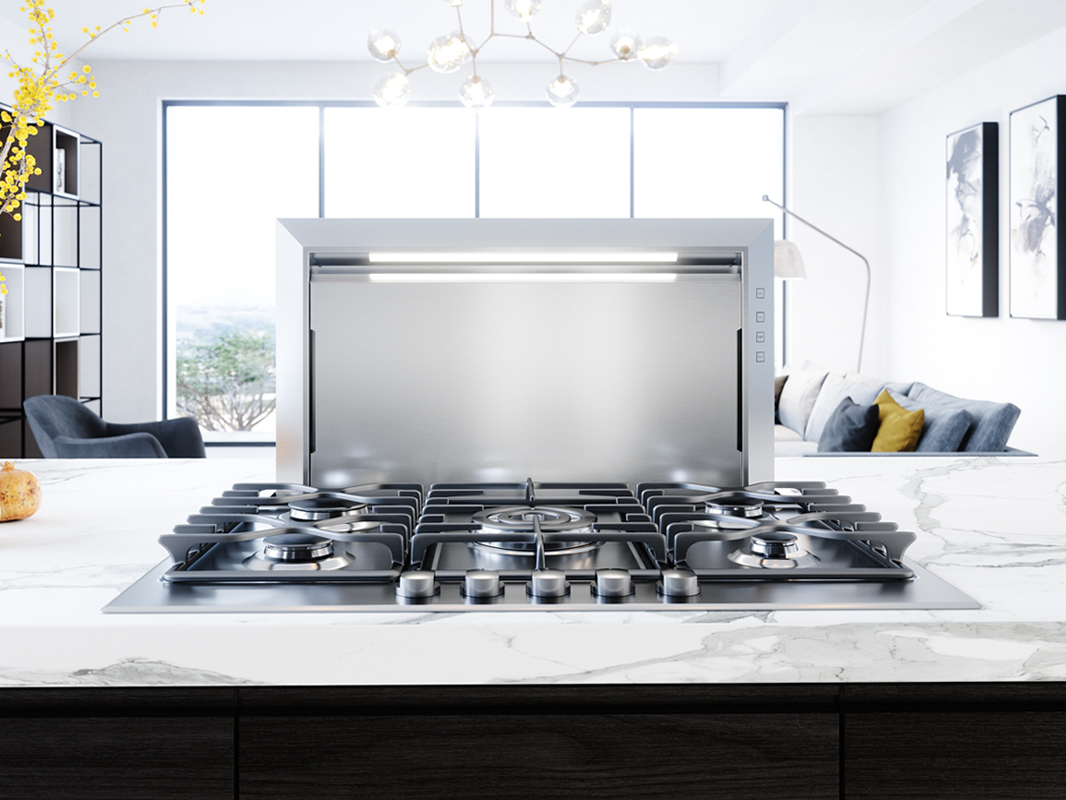
Downdraft cooktops offer a unique way to keep kitchens fresh and clear. They combine cooking and ventilation in one unit. This design helps remove smoke and odors right at the stove.
Understanding the basics of downdraft cooktops can help you decide if this appliance fits your kitchen style. These cooktops provide a neat, efficient cooking space without a bulky hood above.
Key Features
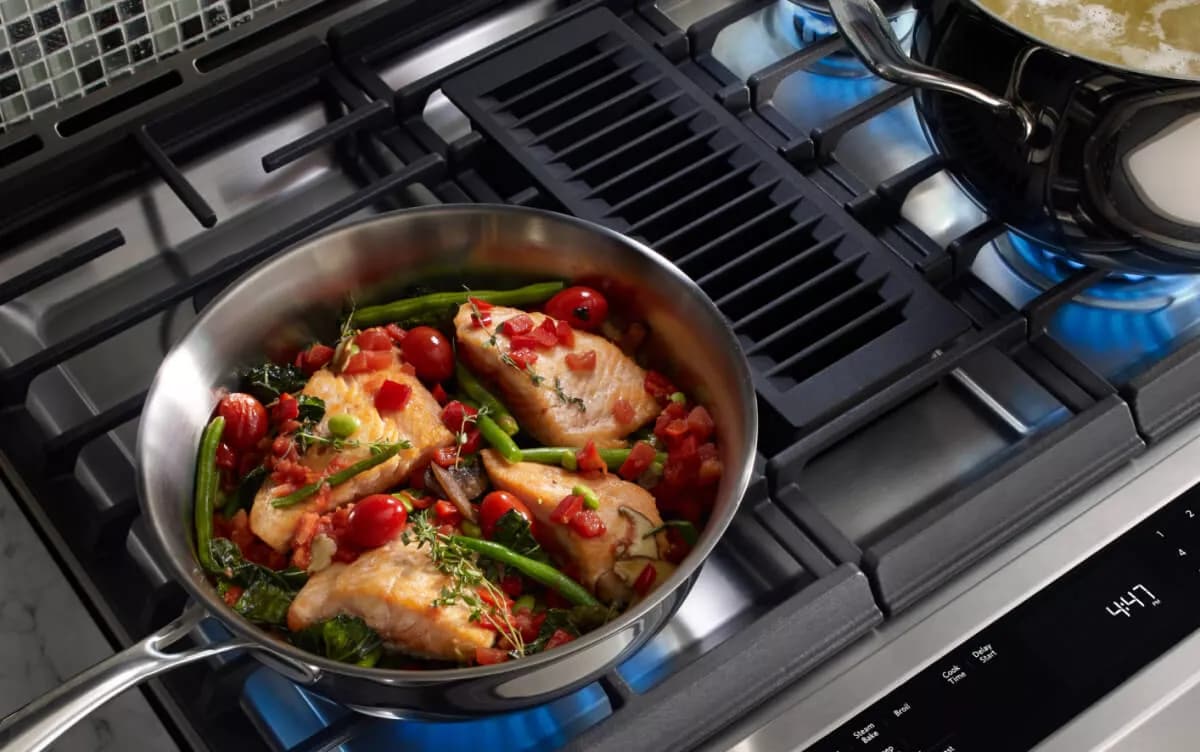
Downdraft cooktops have built-in vents that pull air downwards. This feature captures steam and smoke close to the cooking surface. The vents often rise from the back or side of the cooktop.
They save space by eliminating the need for a traditional overhead vent. Many models offer multiple burner sizes and heat settings. The design fits well in open kitchens or islands.
How It Works
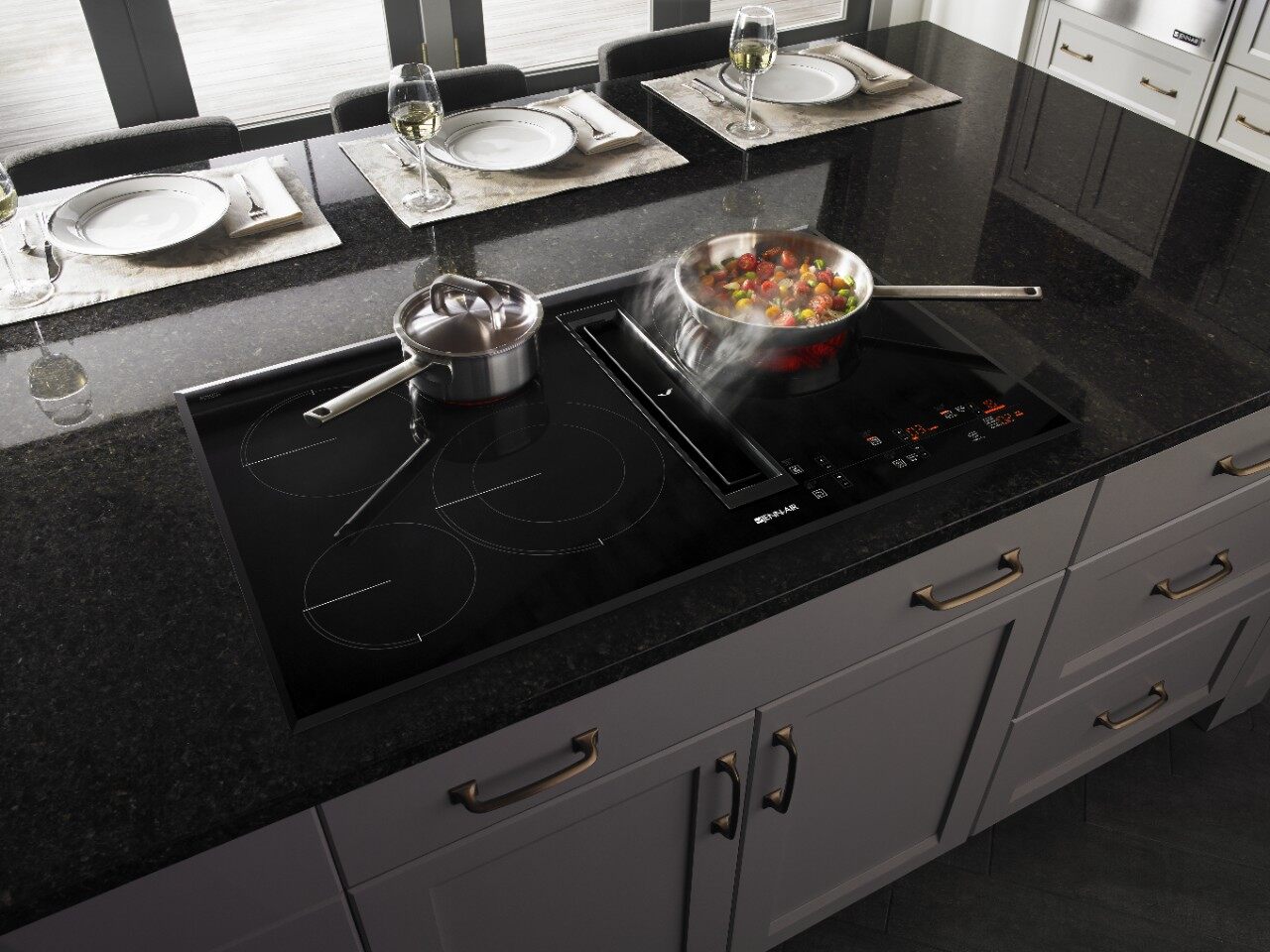
When cooking starts, the downdraft vent rises automatically or with a switch. It pulls air, smoke, and steam down through a filter. The filtered air is then sent outside or recirculated.
This system helps keep the kitchen air clean. It also reduces grease buildup on walls and cabinets. The vent turns off and retracts when cooking finishes.
Benefits Of Downdraft Cooktops
Downdraft cooktops offer many benefits that enhance kitchen function and style. They combine smart design with practical features. These cooktops help keep your kitchen fresh and organized. Here are some key benefits that make downdraft cooktops a popular choice.
Space Saving Design
Downdraft cooktops save valuable counter space. The ventilation system is built into the cooktop, not above it. This design allows for more open space in the kitchen. It works well in kitchens with low ceilings or limited space. Without a bulky hood, the kitchen feels larger and less crowded.
Effective Ventilation
Downdraft cooktops pull smoke and steam downwards. This removes cooking odors quickly from the kitchen. The vent is near the cooktop surface, catching fumes at the source. It helps keep the air clean and clear. This system works well for both small and large kitchens.
Aesthetic Appeal
Downdraft cooktops offer a sleek, modern look. They create a clean and uncluttered kitchen appearance. The lack of an overhead hood keeps sightlines open. This design fits well with minimalist and contemporary kitchen styles. It also allows for creative kitchen layouts and designs.
Types Of Downdraft Cooktops
Downdraft cooktops come in several types, each designed to fit different cooking styles and kitchen setups. They blend cooking and ventilation in one unit. Choosing the right type depends on your cooking habits and kitchen space.
Electric Models
Electric downdraft cooktops use electric coils or smooth glass surfaces to heat food. They are easy to clean and install. The built-in vent pulls smoke and steam down, keeping air clear. These models work well in kitchens without gas lines.
Gas Models
Gas downdraft cooktops offer direct flame cooking with quick temperature control. They need a gas connection for operation. The downdraft vent removes odors and smoke right at the cooking surface. These models suit chefs who prefer traditional gas cooking.
Induction Models
Induction downdraft cooktops use magnetic fields to heat pots directly. They heat faster and use less energy than electric or gas. The downdraft system captures steam and smoke efficiently. These models require compatible cookware and are safe for families.
Credit: zephyronline.com
Installation Considerations
Installing a downdraft cooktop needs careful planning. It differs from regular cooktops. These units pull smoke and steam downwards, requiring special setup. Understanding installation details helps avoid costly mistakes and ensures safety.
Countertop Compatibility
Check if your countertop material fits a downdraft cooktop. These cooktops need space for the ventilation system below the surface. Thick or stone countertops may need extra cutting. Some materials might not support the weight or heat properly.
Measure carefully before buying. The cooktop must fit flush with the countertop. A poor fit can cause damage or reduce efficiency.
Ventilation Requirements
Downdraft cooktops need strong ventilation below the countertop. This means extra space for ducts and fans. The ducts must lead outside or to a proper vent system.
Airflow is crucial. Blocked or narrow ducts will reduce performance. Plan the vent path early. It affects cabinet design and nearby appliances.
Professional Vs Diy Installation
Installing a downdraft cooktop can be tricky. Professionals know the right tools and safety rules. They ensure proper venting and secure fittings.
DIY installation saves money but risks mistakes. Incorrect setup can cause leaks, poor airflow, or damage. If unsure, hire a professional for peace of mind.
Maintenance Tips
Maintaining a downdraft cooktop is key to keeping it working well. Regular care helps prevent problems and keeps your kitchen fresh. Simple steps make a big difference in performance and lifespan.
Cleaning The Vent
Start by turning off the cooktop and unplugging it. Remove the vent cover gently. Use a soft brush or cloth to clear dust and grease. Clean the filter with warm, soapy water. Dry it completely before replacing. Avoid harsh chemicals that can damage parts. Clean the vent regularly to stop blockages and odors.
Troubleshooting Common Issues
If the vent does not work, check for power supply issues first. Listen for unusual noises which may mean loose parts. Clean the fan blades if airflow is weak. Reset the cooktop by switching it off and on. Replace filters if they are worn out. Contact a professional if problems continue after these steps.
Credit: www.kitchenaid.com
Comparing Downdraft To Traditional Ventilation
Downdraft cooktops and traditional ventilation systems both remove smoke and odors from the kitchen. Their methods differ, affecting kitchen design and cooking experience. Understanding these differences helps choose the right option for your space.
Performance Differences
Traditional ventilation uses a hood above the cooktop to pull smoke upward. It captures steam and smells quickly and directs them outside. Downdraft ventilation pulls air down through vents near the cooktop surface. It works well with low to medium cooking but may struggle with strong smoke. Traditional hoods often provide stronger suction power than downdraft systems.
Cost Comparison
Downdraft cooktops usually cost more than standard cooktops with traditional hoods. Installation can be complex because of ductwork below the counter. Traditional ventilation systems vary in price, depending on hood size and fan power. They may need more space above the cooktop, which can affect kitchen layout. Maintenance costs for downdraft systems sometimes run higher due to harder-to-reach parts.
Design Flexibility
Downdraft cooktops offer sleek, modern looks without bulky hoods. They suit kitchens with low ceilings or open designs. Traditional hoods require wall or ceiling space, limiting placement options. Downdraft vents disappear into the countertop, creating a clean look. Traditional ventilation can become a focal point in kitchen design. The choice affects the kitchen’s style and feel.
Popular Brands And Models
Downdraft cooktops offer a sleek way to keep your kitchen air clean. Many brands provide various models with different features. Choosing the right one depends on size, power, and design. Here are some popular brands and models that stand out in the market.
Top Rated Options
Wolf offers high-end downdraft cooktops known for durability. Their models come with powerful ventilation systems. Bosch produces cooktops with quiet, efficient fans. They combine style and functionality well. KitchenAid’s downdraft cooktops are praised for easy cleaning and strong suction. GE also provides affordable options with solid performance. Each brand has models that fit various kitchen styles and budgets.
Customer Reviews Summary
Buyers often praise Wolf for long-lasting quality. Many report that Bosch models run quietly. KitchenAid gets good marks for easy installation and use. GE users appreciate value for money and decent power. Some users mention occasional noise in certain models. Overall, most customers find downdraft cooktops effective at removing smoke and odors.
Credit: www.friedmansappliance.com
Energy Efficiency And Safety
Energy efficiency and safety are key factors in any kitchen appliance. A downdraft cooktop combines both to improve your cooking experience. It uses smart design to save power and keep your kitchen safe.
Energy Consumption
Downdraft cooktops use less energy than traditional vents. The fan is built into the cooktop, drawing air down and out quickly. This direct airflow reduces the need for high power settings. It also limits heat loss from your kitchen. The result is lower electricity bills and a greener home.
These cooktops often have variable fan speeds. You can adjust the airflow to match your cooking needs. This flexibility helps save energy by avoiding excess power use. Some models even have sensors to optimize fan speed automatically.
Safety Features
Downdraft cooktops come with built-in safety features. Many include automatic shut-off systems to prevent overheating. This protects the cooktop and reduces fire risk. Some models have sensors that detect smoke or gas leaks. They alert you or turn off the cooktop immediately.
The design also keeps steam and smoke away from your face. This reduces irritation and improves visibility while cooking. The smooth surface of the cooktop makes cleaning spills easier. Clean surfaces prevent buildup that can cause accidents or damage.
Future Trends In Downdraft Cooktops
Downdraft cooktops are evolving with new technologies and designs. These changes focus on making cooking easier, safer, and greener. The future of downdraft cooktops looks promising with smart and eco-friendly features. These trends will change how we cook and maintain our kitchens.
Smart Technology Integration
Smart features are becoming common in kitchen appliances. Downdraft cooktops now include sensors that adjust fan speed automatically. They can detect smoke and heat to improve air quality. Some models connect to home Wi-Fi for remote control. Voice commands and app controls make cooking more convenient. These innovations save time and energy in the kitchen.
Eco-friendly Innovations
Energy efficiency is a top priority for new downdraft cooktops. Manufacturers focus on reducing power use without losing performance. New filters use natural materials that last longer and recycle better. Many cooktops use quieter fans to reduce noise pollution. Sustainable materials in construction make them safer for the planet. These green changes help reduce the kitchen’s carbon footprint.
Frequently Asked Questions
What Is A Downdraft Cooktop?
A downdraft cooktop has a built-in ventilation system. It pulls smoke and odors downward, away from the cooking surface. This helps keep your kitchen air clean without needing an overhead range hood.
How Does A Downdraft Cooktop Work?
It uses a vent located behind or beside the burners. The vent sucks cooking fumes down through ducts and out of your home. This system effectively removes steam, smoke, and cooking smells.
Are Downdraft Cooktops Better Than Traditional Hoods?
Downdraft cooktops save space and offer a sleek look. They work well in kitchens without overhead venting options. However, they may be less powerful at removing smoke compared to traditional hoods.
Can Downdraft Cooktops Fit Any Kitchen Design?
Yes, downdraft cooktops fit modern and compact kitchens. They integrate seamlessly into island counters or tight spaces. This flexibility makes them ideal for various kitchen layouts.
Conclusion
A downdraft cooktop helps keep your kitchen air clean. It pulls smoke and odors down and away from you. This makes cooking more pleasant and reduces smoke alarms. Many kitchens benefit from this space-saving design. It fits well in modern and small kitchens.
Choosing the right downdraft cooktop depends on your needs. Consider how often you cook and your kitchen layout. Overall, it offers a practical and neat cooking experience. A smart choice for those who want fresh air while cooking.

Hello, This is Annie Walker, a 38-year-old blogger, founder, and editor of Cookware Guider from NY, USA. I am a cookware fanatic and passionate cooker. I love to cook with different types of cooking appliances (example: all types of cookware, rice cookers, slow cookers, etc) almost every day in my kitchen. I love to share my experience with my readers in my blog. Also, I enjoy helping people to solve their problems through my website. You can follow me on Twitter & Pinterest. To know details about my blog please check the about us page.