
Have you ever wondered how to say “cooked rice” in Japanese? If you’re learning the language or just curious about Japanese culture, this simple word can open up a whole new world for you.
Knowing it will help you understand menus, cookbooks, and even conversations about food. Keep reading, and you’ll discover not just the word itself, but also why it matters and how to use it like a local. This small piece of knowledge could make your next meal or trip to Japan much more enjoyable.
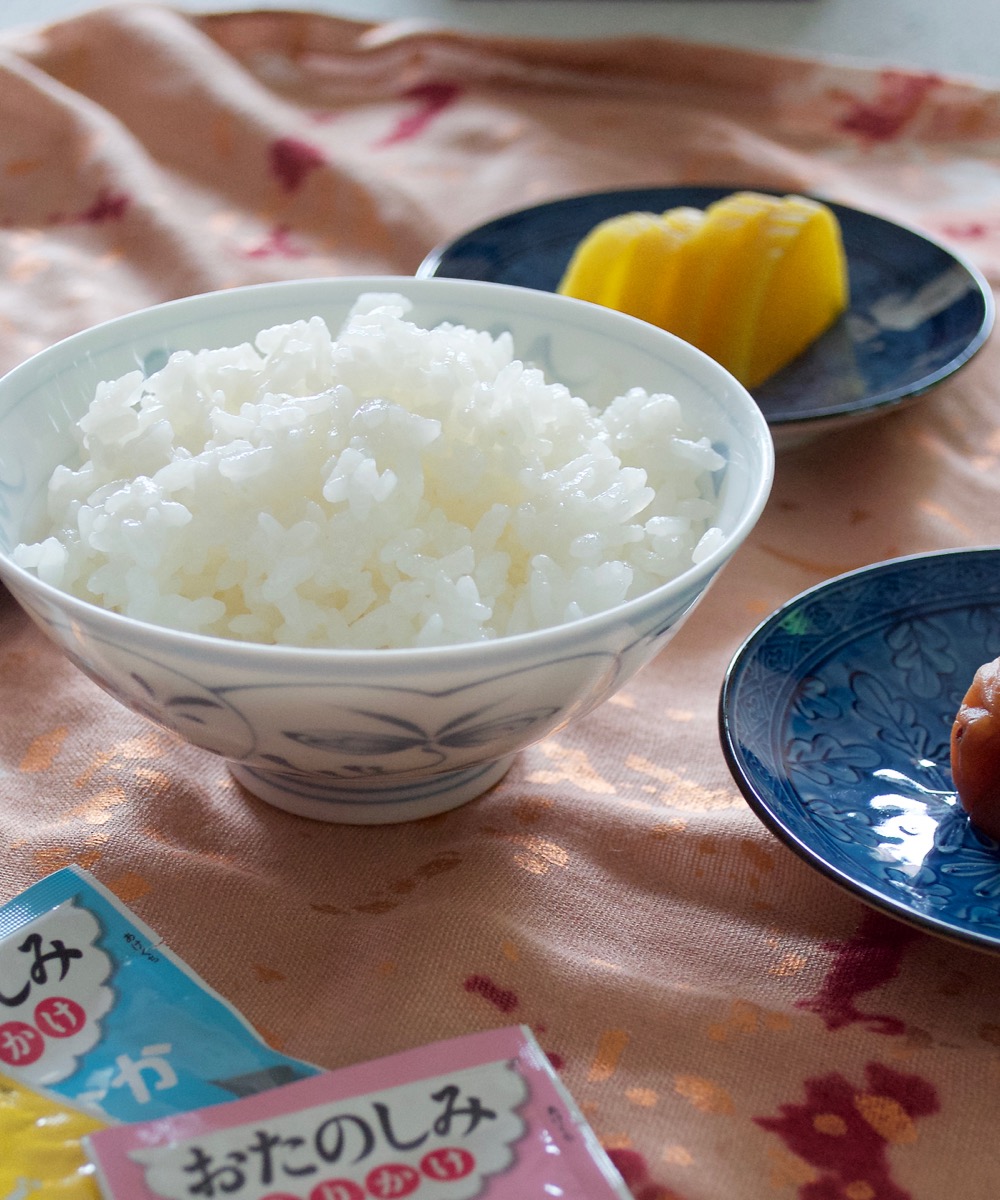
Credit: japan.recipetineats.com
Japanese Term For Cooked Rice
The Japanese language has a special word for cooked rice, an essential part of its culture and daily meals. Rice is a staple food in Japan, and its name reflects its importance. Understanding this term helps you connect with Japanese food and traditions.
This section explains the common words used and their kanji characters. It also covers how to pronounce these words correctly. Let’s explore the Japanese term for cooked rice.
Common Words Used
The most common word for cooked rice in Japanese is “gohan”. This word means both “cooked rice” and “meal.” People often use it in daily conversations. Another word is “meshi”, which is less formal and used mostly by men or in casual speech.
Both words describe rice after it is cooked, ready to eat. Raw rice, by contrast, has a different name. Knowing these words helps you understand menus and recipes better.
Kanji And Pronunciation
The kanji for gohan is ご飯. The first character ご is an honorific prefix, while 飯 means “meal” or “cooked rice.” The pronunciation is “go-han,” with a soft “g” and short vowels.
For meshi, the kanji is 飯 alone. Its pronunciation is “me-shi,” with emphasis on the first syllable. This word is straightforward but less polite than gohan.
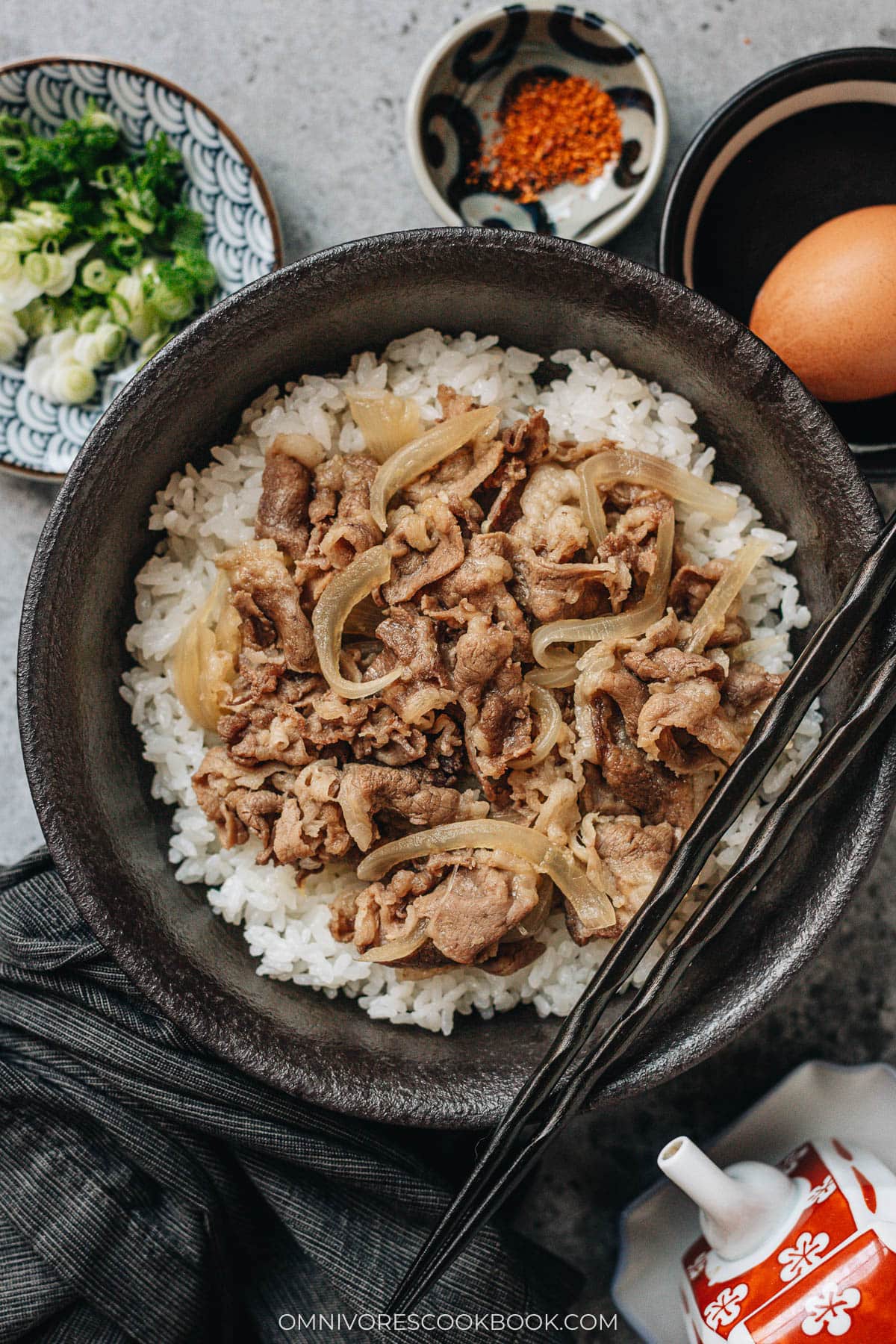
Credit: omnivorescookbook.com
Cultural Importance Of Rice
Rice holds a special place in Japanese culture. It is not just food but a symbol of life and community. The Japanese word for cooked rice is “gohan,” which also means “meal.” This shows how deeply rice is tied to daily life and tradition.
Rice has shaped many customs and rituals. It connects people to their history and land. The cultural importance of rice goes beyond the kitchen.
Role In Japanese Cuisine
Rice is the base of most Japanese meals. It pairs with fish, vegetables, and soups. Cooked rice is served plain to highlight its natural taste.
Rice is used in sushi, rice balls, and many snacks. It is a staple that fills the stomach and comforts the soul.
Symbolism And Traditions
Rice symbolizes purity, prosperity, and life in Japan. It appears in ceremonies like weddings and New Year celebrations.
Farmers thank the gods for a good rice harvest. Rice offerings are common in shrines and homes.
Sharing rice strengthens family bonds and respect for nature. It carries deep meaning beyond nourishment.
Cooking Methods For Rice
Cooking rice perfectly is an art in Japanese culture. The word for cooked rice is “gohan,” which also means a meal. Different cooking methods shape the texture and taste of rice. These methods range from age-old traditions to modern technology. Each technique brings unique qualities to the rice served at the table.
Traditional Techniques
Traditional Japanese cooking uses a clay pot called donabe. It heats rice evenly and gives a slightly smoky flavor. Rice is rinsed many times to remove excess starch. Water-to-rice ratio is carefully measured for softness. The pot is covered tightly during cooking. After heating, rice rests for a few minutes to absorb steam. This resting step is vital for perfect texture. Many families still prefer this method for its authentic taste.
Modern Appliances
Electric rice cookers are common in Japanese homes. They use sensors to control temperature and cooking time. These appliances simplify the process and reduce mistakes. Some models have functions for different rice types. Quick cooking and keep-warm options add convenience. Modern cookers also save energy. Many users enjoy consistent results without constant attention. The rise of these devices shows how tradition meets technology in Japanese kitchens.
Rice Varieties In Japan
Rice is a staple food in Japan. It plays a central role in the Japanese diet and culture. Different types of rice offer unique tastes and textures. Understanding these varieties helps appreciate Japanese cuisine better.
Popular Types
Japan grows many rice varieties. The most common is Japonica rice. It is short-grain and sticky when cooked. Koshihikari is a famous type of Japonica rice. It is prized for its sweetness and softness. Another popular variety is Akitakomachi, known for its balance of flavor and texture. Sasanishiki is also well-liked for its mild taste. Each type suits different dishes and preferences.
Flavor And Texture Differences
Rice types vary in flavor and texture. Some are sweet, others more neutral. Sticky rice clumps together, perfect for sushi. Less sticky rice feels fluffy and separate. Texture affects how rice feels in the mouth. Flavor influences the overall taste of meals. Chewy rice adds a nice bite to dishes. Softer rice creates a smooth, gentle mouthfeel. These differences enrich Japanese meals and dining experiences.
Rice In Japanese Meals
Rice holds a special place in Japanese meals. It is more than just a side dish. Rice is the heart of the meal and a symbol of nourishment and care. The Japanese word for cooked rice is “gohan,” which also means “meal.” This shows how important rice is in daily life.
People in Japan eat rice with almost every meal. It pairs well with many ingredients and flavors. The texture and taste of rice balance the other dishes on the table. This simple grain supports the whole meal.
Common Dishes Featuring Rice
Many traditional Japanese dishes use cooked rice. Sushi is one famous dish made with vinegared rice and fresh fish. Donburi is a bowl of rice topped with meat or vegetables. Onigiri are rice balls filled with savory ingredients and wrapped in seaweed.
Rice also appears in fried rice dishes like “chahan,” which mix rice with eggs and vegetables. These dishes show rice’s versatility in Japanese cooking.
Eating Etiquette
Eating rice in Japan follows simple rules. It is polite to lift the rice bowl close to your mouth. Use chopsticks carefully to pick up rice without dropping grains.
Never stick chopsticks vertically into the rice. This resembles a ritual for the dead and is considered rude. Finishing all the rice in your bowl shows respect for the food and the cook.

Credit: blog.surapera.com
Frequently Asked Questions
What Is The Japanese Word For Cooked Rice?
The Japanese word for cooked rice is “Gohan” (ご飯). It specifically refers to rice that is steamed and ready to eat. In daily conversation, “Gohan” often means a meal in general, but its literal meaning is cooked rice.
How Is Cooked Rice Pronounced In Japanese?
Cooked rice in Japanese is pronounced as “Gohan” (go-han). The “go” sounds like “go” in English, and “han” is pronounced like “hahn. ” This word is commonly used in Japan to refer to meals centered around rice.
Does The Word “gohan” Mean Only Cooked Rice?
While “Gohan” literally means cooked rice, it also broadly means “meal” in Japanese. People use it to refer to breakfast, lunch, or dinner. The context usually tells if they mean rice or a meal in general.
What Is The Difference Between “gohan” And “meshi”?
Both “Gohan” and “Meshi” mean cooked rice, but “Gohan” is polite and common. “Meshi” is more casual or masculine. “Gohan” is widely used in everyday speech and written Japanese.
Conclusion
The Japanese word for cooked rice is simple and common: “gohan. ” It shows up in many dishes and daily conversations. Knowing this word helps you understand Japanese culture better. Rice is more than food; it holds a special place in Japan.
Now you can recognize this word next time you see a menu or hear a story. Small words like “gohan” open doors to new learning and fun. Keep exploring Japanese words step by step. It makes your language journey easier and more enjoyable.

Hello, This is Annie Walker, a 38-year-old blogger, founder, and editor of Cookware Guider from NY, USA. I am a cookware fanatic and passionate cooker. I love to cook with different types of cooking appliances (example: all types of cookware, rice cookers, slow cookers, etc) almost every day in my kitchen. I love to share my experience with my readers in my blog. Also, I enjoy helping people to solve their problems through my website. You can follow me on Twitter & Pinterest. To know details about my blog please check the about us page.