
Have you ever stared at your pot of rice, wondering if it’s truly done cooking? You’re not alone.
Cooking rice perfectly can feel tricky, and the last thing you want is undercooked grains or a sticky, mushy mess. Knowing exactly when rice is done can save you time, avoid frustration, and make your meals taste better. You’ll discover simple ways to tell when your rice is perfectly cooked every time.
Keep reading, and you’ll never second-guess your rice again.
Credit: www.thekitchn.com
Types Of Rice And Cooking Times
Rice comes in many types, each with its own cooking time. Knowing the type helps you cook rice perfectly. Cooking times vary by grain size and processing. This guide covers common rice types and how long they take to cook.
Short, Medium, And Long Grain Varieties
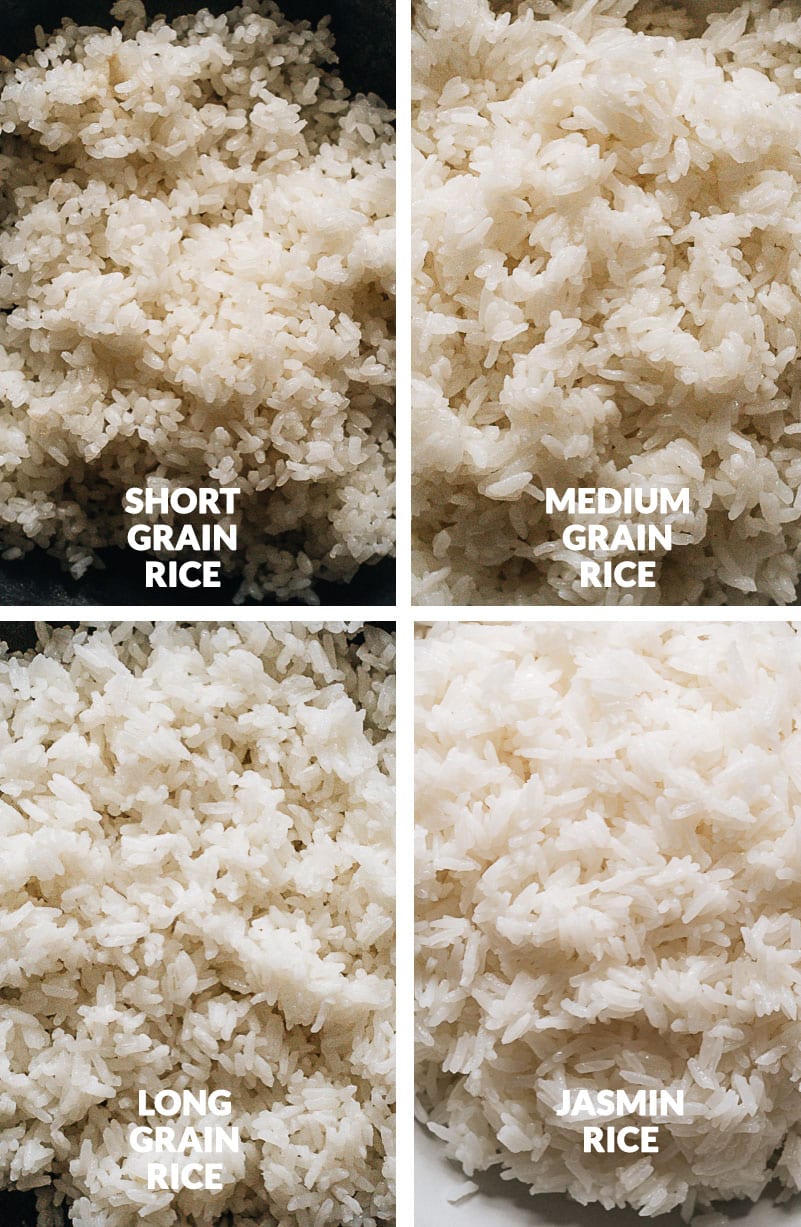
Short grain rice is sticky and soft when cooked. It usually takes about 15 to 20 minutes to cook. Medium grain rice is less sticky and cooks in 18 to 20 minutes. Long grain rice stays fluffy and separate. It needs about 20 minutes to cook fully.
Brown Vs White Rice
Brown rice has the bran layer, making it chewier. It takes longer to cook, about 40 to 45 minutes. White rice has this layer removed, so it cooks faster. Usually, white rice cooks in 15 to 20 minutes. Brown rice also absorbs more water during cooking.
Specialty Rices And Their Needs
Specialty rices like basmati and jasmine have unique cooking times. Basmati rice needs about 15 to 20 minutes, with soaking recommended. Jasmine rice cooks in 15 minutes and is fragrant. Wild rice is not true rice and takes 40 to 50 minutes. Always check packaging for specific instructions.
Credit: omnivorescookbook.com
Signs Rice Is Fully Cooked
Knowing when rice is fully cooked is key to making a perfect meal. Undercooked rice feels hard and dry. Overcooked rice turns mushy and sticky. Recognizing clear signs helps you stop cooking at the right time. These signs include texture, water absorption, and visual cues.
Texture And Tenderness
Rice should feel soft and tender to bite. It should not be crunchy or hard inside. Take a small spoonful and chew. The grains should break easily but keep their shape. If the rice feels firm, cook a little longer. Avoid overcooking to keep the rice fluffy.
Water Absorption Check
All the water should be absorbed by the rice. Check the pot by tilting it slightly. No water should pool at the bottom. If water remains, continue cooking on low heat. The rice grains soak the water to become tender. Proper absorption means the rice is done.
Visual Cues To Watch For
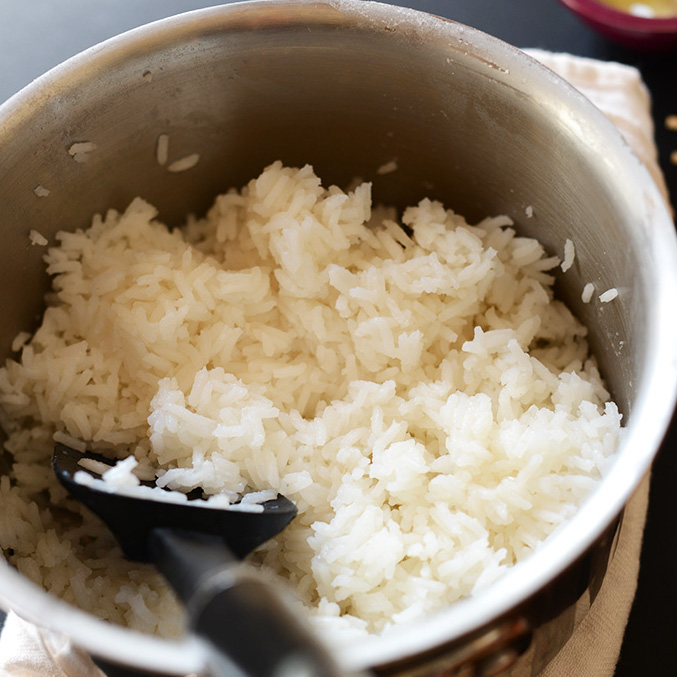
The rice surface looks dry and fluffy. Separate grains appear distinct, not clumped together. Steam rises gently from the pot’s surface. The rice expands and swells during cooking. Watch for these changes as signs of readiness. These clues help avoid under or overcooking.
Common Cooking Methods
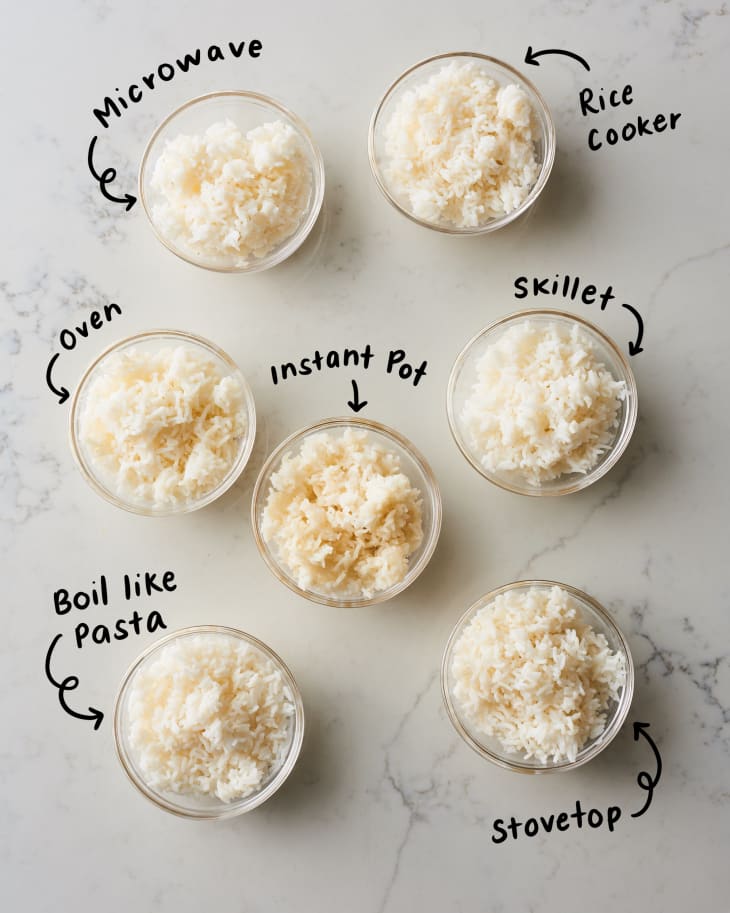
Rice cooks in several ways. Each method has its own steps and timing. Knowing these methods helps you cook rice perfectly every time. Let’s explore the common cooking methods for rice.
Stovetop Techniques
Start by rinsing rice under cold water. Use a pot with a tight lid. Add water and rice in the right ratio. Bring water to a boil, then reduce heat to low. Cover the pot and let rice simmer. Avoid lifting the lid during cooking. After 15-20 minutes, check if water is absorbed. Fluff the rice with a fork before serving.
Rice Cooker Tips
Rice cookers make cooking easy and consistent. Rinse rice before placing it in the cooker. Add water using the cooker’s measuring lines. Close the lid and press the start button. The cooker switches off or to warm mode when done. Let rice rest for a few minutes. Fluff rice gently before serving.
Microwave Cooking
Use a microwave-safe bowl with a lid or cover. Rinse rice and add water using a 1:2 ratio. Cover the bowl loosely to allow steam out. Cook on high power for 10 minutes. Then, cook on medium power for 15 minutes. Let rice sit in the microwave for 5 minutes. Fluff with a fork before serving.
Avoiding Common Rice Cooking Mistakes
Cooking rice perfectly can be tricky. Many people face common problems that spoil the rice texture and taste. Avoiding these mistakes ensures fluffy and tasty rice every time. Understanding how water, cooking time, and stirring affect rice helps a lot.
Too Much Or Too Little Water
Water amount is key for good rice. Too much water makes rice mushy and sticky. Too little water leaves rice hard and dry. Measure water carefully. Use the right ratio for the rice type. Usually, one cup of rice needs about two cups of water. Adjust slightly for personal preference.
Overcooking And Undercooking
Cooking rice too long causes it to become soft and mushy. Undercooked rice feels crunchy and tough. Set a timer to avoid guessing. Most rice types cook in 15 to 20 minutes. Turn off heat once water is absorbed. Let rice rest for a few minutes before serving. This finishes the cooking gently.
Stirring And Its Effects
Stirring rice while cooking breaks grains and makes it sticky. Avoid stirring during cooking. Stir only before adding water or after cooking to fluff rice. Let the rice cook undisturbed for best results. This keeps grains separate and fluffy.
Enhancing Flavor And Texture
Cooking rice is not just about timing. Flavor and texture make rice enjoyable. Small steps can make rice taste better and feel softer. These tips help get the best rice every time.
Rinsing And Soaking Rice
Rinsing rice removes extra starch. This stops rice from sticking together. Soaking rice softens the grains. It helps rice cook evenly. A quick rinse and soak can improve texture a lot.
Using Broth And Seasonings
Cooking rice in broth adds rich flavor. Use chicken, vegetable, or beef broth instead of water. Adding salt, herbs, or spices enhances taste. Simple seasonings make rice more exciting. Try garlic powder or a bay leaf for mild aroma.
Resting And Fluffing Rice
Resting rice after cooking lets moisture spread. This step makes rice less sticky. Fluff rice gently with a fork. This separates grains and improves texture. Rest and fluff rice before serving for the best result.
Troubleshooting Rice Problems
Rice cooking can sometimes be tricky. Problems like mushy rice, undercooked grains, or sticky clumps can happen. Knowing how to fix these issues helps make perfect rice every time.
Fixing Mushy Rice
Mushy rice means too much water or overcooking. To fix this, spread the rice on a baking sheet. Let it dry in the oven at low heat for a few minutes. This removes extra moisture. Next time, reduce water and cooking time.
Reviving Undercooked Grains
Undercooked rice feels hard or crunchy. Add a few tablespoons of water to the pot. Cover and cook on low heat for 5-10 minutes. The steam will soften the grains. Check often to avoid overcooking.
Preventing Sticky Clumps
Sticky rice can be caused by starch leftover on grains. Rinse rice under cold water before cooking. This removes excess starch. Use the right water amount and avoid stirring rice while it cooks. Fluff rice gently after cooking to separate grains.
Credit: minimalistbaker.com
Frequently Asked Questions
How Can I Tell When Rice Is Fully Cooked?
Rice is done when it’s tender and all water is absorbed. The grains should be soft yet separate, not mushy or crunchy.
How Long Does Rice Typically Take To Cook?
White rice usually cooks in 15–20 minutes, while brown rice takes 40–45 minutes. Times vary by type and cooking method.
What Should Rice Texture Be When It’s Done?
Cooked rice should be fluffy and slightly firm, not sticky or hard. Each grain must be cooked through evenly.
Can Undercooked Rice Be Fixed After Cooking?
Yes, add a little water and cook longer on low heat. Cover and steam until grains soften properly.
Conclusion
Rice cooks best when you watch and test it often. Soft grains and no water left means it’s done. Cooking times can change with rice type and heat. Let rice rest a few minutes after cooking. This helps it finish steaming and become fluffy.
Practice makes perfect—each time you cook, you learn more. Soon, you will know just when your rice is ready. Enjoy your meals with perfectly cooked rice every time. Simple steps lead to great results in the kitchen.

Hello, This is Annie Walker, a 38-year-old blogger, founder, and editor of Cookware Guider from NY, USA. I am a cookware fanatic and passionate cooker. I love to cook with different types of cooking appliances (example: all types of cookware, rice cookers, slow cookers, etc) almost every day in my kitchen. I love to share my experience with my readers in my blog. Also, I enjoy helping people to solve their problems through my website. You can follow me on Twitter & Pinterest. To know details about my blog please check the about us page.