
Are you curious about what makes Teflon cookware so popular in kitchens everywhere? If you want pots and pans that cook your food evenly and clean up with ease, Teflon might be the answer.
But before you buy, it’s important to understand what Teflon cookware really is and how it works. This article will give you clear, simple facts so you can decide if it’s the right choice for your cooking needs. Keep reading to discover the truth behind Teflon cookware and how it can make your time in the kitchen easier and more enjoyable.
Credit: www.teflon.com
What Is Teflon
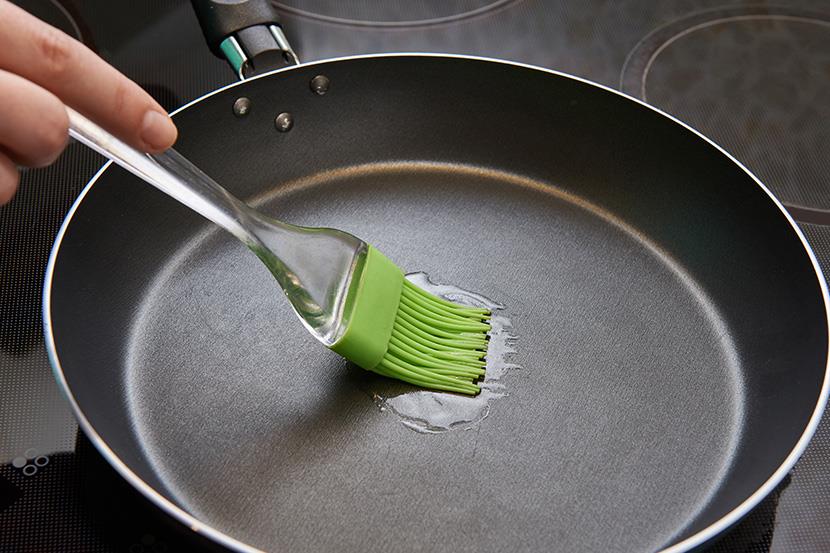
Teflon is a popular material used in cookware for its non-stick properties. It makes cooking and cleaning easier by preventing food from sticking to pans. Teflon cookware has a smooth, slippery surface that requires less oil, promoting healthier cooking. Understanding what Teflon is helps you know why it is widely used in kitchens around the world.
Chemical Composition
Teflon is a brand name for a chemical called polytetrafluoroethylene (PTFE). This compound belongs to a group called fluoropolymers. PTFE is made up of carbon and fluorine atoms. The carbon atoms form a long chain, and each carbon atom is bonded to two fluorine atoms.
The strong bond between carbon and fluorine makes Teflon very resistant to heat and chemicals. This is why it does not break down easily when heated or cleaned with strong detergents.
- Carbon-fluorine bonds: Extremely strong and stable
- Non-reactive: Does not react with most substances
- Heat resistant: Can withstand high cooking temperatures
- Low friction: Food slides easily on its surface
| Element | Role in PTFE |
|---|---|
| Carbon (C) | Forms the backbone of the polymer chain |
| Fluorine (F) | Creates a protective shield around carbon atoms |
This chemical structure gives Teflon its unique properties. It is why food does not stick, and cookware lasts long without damage.
History And Development
Teflon was discovered by accident in 1938 by a scientist named Roy Plunkett. He was working with gases related to refrigerants when he noticed a white, waxy solid formed unexpectedly. This solid was later identified as PTFE.
The material’s first major use was in industry because of its resistance to heat and chemicals. It was not until the 1950s that Teflon was applied to cookware. The idea was to create pans where food would not stick and cooking would be easier.
- 1938: Discovery of PTFE by Roy Plunkett
- 1940s: Industrial use of Teflon begins
- 1954: First Teflon-coated frying pan introduced
- 1960s and beyond: Teflon becomes common in kitchens worldwide
Teflon’s popularity grew fast because it changed how people cooked. Cleaning became less time-consuming. The non-stick surface also helped cook food evenly and prevent burning.
Today, Teflon cookware remains popular, though new materials are also available. Its history shows how a simple discovery can lead to a useful product in everyday life.
How Teflon Works
Teflon cookware is popular for its unique surface that makes cooking and cleaning easier. The secret lies in how Teflon works at the molecular level. Teflon is a brand name for a material called polytetrafluoroethylene (PTFE). This material has special qualities that make food less likely to stick and the cookware highly resistant to heat. Understanding these qualities helps explain why Teflon cookware is so widely used in kitchens around the world.
Non-stick Properties
Teflon’s most famous feature is its non-stick surface. This happens because Teflon has very low surface energy. Low surface energy means that food and liquids do not cling to it. Instead, they slide off easily. This property reduces the need for extra oils or butter during cooking.
Here are some key points about Teflon’s non-stick nature:
- Smooth Surface: Teflon forms a smooth, slippery coating on pans.
- Food Release: Food slides off without much effort.
- Easy Cleaning: Residue washes away quickly with water and soap.
- Less Oil Needed: Cooking can be healthier with less fat.
Below is a simple comparison of Teflon cookware and traditional cookware regarding stickiness:
| Feature | Teflon Cookware | Traditional Cookware |
|---|---|---|
| Stickiness | Very low | High |
| Oil Needed | Little to none | Moderate to high |
| Cleaning Ease | Quick and simple | Requires scrubbing |
Teflon’s non-stick surface makes cooking less messy and cleanup faster. It also helps prevent food from breaking apart while cooking, which is great for delicate dishes like fish or eggs.
Heat Resistance
Teflon can handle heat well, which makes it safe for cooking. It does not melt or break down easily at normal cooking temperatures. This heat resistance comes from the strong chemical bonds in the PTFE material. These bonds hold the molecules tightly together, allowing Teflon to stay stable even when hot.
Important facts about Teflon’s heat resistance include:
- Safe Cooking Range: Teflon cookware is safe up to about 260°C (500°F).
- Prevents Warping: The coating protects pans from damage due to heat.
- Maintains Non-Stick Property: Heat does not easily wear off the surface.
Use this table to understand Teflon’s heat limits compared to common cooking methods:
| Cooking Method | Typical Temperature | Safe for Teflon? |
|---|---|---|
| Sautéing | 160°C – 220°C (320°F – 430°F) | Yes |
| Baking | 175°C – 230°C (350°F – 450°F) | Yes |
| Broiling | 260°C – 315°C (500°F – 600°F) | No (Risk of damage) |
Heating Teflon above 260°C may cause the coating to degrade. This can release fumes that are harmful if inhaled. Always avoid empty heating of Teflon pans or using them on very high heat settings.
Types Of Teflon Cookware
Teflon cookware is popular for its non-stick surface, making cooking and cleaning easier. It comes in various types designed for different cooking needs. Understanding the types of Teflon cookware helps choose the right tools for your kitchen. The main categories include pans, skillets, bakeware, and griddles. Each type offers unique benefits and suits different cooking styles.
Pans And Skillets
Pans and skillets coated with Teflon are staples in many kitchens. They provide a smooth, non-stick surface that prevents food from sticking and reduces the need for oil. This makes them ideal for cooking eggs, pancakes, and stir-fries.
Common features of Teflon pans and skillets:
- Lightweight and easy to handle – Great for quick cooking tasks.
- Even heat distribution – Helps cook food uniformly without hot spots.
- Easy to clean – Food residue slides off easily.
Here is a comparison table showing popular Teflon pans and skillets:
| Type | Typical Size | Best For | Notes |
|---|---|---|---|
| Frying Pan | 8 to 12 inches | Frying, sautéing | Versatile for daily use |
| Skillet | 10 to 14 inches | Searing, browning | Usually deeper than frying pans |
| Saute Pan | 8 to 12 inches | Sautéing with liquids | Has straight sides to hold sauces |
Using Teflon pans ensures less oil is needed, promoting healthier cooking. They work well on gas, electric, and ceramic stovetops. Avoid metal utensils to protect the Teflon coating. Wooden or silicone tools are best.
Bakeware And Griddles
Teflon bakeware and griddles offer non-stick benefits for baking and griddle cooking. Bakeware includes items like cookie sheets, cake pans, and muffin tins. These make baking easier by preventing sticking and allowing quick release of baked goods.
Griddles with Teflon coating provide a flat, smooth surface ideal for cooking pancakes, bacon, or grilled sandwiches. They heat evenly and clean easily.
Benefits of Teflon bakeware and griddles:
- Non-stick surface reduces need for grease or parchment paper.
- Even heating ensures consistent baking or cooking results.
- Durable coating lasts through many uses if properly cared for.
Below is a brief guide on common Teflon bakeware and griddles:
| Item | Use | Typical Material | Care Tips |
|---|---|---|---|
| Cookie Sheet | Baking cookies, roasting vegetables | Aluminum or steel base | Hand wash recommended |
| Cake Pan | Baking cakes and breads | Heavy-gauge metal | Avoid sharp tools to prevent scratches |
| Griddle | Cooking pancakes, eggs, sandwiches | Cast aluminum or steel | Use wooden spatulas |
Teflon bakeware and griddles improve cooking results and reduce cleanup time. They are perfect for everyday use in baking and breakfast preparation. Proper care extends their life and keeps the non-stick surface intact.
Benefits Of Teflon Cookware
Teflon cookware is popular for its non-stick surface, making cooking simpler and cleaner. The benefits of Teflon cookware go beyond just easy cooking. It saves time, reduces the need for oil, and makes cleaning fast and easy. Many people choose Teflon pans because they help cook food without sticking or burning. This feature improves the cooking experience, especially for beginners or busy people. Understanding these benefits helps in choosing the right cookware for everyday use.
Easy Cleaning
One of the biggest benefits of Teflon cookware is how easy it is to clean. The non-stick coating stops food from sticking to the pan. This means less scrubbing after cooking. Food particles slide off with just a quick rinse. Even burnt food is easier to remove compared to traditional pans.
Cleaning Teflon cookware usually requires:
- Warm water
- Mild dish soap
- A soft sponge or cloth
There is no need for hard scrubbing or steel wool, which can damage the pan’s surface. This gentle cleaning helps keep the pan in good condition for a longer time.
| Cleaning Method | Effect on Teflon Surface | Recommended |
|---|---|---|
| Soft sponge with soap | No damage, keeps surface smooth | Yes |
| Steel wool or abrasive scrubbers | Scratches and damages coating | No |
| Dishwasher | May reduce coating life | Occasionally |
Because cleaning is simple, users spend less time washing up and more time enjoying their meals. The smooth surface also means pans dry quickly and stay shiny.
Health Considerations
Teflon cookware allows cooking with less oil or fat. This can help reduce calorie intake and promote healthier meals. The non-stick surface means food cooks evenly without burning, which avoids producing harmful compounds.
Some questions exist about the safety of Teflon, especially if overheated. Here are key points to know:
- Teflon is safe below 500°F (260°C).
- Overheating can release fumes, which may cause temporary flu-like symptoms.
- Using moderate heat prevents damage and health risks.
- Do not heat empty pans for long periods.
Choosing PFOA-free Teflon cookware reduces chemical exposure. Most modern Teflon pans are PFOA-free, making them safer for daily use.
| Health Factor | Details |
|---|---|
| Oil Usage | Less oil needed, supports low-fat cooking |
| Overheating Risks | Fumes may cause flu-like symptoms if pan is too hot |
| Safety Tips | Use medium heat, avoid empty heating |
| PFOA Content | Most modern pans are PFOA-free |
Following these guidelines ensures Teflon cookware remains a healthy choice for everyday cooking. It offers a balance between convenience and safety for home kitchens.
Safety Concerns
Teflon cookware is popular for its non-stick surface and easy cleaning. Many people use it daily for cooking. Despite its benefits, there are important safety concerns to know. Understanding these risks helps keep your kitchen safe and your food healthy. This section explains the main safety issues linked to Teflon cookware.
Overheating Risks
Teflon coatings are made of a substance called PTFE. This material works well at normal cooking temperatures but can break down if overheated. When the pan gets too hot, the coating releases fumes that may be harmful.
Here are key points about overheating:
- Safe temperature: Teflon is safe below 260°C (500°F).
- Danger zone: Above 260°C, the coating may start to degrade.
- Fumes: Released fumes can cause flu-like symptoms in humans, known as “Teflon flu.”
- Pets: Birds are very sensitive and can be seriously harmed by these fumes.
Use these tips to avoid overheating:
- Cook on low to medium heat.
- Never preheat an empty Teflon pan.
- Turn off the stove immediately after cooking.
| Temperature (°C) | Effect on Teflon |
|---|---|
| Below 260 | Safe, no fumes released |
| 260 – 350 | Coating starts to degrade, fumes released |
| Above 350 | Severe breakdown, toxic fumes |
Chemical Exposure
Teflon is made using chemicals like PFOA in some older products. These chemicals raised health concerns because they can stay in the environment and the body for a long time.
Important facts about chemical exposure:
- PFOA: Used in the past to make Teflon. Linked to health risks.
- Modern Teflon: Most new cookware is PFOA-free.
- Risk level: Proper use limits chemical exposure.
- Damage: Scratched or damaged pans can release particles.
To reduce chemical exposure:
- Buy PFOA-free labeled cookware.
- Replace pans if the coating is chipped or peeling.
- Use wooden or silicone utensils to protect the surface.
- Clean gently without abrasive scrubbing.
Credit: www.youtube.com
Maintenance Tips
Teflon cookware is popular for its non-stick surface that makes cooking easier. To keep this cookware in good shape, proper maintenance is essential. Following simple care steps extends the life of your pans and keeps food cooking smoothly. Maintenance focuses on cleaning and handling to protect the delicate Teflon coating.
Proper Cleaning Methods
Cleaning Teflon cookware carefully helps maintain its non-stick surface and prevents damage. Avoid harsh scrubbing or strong chemicals that can wear down the coating.
- Use warm, soapy water: Wash pans with a soft sponge and mild dish soap after each use.
- Let food cool down: Allow the pan to cool before cleaning to avoid warping.
- Avoid dishwasher: Hand wash to protect the coating from harsh dishwasher detergents.
- Remove stuck food gently: Soak the pan in warm water to loosen residue, then wipe softly.
Here is a simple cleaning guide for Teflon cookware:
| Step | Action |
|---|---|
| 1 | Cool the pan after cooking |
| 2 | Fill with warm, soapy water |
| 3 | Use a soft sponge to clean |
| 4 | Rinse with clean water |
| 5 | Dry with a soft cloth or air dry |
Following these steps regularly keeps Teflon pans in top condition and ensures they last longer.
Avoiding Scratches
Scratches damage the Teflon coating and reduce the pan’s non-stick ability. Careful use and proper tools prevent scratches and keep the surface smooth.
- Use wooden or silicone utensils: Metal tools can scrape and damage the coating.
- Avoid stacking pans: Place soft cloth or paper towels between pans if stacking is necessary.
- Do not cut food in the pan: Always use a cutting board to protect the surface.
- Store carefully: Keep pans in a dry, safe place where they won’t bump against hard objects.
Here is a quick checklist to avoid scratches on Teflon cookware:
- Use non-metal utensils only.
- Do not stack without protection.
- Avoid sharp objects in the pan.
- Store pans separately or with padding.
Taking these precautions keeps your Teflon cookware smooth and prevents damage over time.
Alternatives To Teflon
Teflon cookware is popular for its non-stick surface and easy cleanup. Still, some people prefer other options due to health or environmental concerns. Alternatives to Teflon offer different benefits and cooking experiences. These options can be safer, more durable, or better for high-heat cooking. Exploring these alternatives helps find the best fit for your kitchen needs and cooking style.
Ceramic Coatings
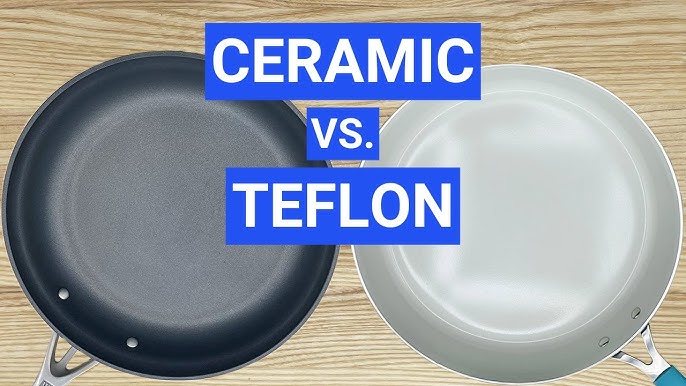
Ceramic-coated cookware is a common alternative to Teflon. It has a smooth, non-stick surface made from inorganic materials. The coating is free of chemicals like PTFE and PFOA, which some avoid in Teflon pans.
Ceramic pans heat quickly and cook food evenly. They work well for low to medium heat cooking. Here are some key points about ceramic coatings:
- Usually dishwasher safe, but hand washing extends life.
- Non-stick surface can wear off faster than Teflon.
- Can handle higher heat without releasing harmful fumes.
- Available in many colors and styles.
In comparison to Teflon, ceramic coatings might need more care:
| Feature | Teflon | Ceramic |
|---|---|---|
| Non-stick durability | Long-lasting | Moderate, wears faster |
| Heat tolerance | Up to 500°F (260°C) | Up to 600°F (315°C) |
| Cleaning | Easy, hand wash recommended | Dishwasher safe, hand wash better |
| Health concerns | PTFE/PFOA chemicals | Chemical-free |
Ceramic coatings offer a good balance between safety and convenience. They suit everyday cooking and are easy to use. For those avoiding chemicals, ceramic is a strong choice.
Cast Iron And Stainless Steel
Cast iron and stainless steel are traditional cookware materials. They do not have a non-stick coating but can perform well with proper use.
Cast iron pans are heavy but very durable. They develop a natural non-stick surface called seasoning. This makes them ideal for frying, searing, and baking. Benefits of cast iron include:
- Lasts for decades with care
- Retains and distributes heat evenly
- Can be used on all heat sources, including ovens and grills
- Adds iron to food, which is good for health
Stainless steel pans are lighter and easier to clean. They do not stick if preheated and used with enough oil. Stainless steel is great for boiling, sautéing, and browning foods. Key advantages are:
- Resistant to rust and corrosion
- Does not react with acidic foods
- Safe at very high temperatures
- Simple to maintain and polish
| Cookware Type | Weight | Maintenance | Best Use |
|---|---|---|---|
| Cast Iron | Heavy | Seasoning required | Searing, frying, baking |
| Stainless Steel | Medium | Easy cleaning | Sautéing, boiling, browning |
Both cast iron and stainless steel offer long-lasting cookware choices. They require a bit of skill but reward with excellent cooking results. These are perfect for those who want durable, chemical-free pans.

Credit: sciencenotes.org
Frequently Asked Questions
What Is Teflon Cookware Made Of?
Teflon cookware is coated with polytetrafluoroethylene (PTFE). This non-stick coating prevents food from sticking and makes cleaning easy. The base is usually aluminum or stainless steel for even heat distribution. Teflon improves cooking convenience and reduces oil usage.
Is Teflon Cookware Safe To Use?
Yes, Teflon cookware is safe when used correctly. Avoid overheating above 500°F to prevent toxic fumes. Do not use metal utensils to protect the non-stick layer. Proper care ensures safety and extends the cookware’s lifespan.
How Does Teflon Coating Work?
Teflon’s PTFE coating has a low friction surface. This makes food slide off easily during cooking. It reduces the need for oils and fats. The non-stick feature also simplifies cleaning and maintains food texture.
Can Teflon Cookware Be Used On All Stovetops?
Most Teflon cookware works on gas, electric, and ceramic stovetops. However, some are not compatible with induction cooktops. Always check the manufacturer’s instructions before use. Proper stovetop compatibility ensures optimal performance and safety.
Conclusion
Teflon cookware makes cooking easier and cleaning faster. It stops food from sticking and saves oil. Many people like it for everyday meals. Still, use it carefully to avoid damage. Overheating can harm the non-stick coating. Choose good quality pans for longer use.
Now you know what Teflon cookware is and why it matters. Cooking can be simple, quick, and less messy with it. Try to keep your pans safe and enjoy your meals.

Hello, This is Annie Walker, a 38-year-old blogger, founder, and editor of Cookware Guider from NY, USA. I am a cookware fanatic and passionate cooker. I love to cook with different types of cooking appliances (example: all types of cookware, rice cookers, slow cookers, etc) almost every day in my kitchen. I love to share my experience with my readers in my blog. Also, I enjoy helping people to solve their problems through my website. You can follow me on Twitter & Pinterest. To know details about my blog please check the about us page.