
Sharpening kitchen knives may sound simple, but using a handheld knife sharpener the right way makes a big difference. Many home cooks struggle with dull blades, which slow down prep and make cutting unsafe. If your knife slips on a tomato or struggles with chicken, you need sharper tools.
This guide shows you exactly how to use a handheld knife sharpener, step by step. You’ll learn the correct technique, common mistakes, and how to keep your knives sharp longer. Even if you’re new to sharpening, you’ll finish with confidence and safer, faster meal prep.
What Is A Handheld Knife Sharpener?
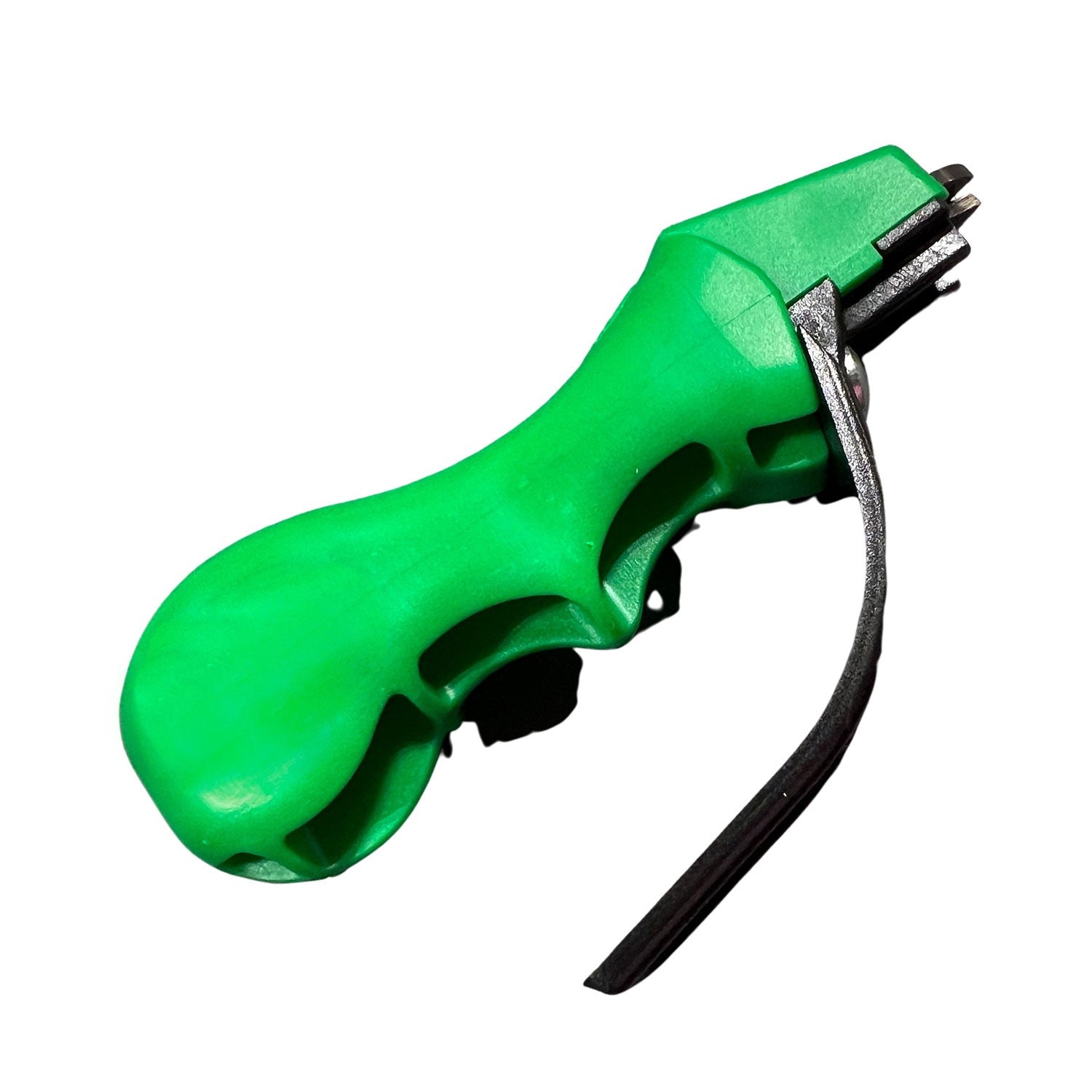
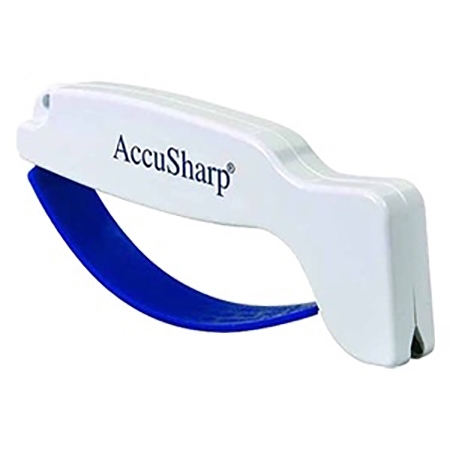
A handheld knife sharpener is a compact tool designed for easy, quick sharpening. Unlike large sharpening stones or electric machines, it fits in your hand and often has slots for different blade types. Most handheld sharpeners use ceramic, carbide, or diamond rods inside the slots to grind and hone the blade edge. You pull the knife through these slots, and the rods sharpen the blade.
Types Of Handheld Knife Sharpeners
There are several designs you might see:
- Pull-through sharpeners – These have one or more slots you pull the knife through. Each slot uses different materials for sharpening or honing.
- V-shaped sharpeners – Two rods form a V shape. You drag the knife down each side.
- Pocket sharpeners – Small, foldable tools, great for camping or travel.
Here’s a quick comparison of the main handheld sharpener types:
| Sharpener Type | Main Feature | Best For | Average Price |
|---|---|---|---|
| Pull-through | Multiple slots | Home kitchens | $10–$30 |
| V-shaped | Simple design | Quick sharpening | $5–$20 |
| Portable | Outdoor use | $5–$15 |
Most home cooks use a pull-through sharpener, which offers easy sharpening and usually has both coarse and fine slots.
Why Sharp Knives Matter
A sharp knife is not just about speed—it’s about safety and quality. Dull knives require more force, so you risk slipping and cutting yourself. Sharp blades create clean cuts, which keeps food fresh and helps with presentation. According to the National Safety Council, dull knives are one of the top causes of kitchen accidents.
Sharp knives also make cooking faster. You slice vegetables, meats, and bread with less effort. If you cook often, keeping your knives sharp saves time every week. Professional chefs sharpen their knives daily, but most home cooks can get by with weekly or monthly sharpening.
Credit: kasco.com
Preparing To Use Your Handheld Knife Sharpener
Before sharpening, some simple steps help you get the best results and keep your kitchen safe.
Choose The Right Sharpener
Not all sharpeners work for every knife. Check your knife’s shape and material. Most handheld sharpeners are for straight-edge knives, not serrated blades. If your sharpener has a “serrated” slot, use it only for bread knives or saw-toothed blades.
Clean Your Knife
Always start with a clean, dry knife. Dirt, oil, or water can affect sharpening and damage the sharpener’s rods.
Set Up Your Workspace
Find a stable surface. Many handheld sharpeners have rubber feet to prevent slipping. Place a towel under the sharpener for extra grip. Make sure your space is well-lit and free from distractions.
Step-by-step: How To Use A Handheld Knife Sharpener
Using a handheld sharpener is easy, but technique matters. Follow these steps for safe, effective sharpening.
1. Identify The Slots
Most sharpeners have two slots:
- Coarse slot: For dull knives. It removes more metal and restores the edge.
- Fine slot: For finishing or maintaining the edge. It polishes and smooths the blade.
Some sharpeners have extra slots for serrated knives or scissors. Check the label or manual.
2. Hold The Sharpener Correctly
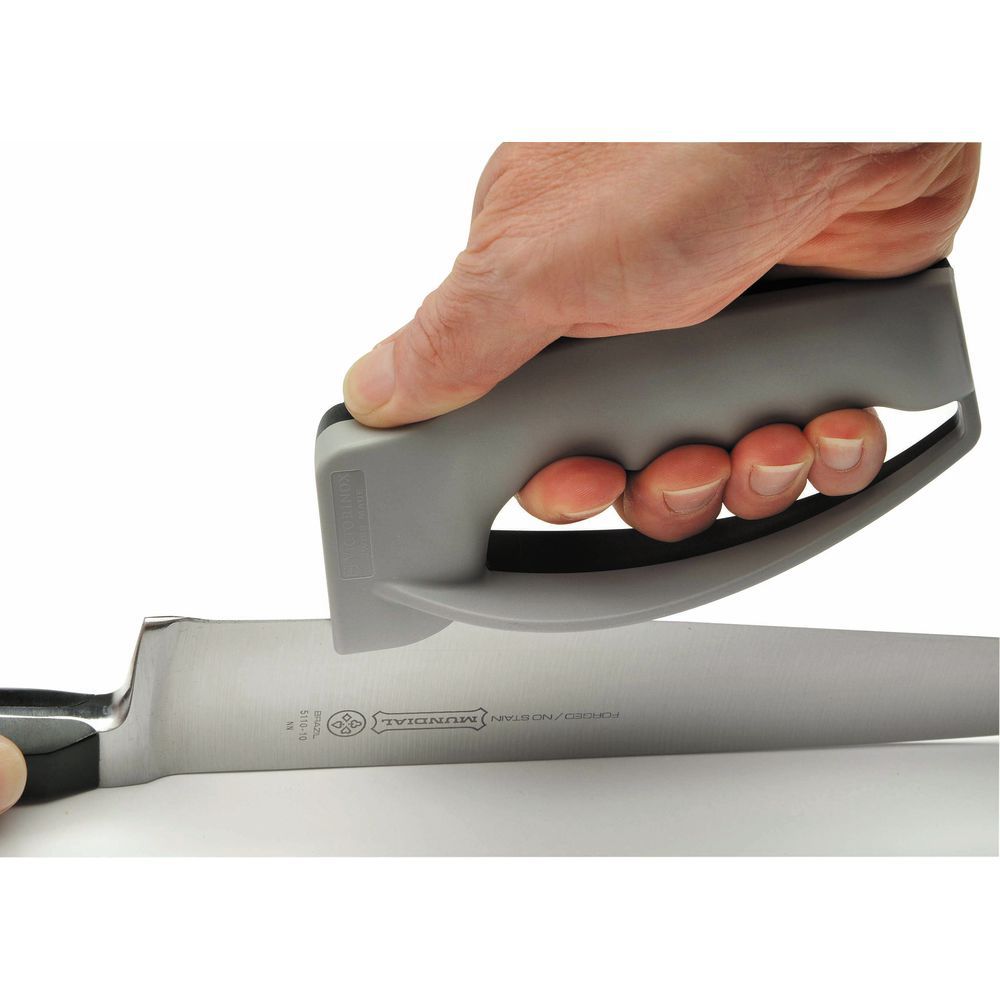
Grip the sharpener firmly with your non-dominant hand. Keep your fingers away from the slots. If your sharpener has a handle, wrap your fingers around it. Place the sharpener flat on your work surface.
3. Position The Knife
Insert the knife blade into the slot, starting at the heel (the end closest to the handle). Hold the knife vertically or at the angle suggested by your sharpener’s manual (usually 15–20 degrees).
4. Pull The Knife Through
Pull the knife smoothly through the slot, from heel to tip. Use light, even pressure. Do not saw back and forth—only pull in one direction. Repeat 3–6 times, depending on how dull the knife is.
For the fine slot, repeat the same motion. Usually 2–4 passes is enough.
5. Check The Edge
After sharpening, carefully check the edge. Run your thumb gently across (not along) the blade. If it feels sharp, you’re done. If not, repeat the process.
6. Clean The Knife Again
Wipe the blade with a damp cloth to remove metal shavings. Dry it completely before storing.
Here’s a visual summary of the steps:
| Step | Action | Tip |
|---|---|---|
| 1 | Identify slots | Coarse for dull, fine for finishing |
| 2 | Hold sharpener | Grip firmly, fingers away |
| 3 | Position knife | Start at heel, vertical angle |
| 4 | Pull knife | Smooth, one direction, light pressure |
| 5 | Check edge | Test with thumb, repeat if needed |
| 6 | Clean knife | Remove shavings, dry blade |
How Often Should You Sharpen Your Knives?
Frequency depends on use and knife quality. Here are some general guidelines:
- Daily cooks: Sharpen every week.
- Occasional cooks: Sharpen every month.
- Professional chefs: Sharpen daily or before each shift.
Some knives hold their edge longer. Japanese knives (like Santoku or Gyuto) use harder steel and may need less frequent sharpening. German knives (like Wüsthof or Henckels) are softer but tougher, so they benefit from regular maintenance.
A simple test: Try slicing a tomato. If the blade struggles, it’s time to sharpen.
Common Mistakes When Using Handheld Knife Sharpeners
Even experienced cooks make mistakes. Avoid these pitfalls to protect your knives and sharpener.
Using Too Much Pressure
Applying heavy force can damage the blade and wear out the sharpener. Use gentle, steady pressure. The sharpener’s rods do the work.
Sharpening In Both Directions
Always pull the knife in one direction. Back-and-forth motion can bend the edge and dull the blade.
Ignoring The Fine Slot
Some users skip the fine slot, thinking the coarse slot is enough. The fine slot polishes and smooths the blade, which helps the edge last longer.
Sharpening Serrated Knives Wrong
Handheld sharpeners are mostly for straight-edge knives. If you use the wrong slot for a serrated blade, you can damage the teeth.
Not Cleaning After Sharpening
Metal shavings left on the blade can rust or contaminate food. Always clean after sharpening.
Here are two often-missed insights:
- Angle matters: Even with a handheld sharpener, keeping the blade vertical or at the correct angle is key. Many people tilt the knife too much and get a poor edge.
- Over-sharpening: Sharpening too often removes too much metal. If you sharpen every day but only cook once a week, you’ll wear out your knives quickly.
Comparing Handheld Knife Sharpeners To Other Sharpening Tools
Many people wonder if handheld sharpeners are as good as stones or electric machines. Here’s a quick comparison to help you decide.
| Sharpening Tool | Ease of Use | Edge Quality | Maintenance | Price Range |
|---|---|---|---|---|
| Handheld Sharpener | Very easy | Good for home use | Low | $10–$30 |
| Sharpening Stone | Requires skill | Excellent | Medium | $20–$80 |
| Electric Sharpener | Automatic | Very good | Low | $30–$100 |
Handheld sharpeners offer convenience and speed. Stones give a finer edge but need practice. Electric machines are fast but cost more and take up space.
Practical Tips For Best Results
Here are some expert tips to improve your sharpening routine:
- Read the manual: Each sharpener is a bit different. Check the instructions for angle and slot use.
- Sharpen before cooking: A sharp knife makes meal prep quicker and safer. Build sharpening into your routine.
- Use a honing rod: After sharpening, use a honing rod to align the blade edge. This step keeps the edge sharp longer.
- Store knives correctly: Dullness often comes from poor storage. Use a knife block or magnetic strip. Avoid tossing knives in drawers.
- Keep sharpener clean: Wipe slots with a damp cloth after use. Metal dust can build up and reduce effectiveness.
- Know your knife type: Japanese knives need a finer angle. German knives handle a wider angle. Match your sharpener’s settings to your knives.
Sharpening Specialty Knives
Not all knives are equal. Here’s how to handle different types:
Serrated Knives
Most handheld sharpeners are not for serrated blades. If yours has a serrated slot, use it only for bread knives. Otherwise, sharpen the flat side gently, or use a professional service.
Ceramic Knives
Ceramic blades are harder than steel. Most handheld sharpeners cannot sharpen ceramic knives. Use a diamond sharpener or send to a specialist.
Scissors
Some sharpeners include a scissor slot. Follow the same process: insert the scissor blade and pull through gently.
Maintaining Your Handheld Knife Sharpener
Your sharpener needs care, too. Here’s how to keep it working:
- Clean regularly: Wipe slots and rods after each use.
- Check for wear: If the rods are chipped or loose, replace the sharpener.
- Store safely: Keep the sharpener in a dry place. Moisture can rust the rods.
- Replace when needed: Most sharpeners last 2–5 years with regular use. If you notice poor results, upgrade.
Many users miss this: A worn-out sharpener can actually dull your knives. If you see metal shavings building up or the rods look worn, it’s time for a new tool.
Credit: www.superiorinstrument.com
Troubleshooting: What If Your Knife Isn’t Getting Sharp?
Sometimes, even after sharpening, the blade feels dull. Here’s what to check:
- Wrong slot: Make sure you use the coarse slot first for very dull knives.
- Angle: Keep the knife vertical or at the recommended angle.
- Blade type: Some knives (like ceramic or hard Japanese steel) need special sharpeners.
- Sharpener wear: If your sharpener is old, it may need replacing.
If you still struggle, try a different sharpener or consider using a sharpening stone for a finer edge.
Safety Tips When Sharpening Knives
Safety is always first. Follow these tips:
- Keep fingers clear: Hold the sharpener away from the slots.
- Stable surface: Never sharpen on an unstable counter.
- Don’t rush: Move the knife slowly and steadily.
- Clean up: Remove metal shavings to avoid injury.
According to a study by the Consumer Product Safety Commission, kitchen knife accidents caused over 330,000 injuries in the US in 2026. Many happened while sharpening. Focus and good technique prevent accidents.
When To Replace Your Knife
Sometimes, sharpening isn’t enough. If your knife is chipped, bent, or missing pieces, it may be time for a new one. Most kitchen knives last 5–10 years with good care. If your blade is worn thin from frequent sharpening, consider replacing it.
A new knife is safer and more effective.
Frequently Asked Questions
How Do I Know If My Knife Needs Sharpening?
If your knife struggles to slice soft foods like tomatoes or slips on onions, it’s likely dull. Try the paper test: cut through a sheet of paper. If the blade snags or tears, it needs sharpening.
Can I Use A Handheld Sharpener For All Knives?
Most handheld sharpeners are for straight-edge knives. For serrated or ceramic blades, use a special sharpener or professional service. Always check the manual.
How Long Does Sharpening Take?
Usually, sharpening takes 2–5 minutes per knife. Very dull blades may need more passes through the coarse slot. Sharp knives only need a couple of passes in the fine slot.
Is There A Risk Of Damaging My Knife?
If you use too much pressure, sharpen too often, or use the wrong slot, you can damage the blade. Follow the steps above and use gentle pressure.
Where Can I Learn More About Knife Sharpening?
For detailed sharpening guides and expert advice, visit American Grinds.
A sharp knife is one of the most important tools in your kitchen. With a handheld sharpener and the right technique, you can keep your knives safe and effective for years. Practice these steps, avoid common mistakes, and enjoy easier, safer cooking every day.
Credit: www.hubert.com

Hello, This is Annie Walker, a 38-year-old blogger, founder, and editor of Cookware Guider from NY, USA. I am a cookware fanatic and passionate cooker. I love to cook with different types of cooking appliances (example: all types of cookware, rice cookers, slow cookers, etc) almost every day in my kitchen. I love to share my experience with my readers in my blog. Also, I enjoy helping people to solve their problems through my website. You can follow me on Twitter & Pinterest. To know details about my blog please check the about us page.