
Tilapia is one of the most popular white fish around the world. It’s affordable, quick to cook, and mild in flavor, making it perfect for many types of meals. But while tilapia is simple, getting a crispy, golden pan-fried result can be tricky for home cooks.
Knowing how to pan fry tilapia the right way is essential for delicious results every time. This guide will walk you through every detail, including preparation, seasoning, cooking techniques, and serving ideas, so you can master this skill like a pro.
Why Pan Fry Tilapia?
Pan frying is a classic method for cooking tilapia, especially when you want a crispy crust and a moist, flaky interior. Unlike deep frying, pan frying uses less oil and is easier to manage at home. It’s also faster than baking and produces a more flavorful, textured result than steaming or boiling.
Tilapia is naturally lean and can dry out quickly if overcooked. Pan frying allows you to control the heat and timing, making it easier to get a perfect finish. Plus, you only need a few basic tools—a skillet, a spatula, and some oil—to get started.
Choosing The Best Tilapia
Not all tilapia fillets are equal. The quality of the fish you choose can dramatically affect your final dish. Here’s what you should look for:
- Freshness: Fresh tilapia has a mild, clean smell and firm flesh. If you’re buying frozen, check for ice crystals or freezer burn, which suggest the fish has been stored too long.
- Source: Farmed tilapia from reputable sources is generally safe and sustainable. Wild-caught tilapia is rarer but sometimes available in specialty markets.
- Cut: Fillets are best for pan frying because they cook evenly and quickly. Whole fish is more difficult to handle and won’t crisp as nicely in a home pan.
Comparison Of Fresh Vs. Frozen Tilapia
| Type | Flavor | Texture | Availability | Price |
|---|---|---|---|---|
| Fresh Fillet | Mild, clean | Firm, moist | Supermarkets, markets | Higher |
| Frozen Fillet | Can be slightly bland | Can be softer | Wide | Lower |
Non-obvious tip: Frozen tilapia can be just as good as fresh if you let it thaw overnight in the fridge and pat it very dry before cooking. Moisture is the enemy of a crispy crust.
Essential Ingredients And Tools
Before you start, gather everything you need. Here’s a list of the basics, plus a few optional upgrades that can take your tilapia to the next level.
Basic Ingredients
- Tilapia fillets: 4 pieces, about 4-6 ounces each
- Salt: 1 teaspoon
- Black pepper: ½ teaspoon
- All-purpose flour: ½ cup (for dredging)
- Cooking oil: 3 tablespoons (canola, vegetable, or light olive oil)
- Lemon wedges: For serving
Optional Flavor Boosters
- Paprika, garlic powder, or cayenne: ½ teaspoon each for added flavor
- Fresh herbs: Parsley, dill, or cilantro, chopped for garnish
- Butter: 1 tablespoon for finishing the sauce
Equipment
- Nonstick or stainless-steel skillet (10-12 inch)
- Fish spatula or thin metal spatula
- Paper towels
- Mixing bowl or plate for dredging
- Tongs (optional)
Prepping Tilapia For Pan Frying
Proper preparation makes a huge difference in the final taste and texture. Many home cooks skip steps here, but a few extra minutes pay off with a restaurant-quality result.
Step 1: Thaw And Dry
If using frozen fillets, thaw them slowly in the refrigerator overnight. Quick-thawing under water can make the flesh mushy. Once thawed, lay each fillet between paper towels and gently press out excess moisture. This is critical for a crispy crust.
Step 2: Seasoning
Season both sides of the fillets generously with salt and black pepper. If desired, add spices like paprika or garlic powder for extra flavor. Let the fillets sit at room temperature for 10-15 minutes before cooking. This helps them cook more evenly.
Step 3: Dredging
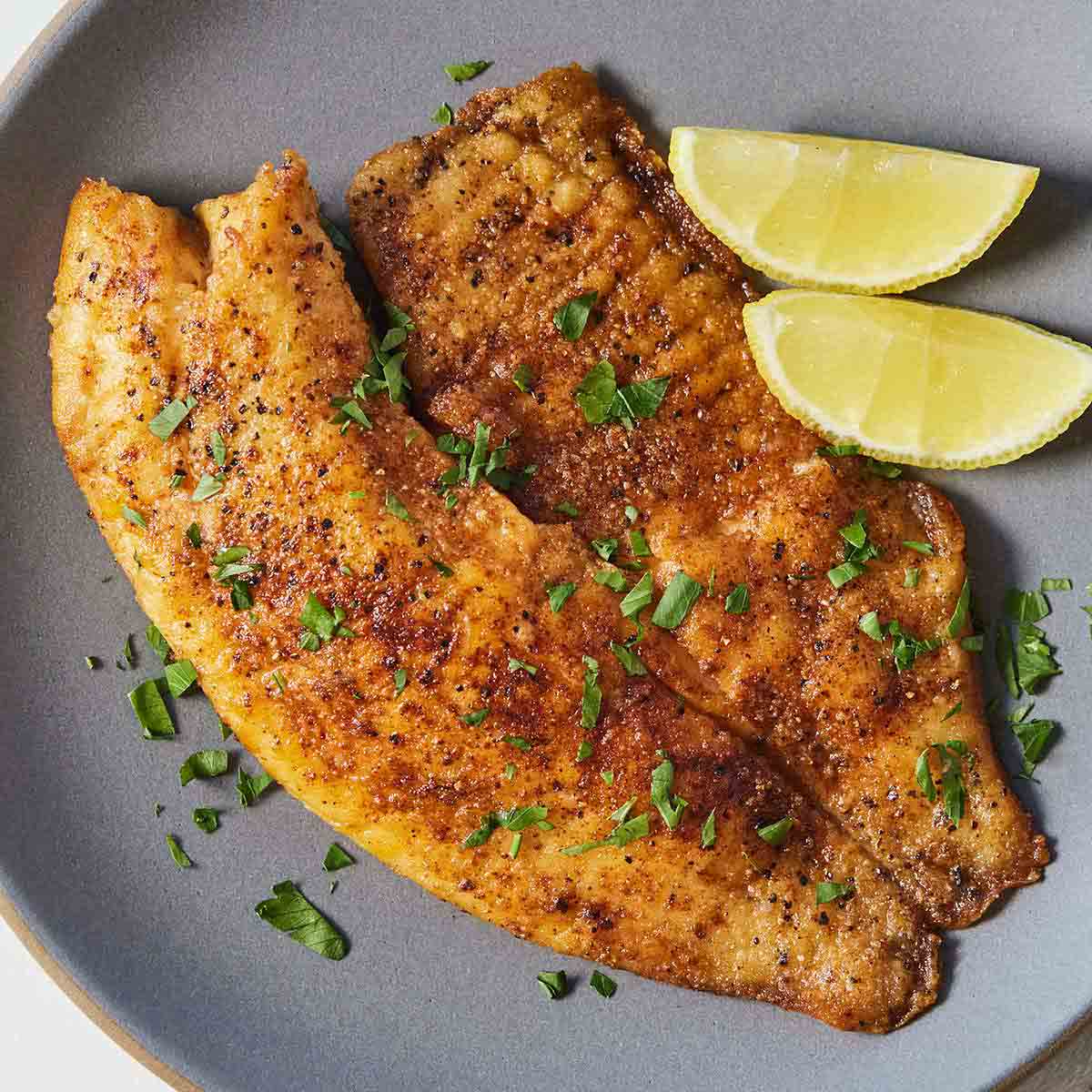
Pour flour into a shallow bowl or plate. Dredge each fillet lightly in the flour, coating both sides. Shake off excess flour—too much will make the crust gummy instead of crisp. The flour forms a thin, golden crust when fried.
Credit: cookingwithcoit.com
Choosing The Right Oil And Pan
Tilapia cooks best at a medium-high temperature. The oil you choose should have a high smoke point and a neutral flavor.
- Canola or vegetable oil: Both are affordable and neutral-tasting.
- Light olive oil: Adds a little flavor but won’t burn as quickly as extra-virgin.
- Butter: Adds flavor but burns fast, so mix with oil or add at the end.
A nonstick skillet makes flipping easier and reduces sticking, but a well-seasoned stainless steel pan works too. Cast iron holds heat well but can be heavy for delicate fillets.
Step-by-step Guide To Pan Fry Tilapia
Here’s the heart of the process. Don’t rush—attention to detail is what separates soggy fish from restaurant-quality results.
Step 1: Heat The Pan
Place your skillet on medium-high heat and let it get hot for about 2 minutes. Add the oil and swirl to coat the pan. You’ll know it’s ready when the oil shimmers but isn’t smoking.
Step 2: Add The Fillets
Carefully lay each tilapia fillet into the pan, starting with the side that will be presented (usually the smooth, rounded side). Lower them away from you to avoid splashes.
Step 3: Don’t Move The Fish
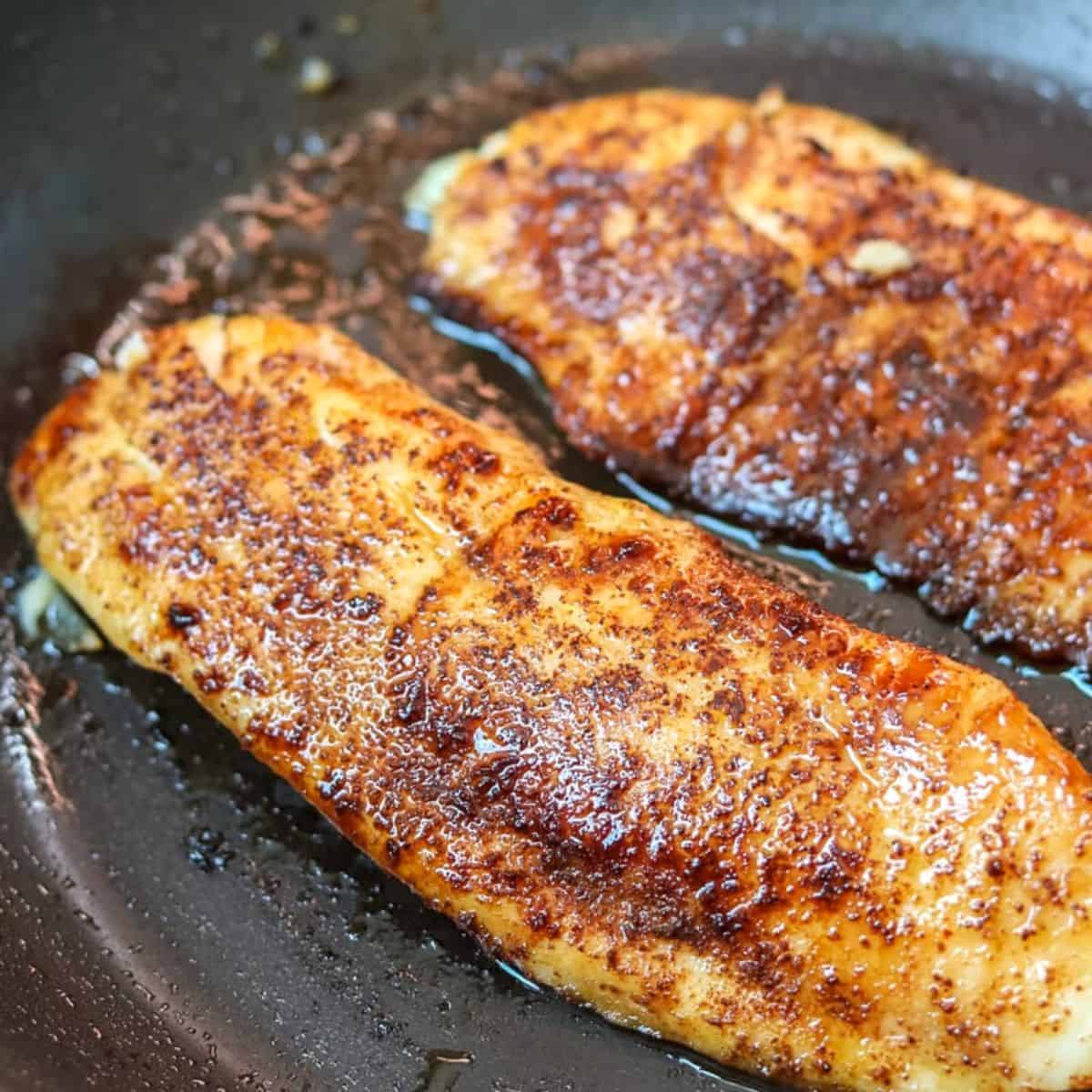
Let the fillets cook undisturbed for 2–3 minutes. Moving them too soon breaks the crust. When the edges turn golden brown and release from the pan, it’s time to flip.
Step 4: Flip And Finish
Use a thin spatula to gently flip each fillet. Cook for another 2–3 minutes until the other side is golden and the fish flakes easily with a fork. If adding butter for extra flavor, add it now and spoon it over the fish.
Step 5: Drain And Rest
Transfer the cooked fillets to a plate lined with paper towels for 1 minute to absorb excess oil. Resting helps the crust stay crispy.
Cooking Time And Doneness
On average, tilapia fillets take 4–6 minutes total to cook, depending on thickness. The fish should be opaque and flake easily. If using a thermometer, aim for an internal temperature of 145°F (63°C).
Common Mistakes To Avoid
- Overcrowding the pan: Fry in batches if needed. Too many fillets at once drop the oil temperature, leading to soggy fish.
- Skipping the drying step: Water causes oil to splatter and prevents crisping.
- Overcooking: Tilapia dries out fast. Remove from heat as soon as it flakes.
Flavor Variations And Seasonings
Tilapia’s mild taste is a canvas for many seasonings. Try these easy upgrades:
- Cajun: Dust with Cajun spice for a Southern kick.
- Herb crusted: Mix chopped parsley or dill into the flour.
- Parmesan crust: Combine flour and grated Parmesan for a cheesy crunch.
- Asian style: Add a little soy sauce and ginger to the seasoning.
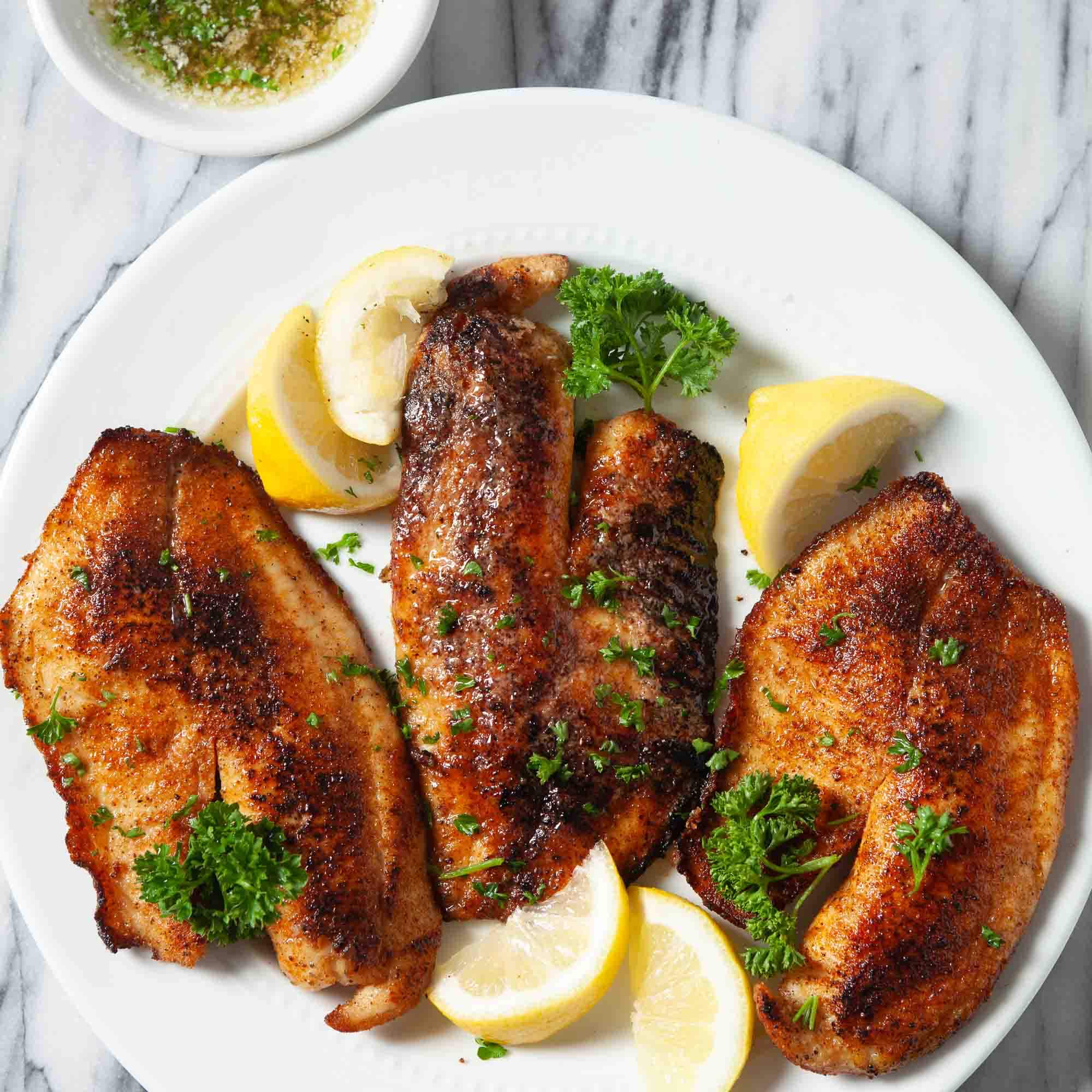
For a zesty finish, squeeze fresh lemon juice over the cooked fillets right before serving.
Serving Suggestions
Pan-fried tilapia is versatile. Pair it with sides to make a balanced meal or use it in other dishes for variety.
- With rice and vegetables: Serve over white or brown rice with steamed broccoli or green beans.
- In tacos: Flake the fish and serve with cabbage slaw and salsa in corn tortillas.
- With salads: Top a green salad with warm fillet pieces and a vinaigrette.
- With potatoes: Pair with roasted or mashed potatoes for a classic dinner.
Sample Tilapia Meal Combinations
| Main | Side 1 | Side 2 | Flavor Option |
|---|---|---|---|
| Pan-fried tilapia | Steamed jasmine rice | Roasted asparagus | Lemon butter |
| Pan-fried tilapia | Caesar salad | Garlic bread | Herb seasoning |
| Pan-fried tilapia | Coleslaw | French fries | Cajun spice |
Health And Nutrition Facts
Tilapia is a healthy choice for many diets. It’s low in calories and fat, high in protein, and contains important nutrients like vitamin B12, selenium, and phosphorus.
Nutritional Profile (per 4 Oz/113g Cooked Tilapia)
| Calories | Protein | Fat | Carbohydrates | Vitamin B12 | Selenium |
|---|---|---|---|---|---|
| 110 | 23g | 2g | 0g | 15% DV | 78% DV |
Non-obvious insight: Tilapia is one of the few fish with almost no mercury, making it safe for children and pregnant women when eaten in moderation.
Cleaning Up After Pan Frying
Pan frying can leave oil splatters and stuck bits. Here’s how to make cleanup easier:
- Let the pan cool slightly before cleaning.
- For nonstick pans, use a soft sponge with warm soapy water—never metal scrubbers.
- For stainless steel, pour a little hot water and scrape gently with a spatula to release stuck bits before washing.
- Dispose of used oil in a sealed container—never pour down the drain.
If your kitchen smells fishy, simmer a pot of water with lemon peels and vinegar for 15 minutes. This neutralizes odors quickly.
Credit: amindfullmom.com
Storing And Reheating Leftover Tilapia
If you have leftovers, store them safely to keep the texture and flavor.
- Storage: Place cooled fillets in an airtight container with paper towels between layers. Store in the refrigerator for up to 2 days.
- Reheating: For best results, reheat in a skillet over medium heat with a few drops of oil. Avoid microwaving, which makes the fish rubbery.
Pro tip: Leftover tilapia is great cold in salads or sandwiches for a quick meal.
Pan Frying Tilapia: Advanced Tips
Once you’ve mastered the basics, a few expert touches can elevate your pan-fried tilapia:
- Use clarified butter (ghee): It has a higher smoke point and adds rich, buttery flavor.
- Double dredge for extra crunch: Dip fillets in egg, then flour for a thicker crust.
- Deglaze the pan: After removing the fish, add a splash of white wine or lemon juice to the pan. Scrape up the browned bits and pour over the fish for a simple pan sauce.
- Test oil temperature: Drop a small piece of bread into the oil—if it sizzles and browns in 60 seconds, the pan is ready.
Sustainable And Safe Tilapia Choices
With increased tilapia farming, it’s important to pick fish from responsible sources. Look for certifications like Best Aquaculture Practices (BAP) or Aquaculture Stewardship Council (ASC). These ensure the fish was raised with care for the environment and food safety.
Tilapia from the US, Canada, or Ecuador is usually a good choice. Avoid fish from unregulated farms, as poor conditions can affect taste and safety. For more on sustainable seafood, visit the Monterey Bay Aquarium Seafood Watch.
Frequently Asked Questions
What Is The Best Oil For Pan Frying Tilapia?
The best oils are canola, vegetable, or light olive oil because they have high smoke points and don’t overpower the fish’s flavor. Avoid butter alone—it burns at the temperatures needed for crisping.
How Do You Keep Tilapia From Sticking To The Pan?
Start with a hot, well-oiled pan. Pat the fish very dry, dredge in flour, and don’t move the fillets until they naturally release after 2–3 minutes. A nonstick skillet or well-seasoned pan helps, too.
Can You Pan Fry Tilapia Without Flour?
Yes, but the crust will be less crispy. For a gluten-free option, use cornstarch or rice flour. Cooking without any coating works, but the fish may stick and won’t brown as nicely.
How Do You Know When Tilapia Is Done?
Tilapia is done when it’s opaque and flakes easily with a fork. The internal temperature should reach 145°F (63°C). Overcooking makes it dry, so remove from heat as soon as it’s cooked through.
Is Pan-fried Tilapia Healthy?
Yes. Pan-fried tilapia is low in calories and fat, and high in protein. Use minimal oil and pair with vegetables for a balanced meal. Tilapia is also low in mercury, making it a safe seafood option.
Pan frying tilapia is an easy skill with big rewards—crispy outside, tender inside, and ready in minutes. With the right preparation, simple seasoning, and attention to detail, even beginners can make this dish taste restaurant-quality. Try different seasonings, pairings, and sauces to keep it exciting.
With these tips, you’ll never settle for bland or soggy fish again. Happy cooking!
Credit: www.chewoutloud.com

Hello, This is Annie Walker, a 38-year-old blogger, founder, and editor of Cookware Guider from NY, USA. I am a cookware fanatic and passionate cooker. I love to cook with different types of cooking appliances (example: all types of cookware, rice cookers, slow cookers, etc) almost every day in my kitchen. I love to share my experience with my readers in my blog. Also, I enjoy helping people to solve their problems through my website. You can follow me on Twitter & Pinterest. To know details about my blog please check the about us page.