
Many people love cooking at home, but few realize how much difference a sharp knife makes. A dull blade can make slicing meat or vegetables slow and even dangerous. That’s why keeping your knives sharp is so important. Among the many tools for sharpening, the rolling knife sharpener stands out for its ease of use and effectiveness. If you’ve ever struggled with traditional sharpening stones or been disappointed by electric sharpeners, learning how to use a rolling knife sharpener could be a game-changer in your kitchen.
A rolling knife sharpener is not just for professional chefs. It’s designed for anyone who wants to keep their kitchen knives performing well with minimal effort. This article explains everything you need to know, from what a rolling sharpener is, to detailed steps for using one, to troubleshooting common problems.
By the end, you’ll have the confidence to sharpen your knives quickly and safely, and your cooking will feel smoother and more enjoyable.
What Is A Rolling Knife Sharpener?
A rolling knife sharpener is a handheld tool designed to restore a sharp edge to your knife blade. It usually consists of a handle with one or more cylindrical sharpening wheels made from materials like ceramic, diamond, or tungsten carbide. The wheels spin or roll as you move the knife against them, making the sharpening process fast and consistent.
Unlike traditional whetstones, which require skill and practice, rolling sharpeners guide your knife at the correct angle, reducing the risk of mistakes. They are compact, easy to store, and suitable for most kitchen knives, including chef’s knives, paring knives, and santoku blades.
Key Features Of Rolling Knife Sharpeners
- Consistent sharpening angle: Guides built into the sharpener keep your knife at the ideal angle.
- Multiple sharpening stages: Many models have coarse and fine wheels for different levels of sharpening.
- Portable and easy to clean: Most are lightweight and can be rinsed or wiped after use.
Types Of Rolling Knife Sharpeners
Rolling knife sharpeners come in several designs. The most common are:
- Single-wheel sharpeners: Simple and quick for basic maintenance.
- Multi-stage sharpeners: Offer both coarse and fine sharpening in one tool.
- Adjustable angle sharpeners: Let you set the sharpening angle to match your knife.
Here’s a comparison of the main types:
| Type | Sharpening Stages | Suitable For | Ease of Use |
|---|---|---|---|
| Single-wheel | 1 | Everyday kitchen knives | Very easy |
| Multi-stage | 2 or more | Dull or damaged knives | Easy |
| Adjustable angle | 1-2 | High-end or specialty knives | Moderate |
Why Use A Rolling Knife Sharpener?
A sharp knife improves cooking in many ways. It makes cutting safer, more precise, and less tiring. But why choose a rolling sharpener over other methods?
Advantages
- Speed: Sharpening takes just a few minutes.
- Simplicity: No special skills needed.
- Safety: Reduced risk of slipping compared to manual stones.
- Versatility: Works on most kitchen knives.
Limitations
- Not for serrated blades: Most rolling sharpeners cannot handle bread knives or serrated steak knives.
- Limited for specialty knives: Japanese knives with very thin blades may require a specific angle not available in all sharpeners.
Real-world Example
A 2026 survey by the International Housewares Association found that more than 60% of home cooks struggle to keep their knives sharp. Of those who switched to rolling sharpeners, over 70% reported better results than with pull-through or electric sharpeners.
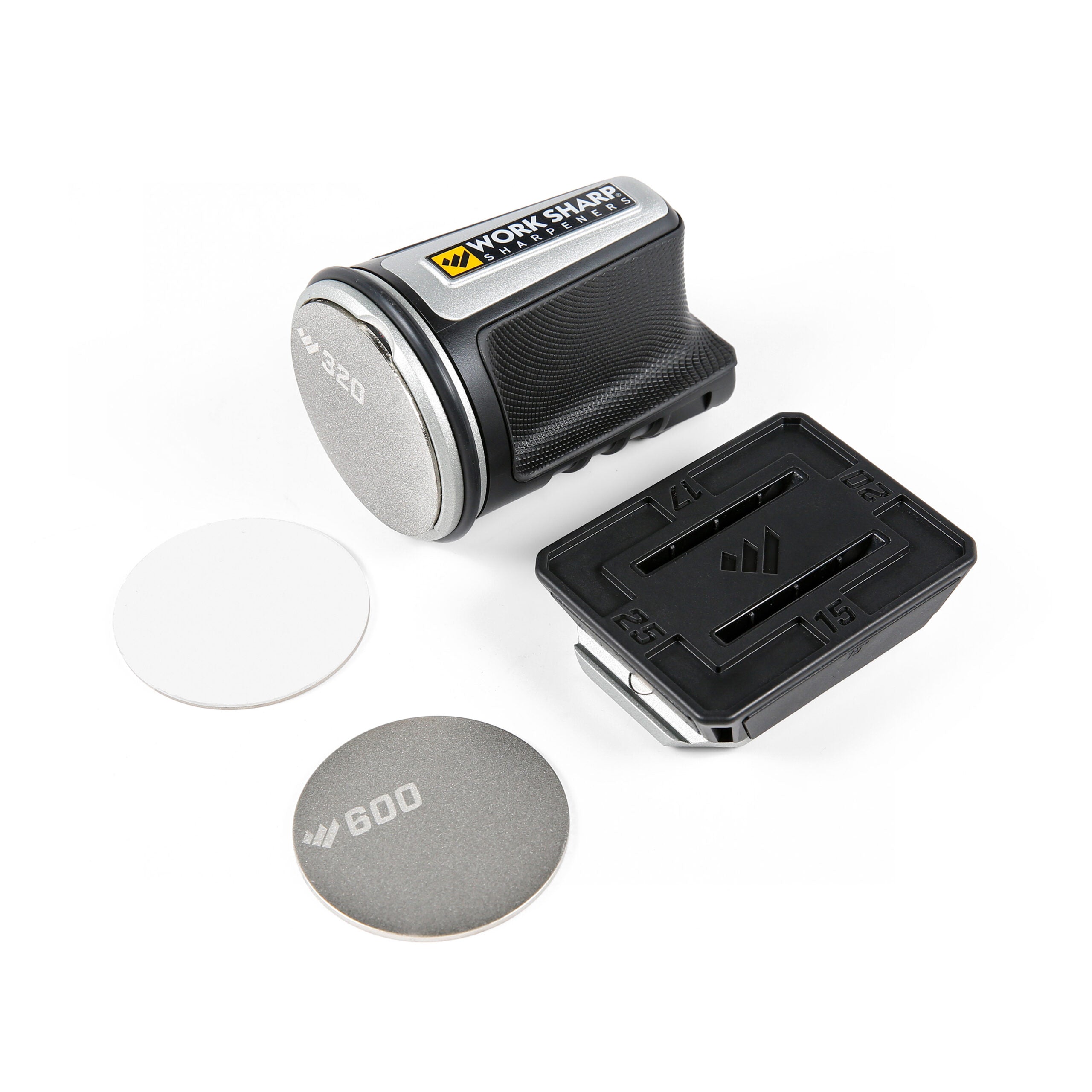
Credit: worksharptools.com
Essential Preparation Before Sharpening
Before you begin, some preparation ensures the process is smooth and safe.
Check Your Knife
- Blade condition: Look for chips, nicks, or rust. Severely damaged knives may need professional repair.
- Cleanliness: Wash and dry the knife to remove food residue.
Prepare Your Workspace
- Use a stable, non-slip surface like a cutting board.
- Make sure your hands and the sharpener are dry.
- Good lighting helps you see what you’re doing.
Inspect The Sharpener
- Ensure the wheels are clean and spin freely.
- If your sharpener has removable wheels, check they are securely attached.
Step-by-step Guide: How To Use A Rolling Knife Sharpener
Now, let’s get hands-on. Here’s a practical, clear guide for using a rolling knife sharpener.
1. Choose The Right Sharpening Slot
Most rolling sharpeners have two slots:
- Coarse slot: For dull or damaged knives. Contains harder, rougher wheels (usually diamond or carbide).
- Fine slot: For regular maintenance or to polish the edge. Contains smoother wheels (usually ceramic).
If your knife is very dull, start with the coarse slot. If it just needs a touch-up, use the fine slot.
2. Position The Sharpener
- Place the sharpener on a flat, stable surface.
- Hold the handle firmly with your non-dominant hand.
- Make sure the wheels are facing you and the slots are easily reachable.
3. Align The Knife
- Insert the heel (base) of the knife blade into the slot, touching the wheel.
- Keep the blade vertical and centered in the slot.
- The built-in guides will set the correct angle (usually 15–20 degrees).
4. Sharpen The Blade
- Apply gentle pressure (about the weight of the knife).
- Draw the blade slowly from heel to tip through the slot, letting the wheels roll and do the work.
- Repeat this motion 3–6 times, depending on the dullness of the blade.
5. Finish With The Fine Slot
- Move to the fine slot (if your sharpener has one).
- Repeat the same motion 2–4 times to polish the edge.
6. Clean The Knife
- Wipe the blade with a damp cloth to remove any metal filings.
- Wash and dry the knife before using it for food.
7. Clean The Sharpener
- Remove any metal shavings from the wheels.
- Wipe the exterior with a damp cloth.
- Some models allow you to rinse the wheels under water (check the manual).
Tips For Best Results
- Don’t force the blade: Let the sharpener do the work. Excess pressure can damage both knife and sharpener.
- Sharpen regularly: Once every few weeks keeps your knife in top shape. Don’t wait until it’s very dull.
- Use the correct angle: While rolling sharpeners guide the angle, rushing can cause mistakes.
- Dry everything: Moisture can rust the knife or the sharpener wheels.
Common Mistakes And How To Avoid Them
Even with a rolling sharpener, some errors can reduce results or damage your knife. Here are mistakes to watch for:
- Using too much pressure: This can strip away too much metal, shortening the knife’s life.
- Sharpening dirty blades: Grit and food can scratch the blade or clog the wheels.
- Skipping the fine slot: Without this, your knife may not get a smooth, polished edge.
- Sharpening serrated knives: Most rolling sharpeners aren’t designed for these blades.
- Not cleaning the sharpener: Metal filings can build up and reduce effectiveness.
How To Test Knife Sharpness After Sharpening
After sharpening, it’s smart to check your work. Here are a few easy tests:
Paper Test
Hold a sheet of printer paper by the top. Try slicing down through the paper with your knife. A sharp knife will cut cleanly without tearing.
Tomato Test
Try slicing a tomato. A sharp knife should cut through the skin smoothly, with little pressure.
Hair Test
If you feel adventurous, try gently shaving a tiny bit of hair from your arm. Only a very sharp knife can do this, so be careful.
How Rolling Sharpeners Compare To Other Methods
You might wonder how a rolling knife sharpener stacks up against other sharpening tools. Here’s a quick overview:
| Method | Skill Level | Time Needed | Edge Quality | Maintenance |
|---|---|---|---|---|
| Rolling Sharpener | Beginner | 2-5 min | Very good | Low |
| Whetstone | Advanced | 10-20 min | Excellent | Medium |
| Electric Sharpener | Beginner | 1-3 min | Good | Low |
| Pull-through Sharpener | Beginner | 2-5 min | Fair | Low |
Insight: While whetstones give the sharpest edge, they take much more skill and time. For most home cooks, a rolling sharpener offers the best balance of ease and results.
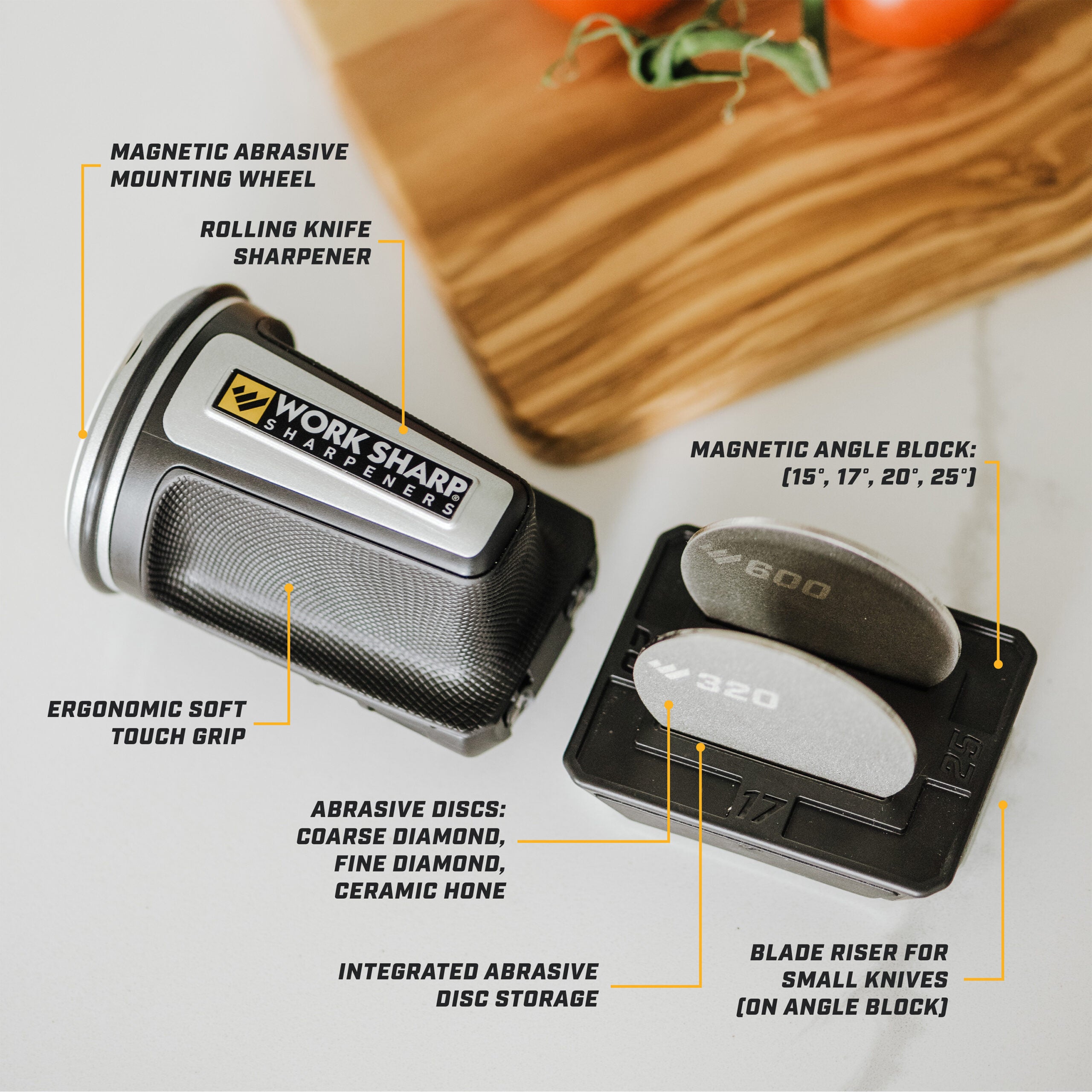
Credit: worksharptools.com
Maintenance And Care For Your Rolling Knife Sharpener
A well-cared-for sharpener will last for years. Here’s how to keep yours working smoothly:
Regular Cleaning
- Wipe after each use with a damp cloth.
- Remove metal shavings from the wheels.
- If possible, rinse the wheels and let them dry completely.
Storage
- Store in a dry place to avoid rust.
- Keep away from children.
Wheel Replacement
- Some models allow you to replace the sharpening wheels when they wear out.
- Check your manual for instructions and recommended replacement intervals.
Lubrication
- Most rolling sharpeners do not require oil or lubricant.
- Avoid using oil unless the manufacturer specifically recommends it.
Choosing The Right Rolling Knife Sharpener
Not all rolling sharpeners are created equal. Here’s what to consider when buying one:
1. Wheel Material
- Diamond wheels: Fast sharpening, long-lasting, suitable for very dull knives.
- Ceramic wheels: Fine polishing, gentle on the blade.
2. Number Of Stages
- Single-stage: Good for quick touch-ups.
- Multi-stage: Better for repairing dull or damaged knives.
3. Adjustable Angle
- Some sharpeners let you set the angle (e.g., 15°, 20°). This is important if you own both Western and Japanese knives.
4. Handle Design
- Look for a comfortable, non-slip handle for safety.
5. Size And Portability
- If you have limited space, choose a compact model.
Here’s a quick table to compare popular features:
| Feature | Why It Matters |
|---|---|
| Wheel material | Diamond for speed, ceramic for polish |
| Adjustable angle | Works with more knife types |
| Multi-stage | Restores and polishes |
| Removable wheels | Easy cleaning and replacement |
Non-obvious insight: Many beginners forget to check if replacement wheels are available for their sharpener. If you plan to use it often, this feature will save money in the long run.
Safety Tips When Using A Rolling Knife Sharpener
Even though rolling sharpeners are safer than stones, knives are still dangerous. Keep these safety tips in mind:
- Always move the blade away from your body during sharpening.
- Keep your fingers clear of the sharpening slot.
- Don’t rush: Take your time to avoid slips.
- Use on a stable surface to prevent accidents.
Troubleshooting Common Problems
Sometimes things don’t go as planned. Here’s how to solve common issues:
The Knife Isn’t Getting Sharp
- Try more passes through the coarse slot.
- Make sure you’re applying steady, even pressure.
- Check if the wheels are worn out and need replacing.
Uneven Blade Edge
- Make sure you’re keeping the blade vertical in the slot.
- Sharpen both sides of the blade evenly.
Metal Shavings Building Up
- Clean the wheels more often.
- Don’t sharpen dirty blades.
Knife Pulls To One Side
- This usually means you’re pressing harder on one side. Lighten your grip and let the guides do the work.
Non-obvious insight: If your knife still isn’t sharp, the blade may be too damaged for a home sharpener. Chips or bends often require professional help.
How Often Should You Sharpen Your Knives?
There’s no one-size-fits-all answer, but here are some guidelines:
- Home cooks: Every 2–4 weeks, depending on use.
- Professional chefs: Weekly or even daily.
- High-carbon knives: May need more frequent sharpening than stainless steel.
Pro tip: Use a honing rod between sharpening sessions to keep the edge aligned. Honing does not sharpen the blade but helps maintain its sharpness.
Environmental And Cost Benefits Of Using A Rolling Knife Sharpener
Sharpening your knives at home reduces waste and saves money. Here’s how:
- Longer knife life: Proper sharpening prevents the need to replace knives often.
- Less waste: No need to throw away dull knives.
- No electricity required: Rolling sharpeners are manual, so you save energy.
A quality rolling sharpener costs between $30 and $80. Professional sharpening services may charge $5–$10 per knife, which adds up quickly if you cook often.
When To Seek Professional Sharpening
While rolling knife sharpeners work for regular maintenance, there are times when you should get help:
- Severely chipped or bent blades: Professionals can reshape the edge.
- Specialty knives: High-end Japanese or custom knives may need specific angles or stones.
- Damaged handles or loose blades: Safety should always come first.
Professional sharpening services use advanced tools and can restore even badly damaged knives. For most home cooks, though, a rolling sharpener covers 95% of needs.
For an in-depth look at knife sharpening techniques, the Wikipedia page on sharpening is a valuable resource.
Frequently Asked Questions
How Long Does It Take To Sharpen A Knife With A Rolling Sharpener?
Usually, sharpening takes 2 to 5 minutes per knife, depending on how dull it is and whether you use both the coarse and fine slots. For quick maintenance, a single pass through the fine slot may be enough.
Can I Use A Rolling Knife Sharpener On All Types Of Knives?
Rolling sharpeners work well for most kitchen knives—including chef’s knives, santoku, and paring knives. However, they are not suitable for serrated blades (like bread knives) or scissors. For specialty knives, check if your sharpener allows you to adjust the sharpening angle.
How Do I Know When To Replace The Sharpening Wheels?
If you notice that sharpening takes longer, the edge isn’t as sharp, or the wheels look visibly worn, it’s time to replace the sharpening wheels. Many sharpeners have replaceable wheels; check your model’s manual for guidance.
Is It Safe To Let Children Use A Rolling Knife Sharpener?
It’s best to keep children away from all knife sharpeners. While rolling sharpeners are safer than stones, knives are still sharp and dangerous tools. Only allow supervised, responsible use by older teens.
Why Is My Knife Still Dull After Sharpening?
If your knife remains dull:
- You may need more passes through the coarse slot.
- The blade could be too damaged for a home sharpener.
- The sharpening wheels might be worn out.
- The knife may need professional repair if there are chips or bends in the blade.
Sharpening your kitchen knives with a rolling knife sharpener is one of the easiest ways to improve your cooking experience. It saves time, boosts safety, and helps your knives last longer. With the right technique and a little practice, you’ll enjoy the feel of a razor-sharp blade every time you cook.
Whether you’re an experienced home cook or just starting out, mastering this simple tool will make your kitchen life smoother and more satisfying.
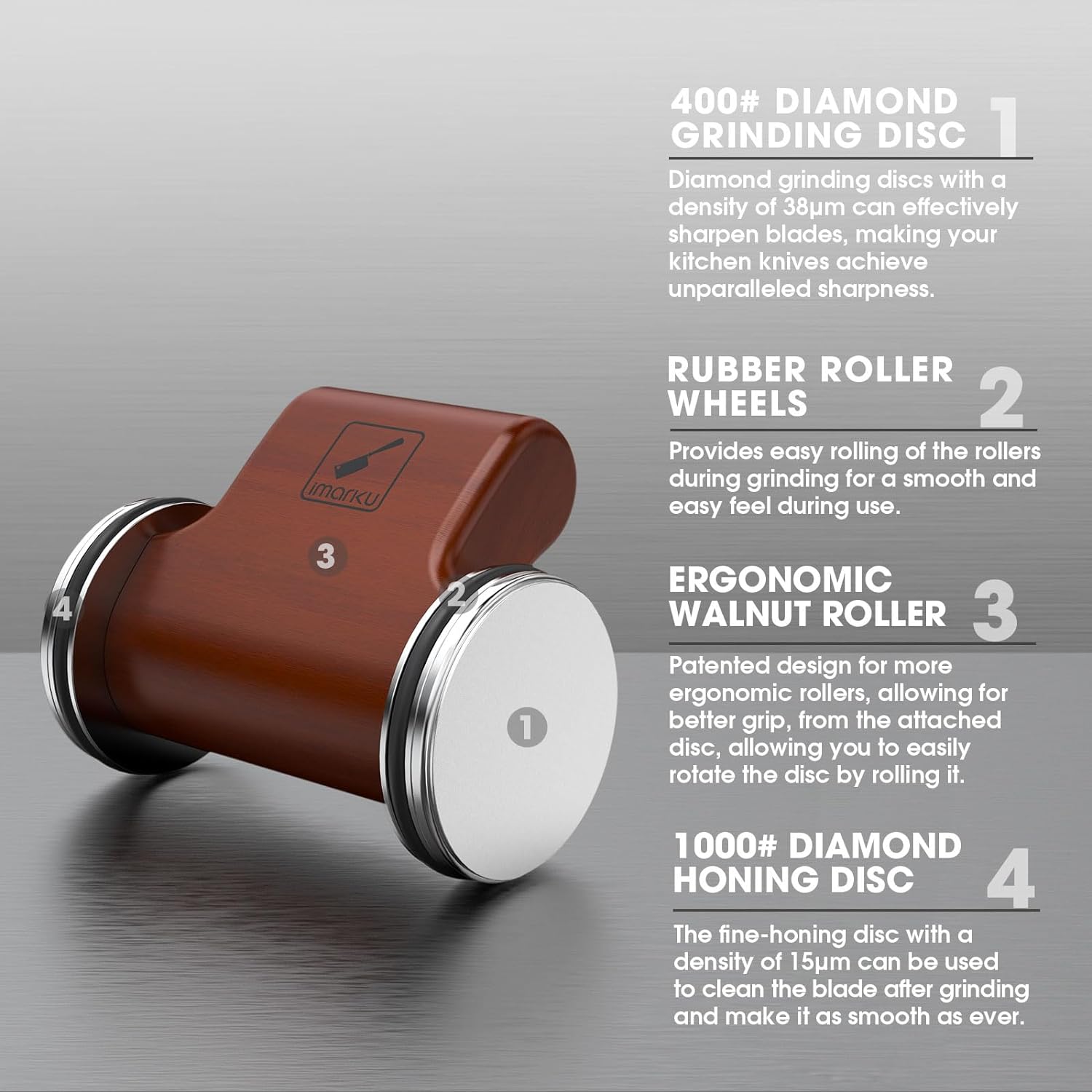
Credit: imarku.net

Hello, This is Annie Walker, a 38-year-old blogger, founder, and editor of Cookware Guider from NY, USA. I am a cookware fanatic and passionate cooker. I love to cook with different types of cooking appliances (example: all types of cookware, rice cookers, slow cookers, etc) almost every day in my kitchen. I love to share my experience with my readers in my blog. Also, I enjoy helping people to solve their problems through my website. You can follow me on Twitter & Pinterest. To know details about my blog please check the about us page.